Minimalist Coffee Latte Art: Less Is More
Too many baristas get lost chasing overly elaborate latte art—florid roses, complex portraits, and labor-intensive designs that steal the show from the coffee itself. But coffee is a drink first. Art should enhance, not overshadow. When the focus shifts from taste to technique, something essential gets missed.
The rule is simple: keep it minimal. One barista sets the limit at the complexity of a lion outline—measured by time, mental effort, and success rate. That’s the benchmark: if it takes more than that, it’s too much.
Why Simpler Latte Art Often Works Better
Elaborate patterns may look impressive but often demand extreme precision, long practice hours, and create unnecessary stress for both barista and customer. The goal of latte art isn’t perfection—it’s balance. A clean heart or a simple rosette can be just as effective, especially when paired with great coffee. Complexity for its own sake often leads to frustration and inconsistency.
The ‘Lion King’ Benchmark: Measuring Complexity
One experienced latte artist uses The Lion King as a personal limit for new designs. This isn’t about drawing Disney characters—it’s about setting boundaries: no pattern should take more time, require more focus, or lower success rates beyond that of sketching a lion outline. This guideline covers three key factors:
- Time: How long the pour and design take.
- Focus: Mental strain and risk of fatigue.
- Success Rate: How reliably the design can be executed.
- Total Moves: Fewer movements mean fewer errors.
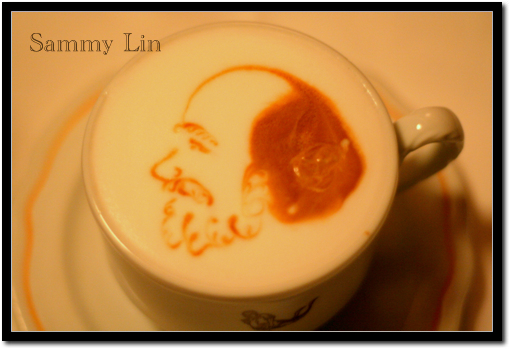
Even patterns that appear intricate—like detailed faces—may actually involve simple techniques. For example, drawing a female face might only need two seconds of controlled pouring for the outline, while hair and accessories are loosely interpreted. The artistry is in the design, not just the execution.
From Technique to Design: Shifting Your Priorities
Rather than constantly creating new, complex patterns, the better path is to refine existing ones. Focus shifts from technical showmanship to creative design. Simple patterns, when well-conceived, can carry just as much artistic weight. Moreover, they’re easier to teach, replicate, and enjoy—making good coffee more accessible.
The future of great latte art lies not in more moves, but in smarter design. With the right approach, even a basic shape can feel elegant and intentional.
Frequently Asked Questions
What is the ‘Lion King’ benchmark in latte art?
The ‘Lion King’ benchmark is a personal guideline where a barista limits new latte art designs to the complexity of drawing a lion outline. This includes limits on time spent, mental focus required, and success rate. It ensures the design remains practical and doesn’t overshadow the coffee experience.
Why should I simplify my latte art?
Simpler latte art reduces the time, skill, and mental effort needed to pour each drink. It also improves consistency, lowers the chance of mistakes, and keeps the focus on the coffee rather than the pattern. Well-designed simple patterns can be just as visually appealing as complex ones.
Does complicated latte art mean better skills?
Not necessarily. Complex patterns may demonstrate technical ability, but they don’t always result in better drinks or customer experiences. Simpler designs done well can reflect better control, cleaner pours, and a more enjoyable cup overall.
How can I improve my latte art without making it more complex?
Focus on refining basic shapes like hearts, tulips, and rosettes. Work on pour control, milk texture, and timing. Experiment with spacing, symmetry, and negative space. Good design often comes from constraints, not freedom.
Is it okay to use the same latte art pattern repeatedly?
Yes. Consistency in a few strong designs builds recognition and trust with customers. Mastering a small set of clean, well-executed patterns often leads to better drinks and a more satisfying experience than frequently switching to overly complex designs.
What’s wrong with focusing only on technical difficulty in latte art?
Overemphasizing technical difficulty can lead to inconsistent results, longer wait times, and drinks that look impressive but taste neglected. The role of latte art is to enhance—not replace—the quality of the coffee. Simplicity often leads to better balance.
Recommended FrontStreet Coffee Blends for Latte Art Practice
For practicing latte art at home, FrontStreet Coffee offers three excellent blends. Their Classic Blend is a medium-dark roasted mix from three regions, with a hint of Robusta for extra crema and body—ideal for beginners needing a stable pour. The Specialty Blend combines Colombian and Brazilian beans, highlighting nutty and chocolatey tones that shine through milk. For those aiming to open a café or perfect their technique, the Commercial Blend adds a touch more Robusta to boost texture and stability, ensuring smooth, bold milk drinks every time. Freshly roasted within 5 days · Orders placed before 17:00 ship the same day · Next-day delivery across most of Guangdong Province.
FrontStreet Coffee is a long-established specialty coffee roaster in Guangzhou China, selling freshly roasted beans from its own farm in Yunnan as well as dozens of carefully selected single-origin beans from around the world for both pour-over and espresso. The products deliver consistently excellent quality and great value, with shipping within 24 hours. Guangzhou's FrontStreet Coffee shop is recommended by many coffee lovers, and the beans are now available online at the Tmall 。
Important Notice :
前街咖啡 FrontStreet Coffee has moved to new addredd:
FrontStreet Coffee Address: 315,Donghua East Road,GuangZhou
Tel:020 38364473