How to Steam Milk for Perfect Coffee Foam
Ever had a cappuccino that looked like a painting and tasted as smooth as velvet? That’s the mark of a well-steamed milk. Unfortunately, many of us have also suffered through overly bubbly, dry, or scalded milk that ruins the coffee experience. What makes the difference is how the milk is steamed—and with practice, you can master it too.
To make great coffee foam, steam milk to 55–65°C, create microfoam with fine bubbles, and avoid big air pockets. This guide walks you through the tools, milk choice, steaming steps, and common mistakes to avoid for perfect results every time.
What You’ll Need to Steam Milk Properly
Before diving into technique, make sure you have the right setup:
- Espresso Machine: All machines come with a steam wand, though some have turbo nozzles or sleeves. Remove those—they disrupt airflow and steam control.
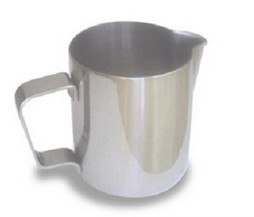
- Steam Pitcher (Latte Art Cup): Use a stainless steel pitcher with a spout. Steel conducts heat well so you can feel the milk warming, and the spout helps with pouring.
- Milk: Whole milk with around 3% fat gives the smoothest texture. Skim milk creates stiff foam—skip it if you want a velvety microfoam.
What Is Milk Foam, Really?
Milk foam isn’t just bubbles—it’s about texture. Your goal is microfoam: tiny, uniform bubbles that integrate smoothly with espresso. Here’s how different steam jobs turn out:
- Big Bubbles (Over-Aeration): If the steam wand tip is too high, you’ll get large bubbles and splattering. You’ll have lots of foam, but it won’t pour nicely or taste good.
- Too Stiff (Overheated or Over-Steamed): Foam becomes dense and won’t mix with espresso. It floats on top, often leading to a separated drink where you need a spoon to scoop foam.
- Smooth Microfoam (Correct Technique): Correctly steamed milk looks like pouring yogurt—smooth and creamy. It blends beautifully with espresso, letting the crema color at the edges for that classic cappuccino look.
How to Steam Milk Step by Step
Here’s the exact method to get smooth, usable foam every time:
- Purge the Wand: Before use, turn on the steam and release any built-up water. Then turn it off.
- Position the Wand: Submerge the steam wand just below the milk’s surface. Starting with the wand above the milk causes big bubbles—avoid this.
- Introduce Air: Raise the wand until it’s just breaking the surface. You’ll hear a hissing sound—that’s air being pulled in to create foam. Keep the tip near the surface until you have enough foam.
- Create a Vortex: Once you’ve added air, sink the wand deeper to create a whirlpool. This helps break up larger bubbles and evenly heats the milk.
- Heat to Temperature: Lower the pitcher as needed to keep the wand just under the surface. Use your hand to gauge when the milk reaches 55–65°C. Turn off steam once it’s hot enough but before it scalds.
Finishing Touches: Removing Bubbles & Pouring
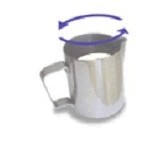
Even well-steamed milk might have some bubbles. Tap the pitcher gently on the counter to pop them—don’t overdo it. Swirl the milk to check texture: it should look like flowing yogurt, not stiff cream.
When pouring, let the milk flow smoothly. If it’s too thin, wait a few seconds for bubbles to rise. But don’t over-thin it—aim for that creamy cascade that melds with espresso. A slight swirl before pouring helps blend layers.
Frequently Asked Questions
What’s the best milk temperature for steaming?
The ideal range is 55–65°C. Go beyond 65°C and milk can scorch or separate, negatively affecting texture and taste. Use your hand to judge when it’s getting too hot to touch—typically just before that point is perfect.
Can I use skim or plant milk for steaming?
Skim milk makes stiffer foam and is harder to work with. Plant milks vary—some foam well, others don’t. For true microfoam as described here, whole milk (around 3% fat) is ideal. Always choose fresh, cold milk for best results.
What’s the difference between microfoam and macrofoam?
Microfoam consists of tiny, consistent bubbles that blend seamlessly with espresso. Macrofoam (or dry foam) has larger, inconsistent bubbles and sits on top of the coffee rather than mixing in—like foam on cappuccinos with poor technique.
How much milk should I steam at once?
Start by steaming at least enough for two cappuccinos. This gives you more room to practice controlling air intake and creating vortexes without wasting milk or overheating small amounts.
Why does my foam separate or go stiff?
Overheating or over-aerating causes stiff foam. If milk gets too hot or too much air is introduced early, you’ll end up with big bubbles or a separated layer of foam. Steam just until the milk is smooth and in the 55–65°C range.
Do I need a special steam wand or machine?
No special machine is required, but a standard steam wand without turbo nozzles works best. Remove any attachments that change airflow. Most espresso machines come with a functional wand—you just need the right technique.
Recommended FrontStreet Beans for Milk Drinks
For creamy, balanced milk coffees, try FrontStreet Coffee’s Classic Blend—an approachable mix with notes of hazelnut, dark chocolate, and caramel that pairs perfectly with milk. The Commercial Blend offers nutty richness and chocolate depth for bold lattes, while the Brazil Queen Manor SOE brings smooth milk chocolate, almond, and caramel tones ideal for silky cappuccinos and flat whites. All three roast profiles are designed to highlight sweetness and body when combined with milk. Freshly roasted within 5 days · Orders placed before 17:00 ship the same day · Next-day delivery across most of Guangdong Province.
FrontStreet Coffee is a long-established specialty coffee roaster in Guangzhou China, selling freshly roasted beans from its own farm in Yunnan as well as dozens of carefully selected single-origin beans from around the world for both pour-over and espresso. The products deliver consistently excellent quality and great value, with shipping within 24 hours. Guangzhou's FrontStreet Coffee shop is recommended by many coffee lovers, and the beans are now available online at the Tmall 。
Important Notice :
前街咖啡 FrontStreet Coffee has moved to new addredd:
FrontStreet Coffee Address: 315,Donghua East Road,GuangZhou
Tel:020 38364473