Creative Latte Art Designs from International Baristas
Ever scroll through Instagram and wonder how baristas craft those mind-blowing latte art pieces — the kind that look like tiny edible galaxies or make you say "wait, is that a pig with teeth"? These aren’t just poured cups; they’re miniature edible artworks where technique, timing, and a steady hand turn steamed milk and espresso into something you don’t want to drink (at first).
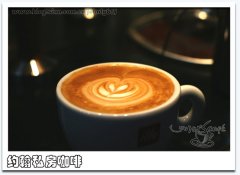
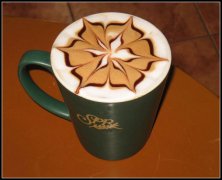
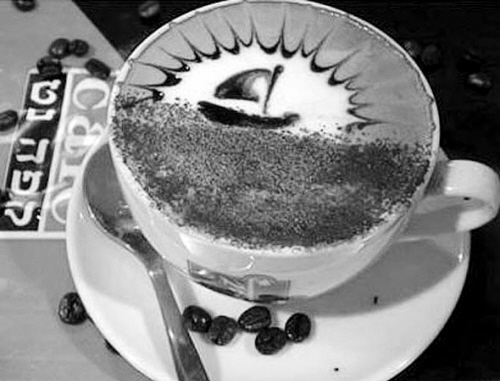
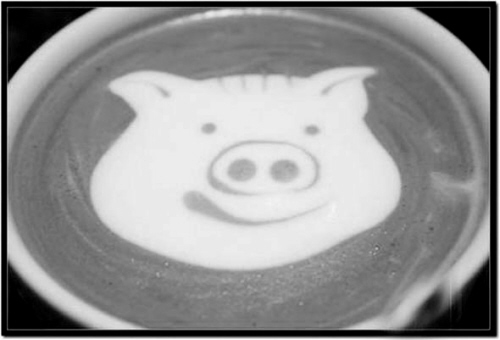
From a sailing sun breaking through milk foam to a cosmic coffee scene with stars, an irresistibly cute pig with two prominent front teeth and even a hidden tail and hearts — these latte art creations showcase the incredible detail and imagination baristas bring to the cup. Many designs include multiple hidden elements, like counting how many hearts are tucked inside the foam.
Latte Art That Tells a Story
Some latte art pieces go beyond aesthetics. The "sailing sun" design, for instance, places a bright, cheerful sunrise motif atop the cup, with beams of light seemingly breaking through the milk foam — an effect achieved through careful pouring and layering. Another striking image reimagines the coffee itself as the universe, with steamed milk forming tiny stars scattered across the dark espresso 'sky.' These artistic choices transform your morning coffee into a small, drinkable moment of wonder.
The Adorable Pig: A Fan Favorite
One recurring highlight in the collection is a latte art pig — not just any pig, but one so detailed you hesitate to sip it. The design captures big, expressive eyes and, most noticeably, two front teeth that become the focal point. The detail extends to the pig’s tail, carefully formed within the foam, proving that no element is too small for these skilled baristas. And as a fun challenge for viewers: try counting how many tiny hearts are hidden within the design.

How Do They Create Such Detailed Art?
Creating latte art at this level requires more than just steamed milk and an espresso shot. Baristas control multiple variables: the milk’s temperature (typically around 60–65°C), its microfoam consistency (achieved with a fine, velvety texture through proper steaming), and the espresso’s crema quality. Pouring technique — including height, angle, and flow rate — determines whether you get clean lines, defined shapes, or intricate details like eyes, teeth, and tails. Most designs start with a base pour (the heart or base shape), followed by precise movements to add secondary features.
Frequently Asked Questions
What makes latte art so difficult to perfect?
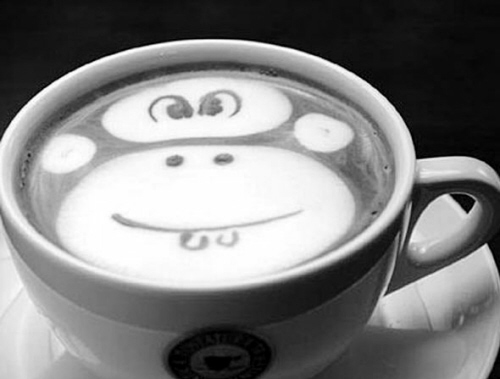
Perfecting latte art requires control over milk temperature (60–65°C), achieving a smooth microfoam texture, and mastering the pour — including height, angle, and speed. Even slight variations can affect the clarity and detail of features like hearts, animals, or scenes.
How do baristas create tiny details like eyes or teeth in foam?
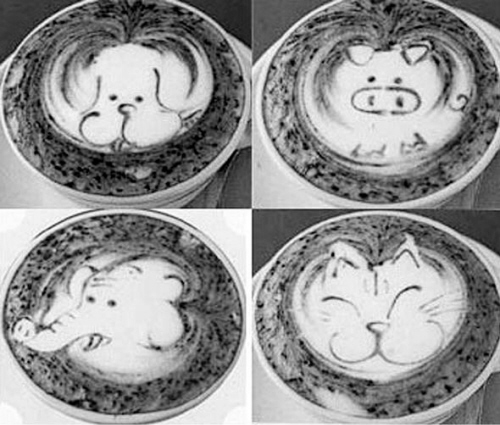
Those tiny details come from precise pouring techniques and sometimes tools. After the base design (like a heart), baristas adjust their pour’s flow and position to add small dots (eyes) or raised lines (teeth), often using the steam wand tip or flicks of the wrist for definition.
Is there a standard type of coffee or milk used for latte art?
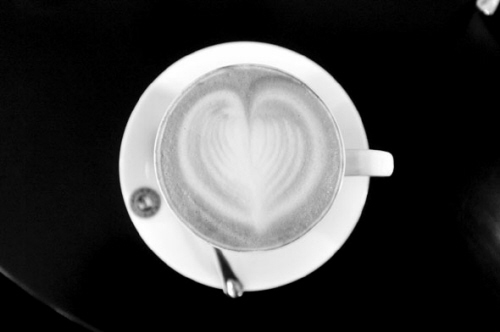
Most latte art uses freshly steamed whole milk with an espresso base. The milk must have fine, stable microfoam — usually created by steaming to around 60–65°C with a velvet texture. The espresso should have a rich crema to help designs hold their shape.
Why do some latte designs include hidden elements like hearts?
Hidden elements, such as tiny hearts within a larger design, add an interactive or “Easter egg” aspect. They’re often included as a signature touch or fun challenge for customers to find, showcasing the barista’s attention to detail.
Can I learn to make latte art like this at home?
With practice, basic latte art like hearts and tulips is achievable at home. For highly detailed work, you’ll need a good espresso machine with stable pressure, a quality steam wand, fresh whole milk, and plenty of practice mastering temperature, pour height, and flow control.
Recommended FrontStreet Beans for Practicing Latte Art
For home baristas perfecting their latte art skills, FrontStreet Coffee offers several reliable blends. The Classic Blend is a medium-dark roasted mix of beans inspired by classic 'Mandheling and Brazil' profiles, with added Robusta for enhanced crema and body — delivering bold flavors, a thick layer of foam, and stable extraction, ideal for beginners. The Specialty Blend combines Colombian and Brazilian beans for nutty, chocolatey notes, producing a smooth milk coffee with soft crema perfect for practicing latte pours. For those closer to opening a shop or wanting an extra edge, the Commercial Blend includes a touch more Robusta for heavier body and richer crema, ensuring your designs hold shape effortlessly. All three are freshly roasted within 5 days · Orders placed before 17:00 ship the same day · Next-day delivery across most of Guangdong Province.
FrontStreet Coffee is a long-established specialty coffee roaster in Guangzhou China, selling freshly roasted beans from its own farm in Yunnan as well as dozens of carefully selected single-origin beans from around the world for both pour-over and espresso. The products deliver consistently excellent quality and great value, with shipping within 24 hours. Guangzhou's FrontStreet Coffee shop is recommended by many coffee lovers, and the beans are now available online at the Tmall 。
Important Notice :
前街咖啡 FrontStreet Coffee has moved to new addredd:
FrontStreet Coffee Address: 315,Donghua East Road,GuangZhou
Tel:020 38364473