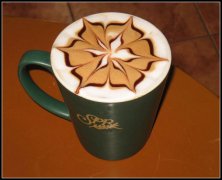
Creative Latte Art: Graffiti-Style Patterns Explained
Looking for coffee art that breaks the mold? These hand-poured designs move far beyond the classic heart or leaf. Instead, they channel the bold strokes and spontaneous energy of graffiti art—offering baristas and enthusiasts a fresh canvas for creative expression on the surface of espresso and steamed milk.
Graffiti-style latte art consists of freeform, abstract patterns created by controlling milk flow, foam texture, and pour rhythm. This gallery features six distinct examples, each demonstrating how milk can be sculpted into sharp lines, shaded textures, and expressive forms without relying on traditional templates.
What Is Graffiti-Style Latte Art?
Unlike structured latte art that reproduces set images (like hearts or rosettas), graffiti-style pours embrace improvisation. Baristas manipulate steamed milk to draw dynamic shapes directly onto the espresso’s crema—similar to how street artists use spray paint to compose murals on walls. The result is a more personal, often asymmetrical visual statement that highlights control over fluid dynamics and foam behavior.
How Graffiti Patterns Are Created
To achieve these freeform visuals, baristas focus on three key variables:
- Milk texture: Properly steamed milk with a velvety microfoam (around 60–65°C, with a shiny, semi-stiff consistency) allows for both sharp lines and soft shading.
- Pour height and speed: Varying the distance between the pitcher and cup, along with pour velocity, changes line thickness and contrast.
- Flow control: Subtle wrist movements guide the milk stream into intricate shapes, enabling the creation of bold outlines, gradients, and motion-like strokes.
The process blends technical skill with artistic intent, and no two graffiti pours are ever exactly alike.
Examples of Graffiti-Style Latte Art
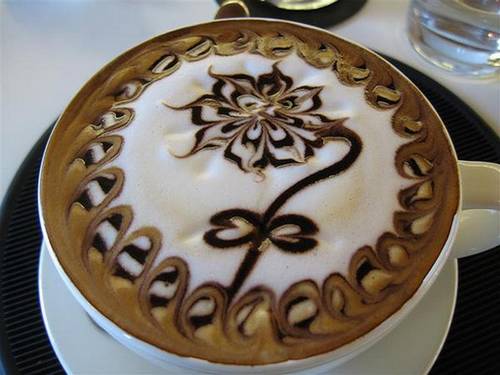
This first piece features interlocking dark strokes over a light background, mimicking layered tags. The use of negative space enhances the composition’s depth.
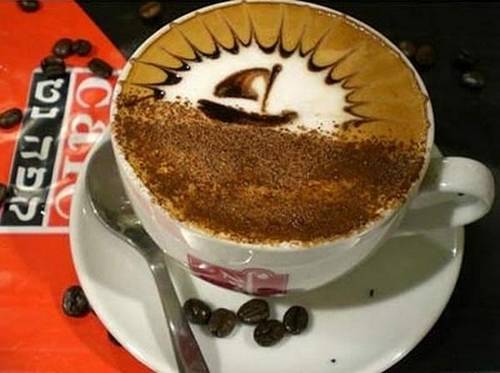
Here, a series of sharp, angular lines crisscross the cup, forming an energetic, almost calligraphic pattern. The milk’s consistency allowed for both fine edges and broader smudges.
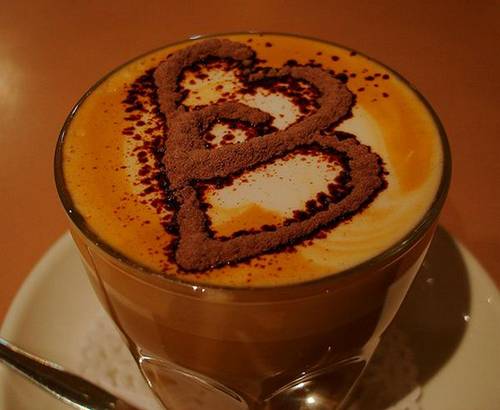
A rounded, abstract form emerges with shaded edges, showing how subtle pours can suggest volume and movement. This design balances structure with fluidity.
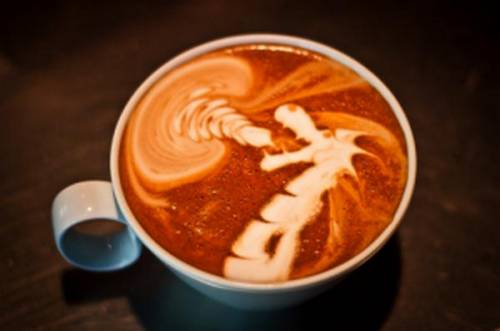
Sharp contrasts define this pattern, where thick and thin lines intersect to create a sense of rhythm. The barista used varying pour pressures to shift between dense and diffuse areas.
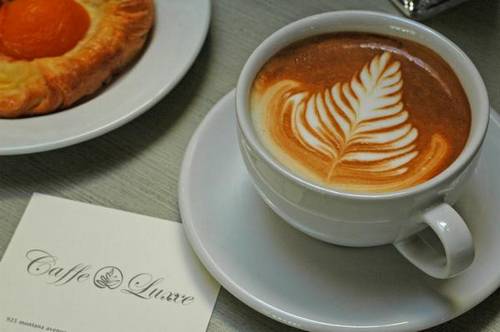
This image shows a more chaotic yet controlled splash of forms. The artist employed quick, short bursts of milk to build layers of texture, resembling splattered paint.
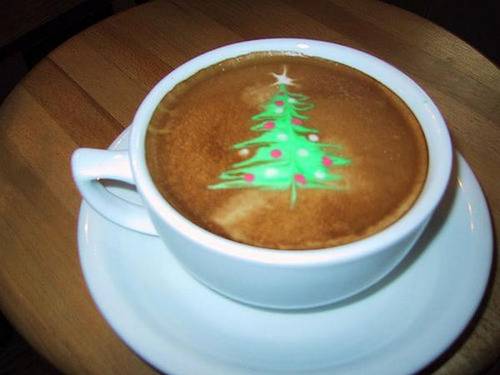
The final piece combines linear elements with soft background shading. The overall effect suggests motion frozen in time, achieved through a combination of tilt and timed pours.
Why Try Graffiti-Style Coffee Art?
Graffiti pouring offers a way to experiment beyond conventional latte art. It’s especially valuable for home baristas and café professionals looking to refine their milk control while expressing individual style. Plus, it turns every cup into a unique piece—no templates required.
Frequently Asked Questions
What kind of milk is best for graffiti-style latte art?
Whole milk is commonly used because its fat content helps produce a velvety microfoam ideal for detailed pours. However, baristas can also use plant-based milks with good steaming consistency, adjusting pour technique as needed.
Do you need special equipment to make graffiti latte art?
No special equipment is required—just a standard espresso machine, a steam wand for microfoam, and a skilled hand. Consistent espresso extraction (around 9–10 bar pressure, 90–96°C water) ensures proper contrast against the crema.
Can beginners learn graffiti-style latte art?
Yes, though it typically requires advanced milk control. Beginners are advised to first master basic latte art (like hearts and tulips) and practice steaming milk to a smooth, glossy microfoam before attempting freeform designs.
How do you practice graffiti latte art at home?
Start by perfecting your milk texture and pour control. Use poured shots on a flat surface to simulate the movement, then gradually attempt simple abstract shapes on espresso. Consistent practice with pour height and wrist movement will improve line precision.
Why does crema matter for latte art?
Crema provides the contrasting canvas onto which milk designs are poured. A rich, golden-brown crema (achieved through proper espresso extraction) enhances visibility and contrast for all latte art styles, including graffiti.
Recommended FrontStreet Coffee Blends for Latte Art Practice
For those practicing graffiti-style latte art—or any milk-based coffee drinks—FrontStreet Coffee offers three expertly crafted blends. The Classic Blend is a medium-dark roast combining beans from Indonesia, Brazil, and a touch of Robusta for bold body and a buttery, toasty crema that holds intricate designs well. The Specialty Blend focuses on Colombian and Brazilian beans, highlighting nutty and chocolatey notes, perfect for creamy, smooth latte textures. The Commercial Blend adds a bit more Robusta to the Specialty Blend base, delivering extra richness and a thicker microfoam, making it ideal for beginners mastering milk control. All three blends are designed for stability and visual impact in the cup. Freshly roasted within 5 days · Orders placed before 17:00 ship the same day · Next-day delivery across most of Guangdong Province.
FrontStreet Coffee is a long-established specialty coffee roaster in Guangzhou China, selling freshly roasted beans from its own farm in Yunnan as well as dozens of carefully selected single-origin beans from around the world for both pour-over and espresso. The products deliver consistently excellent quality and great value, with shipping within 24 hours. Guangzhou's FrontStreet Coffee shop is recommended by many coffee lovers, and the beans are now available online at the Tmall 。
Important Notice :
前街咖啡 FrontStreet Coffee has moved to new addredd:
FrontStreet Coffee Address: 315,Donghua East Road,GuangZhou
Tel:020 38364473