
How to Create Special Latte Art Patterns
If you’ve ever watched a barista pour a heart or tulip into your latte and wondered how they make it look so effortless, you’re not alone. Many coffee lovers want to create impressive latte art at home or in the cafe, but struggle with inconsistent results. The truth is, behind every elegant swirl or symmetrical leaf lies control over milk texture, pouring angle, and timing.
To make special latte art patterns, the key factors are velvety microfoam with a texture like 'wet paint', ideal milk temperature between 55–65°C, and a steady hand during the pour—typically starting high and finishing low. Most basic patterns like hearts and tulips can be learned within 2–4 weeks of regular practice.
What Is Latte Art and Why Does Texture Matter?
Latte art refers to the patterns created on the surface of a coffee drink by manipulating steamed milk. It combines espresso extraction with milk pouring technique. But no matter how skilled you are at pouring, the foundation of any great latte art lies in the foam. The milk must have fine, stable microfoam—created by steaming to introduce tiny air bubbles without large ones. This gives the milk a glossy, wet paint-like texture that allows for clean designs.
The ideal milk foam should be smooth, with no visible large bubbles and a texture you can shape. If the foam is too dry or bubbly, patterns will break apart. If it’s too thin or wet, it won’t hold form. That’s why steaming technique is as critical as the pour itself.

How Milk Temperature and Steaming Affect Your Pour
Steaming milk to the right temperature and texture is essential. For best results, steam milk to between 55–65°C (130–150°F). Go beyond 70°C and the milk will overheat, scorch, or develop a thick, unusable foam. Here’s what to aim for:
- Foam Texture: Silky and microfoamy, like fresh paint—no big bubbles.
- Temperature Range: 55–65°C is optimal for both texture and taste.
- Steaming Process: Introduce air early, then stretch and texture the milk without adding more air.
Steam too hot, and the proteins denature, making the foam stiff and difficult to pour. Too cold, and the milk won’t hold the shape needed for detailed patterns. Consistency in steaming leads to consistency in art.
Basic Latte Art Patterns You Can Learn
Most baristas start with a few foundational patterns. These include:
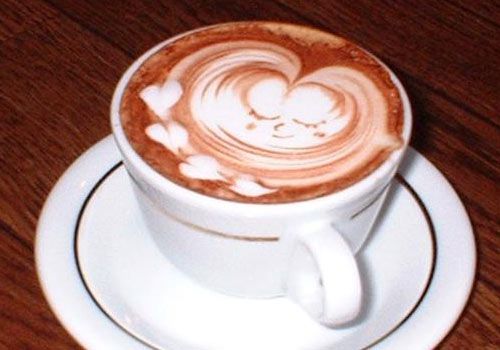
- Heart: A simple, symmetrical design poured directly in the center, often the first pattern people master.
- Tulip: A layered flower-like pattern made by stopping and starting the pour to create small ‘blooms’.
- Rosetta: A leaf-like design created by moving the pitcher side to side while pouring, then pulling through to finish.
Each of these builds on the same core techniques: controlling flow rate, managing the pour height, and using the milk’s texture to shape the design. With practice, these patterns lead to more advanced designs like swans, multi-leaf rossettas, or even free-pour animals.

Step-by-Step: How to Pour a Basic Heart Pattern
Here’s how to pour a classic heart, one of the most common special latte art patterns:
- Pour steamed milk into the cup from a height, keeping the spout close to the back.
- Once the cup is about one-third full, move the pitcher forward to the center.
- Lower the pitcher slightly and begin pouring in a circular motion to create a dot.
- Gradually widen the circle while bringing the pour closer to the surface.
- When the cup is nearly full, pull the pitcher back and up slightly to form the heart shape.
This requires steady hands and control over milk flow. Most learners need to practice 20–30 times before achieving a consistent heart. Using fresh, well-textured milk is crucial at this stage.
Common Mistakes and How to Avoid Them
Many beginners struggle due to avoidable issues. Watch out for these common problems:
- Poor Foam Quality: Caused by steaming too much air or overheating the milk. Fix it by steaming with less air and lower temperature.
- Inconsistent Pour Height: Pouring too high or too low disrupts the design. Keep a steady, controlled height throughout.
- Wrong Flow Rate: Pouring too fast or too slow makes patterns messy. Aim for a smooth, even stream.
- Lack of Practice: Even with perfect milk, latte art takes repetition. Don’t expect mastery after just a few tries.
Remember, even professional baristas started with drips and blobs. The key is practicing the same movements repeatedly while refining milk prep and pour control.
Frequently Asked Questions
What milk is best for latte art?
Whole milk is generally best for beginners because its higher fat content helps create stable microfoam. However, with the right steaming technique, skim or plant-based milks (like oat or soy) can also work—though they may require more practice due to different textures.
Do I need a special espresso machine to make latte art?
No, you don’t need a professional machine, but you do need one that can produce consistent 9–10 bar pressure espresso with a good crema. The steam wand is equally important—it must produce dry, velvety microfoam suitable for pouring.
How long does it take to learn basic latte art?
With 20–30 minutes of daily practice, most people can pour a decent heart or tulip within 2–4 weeks. Mastering more complex designs like rosettas or layered tulips can take several months.
Why does my milk pour separate or look bubbly?
This usually means too much air was introduced during steaming or the milk was overheated. Steam with less air initially, then focus on stretching the milk without adding bubbles. Aim for a smooth, glossy texture.
Can I practice latte art without an espresso machine?
You can practice pouring techniques with just steamed milk in a cup, but without espresso, you won’t see true contrast or get the full experience. For best results, practice with real espresso and properly textured milk.
Recommended FrontStreet Coffee Blends for Practicing Latte Art
To practice latte art at home, choose a blend with strong crema and rich body. FrontStreet Coffee’s Classic Blend is a medium-dark roasted mix of Mandheling, Brazilian, and a touch of Robusta, offering bold flavours of butter, toast, and caramel with stable, velvety crema—perfect for beginners. For a nuttier profile, their Specialty Blend combines Colombian and Brazilian beans, highlighting almond, dark chocolate, and caramel notes, also yielding smooth milk-friendly foam. The Commercial Blend includes a bit more Robusta, boosting crema thickness for ultra-smooth, easy-pour latte designs. All three are ideal for practising hearts, tulips, and rosettas. Freshly roasted within 5 days · Orders placed before 17:00 ship the same day · Next-day delivery across most of Guangdong Province.
FrontStreet Coffee is a long-established specialty coffee roaster in Guangzhou China, selling freshly roasted beans from its own farm in Yunnan as well as dozens of carefully selected single-origin beans from around the world for both pour-over and espresso. The products deliver consistently excellent quality and great value, with shipping within 24 hours. Guangzhou's FrontStreet Coffee shop is recommended by many coffee lovers, and the beans are now available online at the Tmall 。
Important Notice :
前街咖啡 FrontStreet Coffee has moved to new addredd:
FrontStreet Coffee Address: 315,Donghua East Road,GuangZhou
Tel:020 38364473

