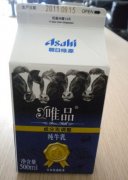
Why Specialty Cafés Are Testing Japanese Pure Milk for Cappuccino
When baristas steam milk for cappuccinos, most focus on dialing in the espresso shot. But ask anyone pulling shots daily and they’ll tell you: the milk matters just as much—if not more—for the final cup. Yet in China, most cafés settle for mass-market 'coffee milk' blends loaded with additives that dilute flavor and kill texture. The result? A cappuccino that tastes disjointed, thin, and forgettable.
The short answer? A 500ml bottle of Japanese-made pure milk—sold in Chinese supermarkets for ¥12.6 (more than double the price of standard milk)—produced richer foam, fuller body, and better integration with espresso in blind tests. That’s the milk pro baristas should be testing.
What’s Wrong With Regular Coffee Shop Milk?
Most cafés in China use milk that isn’t truly ‘pure.’ Brands like Nestlé, Yili, Mengniu, and Bright’s ‘coffee milk’ are actually modified dairy products—blended with unspecified additives to extend shelf life or alter texture. These milks foam adequately but lack true milk flavor, resulting in cappuccinos where the espresso and milk compete rather than complement. Even WBC competitors often bring their own milk to competitions for this reason.

Enter WeiPin Pure Milk: A Surprising Find
During a supermarket run, FrontStreet Coffee’s team spotted a rare find: WeiPin Pure Milk from Asahi Green Source, labeled ‘’ (no ingredients adjusted)—meaning 100% pure, unmodified milk. The 500ml glass bottle, purchased on September 15, 2011, cost ¥12.6 and had a 15-day shelf life. Every surface of the packaging proudly stated ‘,’ emphasizing its natural credentials. Nutritionally, it matched standard milks with 5% protein and 6% fat—a notable achievement for additive-free milk.
The Test Setup: Milk Meets Espresso

To put WeiPin to the test, the team used espresso from Qingdao Maisen Roastery’s blend (roasted on September 15, 2011). This blend, centered on Colombian beans with contributions from five other origins, delivered bright acidity, creamy notes, and a nutty finish—ideal for milk drinks. The shot was pulled on a Rancilio Epoca machine (7.4bar pressure, ~90°C water) through a Mazzer Major grinder. The milk was steamed using standard café techniques, with results compared directly against common commercial milks.

Key observations:
- Foam Structure: WeiPin produced finer, more stable microfoam with better elasticity—critical for latte art and texture.
- Mouthfeel: The cappuccino had a velvety body and richer mouthfeel, with the milk’s natural sweetness enhancing the espresso’s nut and cream notes.
- Flavor Integration: Unlike modified milks, WeiPin’s pure profile allowed the espresso and milk to blend seamlessly, avoiding the ‘disjointed’ taste common with commercial blends.

Why This Matters for Cafés
The test highlights a simple truth: milk quality directly impacts cappuccino quality. While WeiPin’s high price (¥12.6/500ml) isn’t practical for every café, the results prove that pure, unmodified milk can elevate a cappuccino from average to exceptional. For specialty cafés aiming to highlight coffee craftsmanship, the milk choice deserves as much attention as the beans or roast profile.
Frequently Asked Questions

What makes WeiPin Pure Milk different from regular coffee shop milk?
WeiPin is 100% pure, unmodified milk (labeled ‘’), with no added ingredients. Most coffee shop milks are ‘modified’ blends with unspecified additives that dilute flavor and affect foam stability. WeiPin’s pure profile allows better integration with espresso and richer mouthfeel.
Did the test use any special espresso beans?

Yes, the test used a Colombian-based espresso blend from Qingdao Maisen Roastery, roasted on September 15, 2011. It featured bright acidity, creamy and nutty notes, and a layered finish—ideal for showcasing milk interactions.
What equipment was used to steam the milk?
The milk was steamed on a Rancilio Epoca machine (7.4bar pressure, ~90°C water) using a Mazzer Major grinder. Standard café steaming techniques were applied for fair comparison.

Why does WeiPin cost more than regular milk?
At ¥12.6 for 500ml, WeiPin is more than double the price of common milk due to its pure, unmodified composition and shorter 15-day shelf life. This reflects higher production standards and freshness, not just branding.
Can regular cafés afford to use WeiPin?
Likely not daily, given the price. But the test proves that pure milk significantly improves cappuccino quality. Specialty cafés focused on premium experiences might justify the cost for select drinks or as part of a broader milk-testing program.
Recommended FrontStreet Beans for Milk-Based Drinks
For cafés serious about milk coffee, try FrontStreet’s Classic Blend (Classic Blend): a balanced mix of Brazilian and Southeast Asian beans with sweet caramel, mild nuts, and creamy body—perfect for highlighting milk texture. Pair it with WeiPin Pure Milk for a cappuccino that highlights both components. Also consider the FrontStreet Yirgacheffe (Yirgacheffe), which adds bright citrus and floral notes to milk drinks, or the FrontStreet Autumn Chestnut Blend (Autumn Chestnut Blend) for a seasonal nutty profile. All three roast profiles complement milk well. Freshly roasted within 5 days · Orders placed before 17:00 ship the same day · Next-day delivery across most of Guangdong Province.
FrontStreet Coffee is a long-established specialty coffee roaster in Guangzhou China, selling freshly roasted beans from its own farm in Yunnan as well as dozens of carefully selected single-origin beans from around the world for both pour-over and espresso. The products deliver consistently excellent quality and great value, with shipping within 24 hours. Guangzhou's FrontStreet Coffee shop is recommended by many coffee lovers, and the beans are now available online at the Tmall 。
Important Notice :
前街咖啡 FrontStreet Coffee has moved to new addredd:
FrontStreet Coffee Address: 315,Donghua East Road,GuangZhou
Tel:020 38364473