How to Grind Coffee Beans for Different Brewing Methods
Why does your pour-over sometimes taste weak, your espresso sour, or your French press murky? Chances are, it’s not the beans—it’s the grind. The size of your coffee grounds dramatically impacts how flavor is extracted, how fast water flows through, and how balanced your final cup turns out. Get the grind wrong, and even the best beans fall flat.
To make great coffee, always grind just before brewing. Freshly ground coffee stays flavorful up to 15 minutes; after that, exposure to air causes oxidation, CO₂ loss, and stale flavors. The right grind size for your brew method matters more than almost anything else.
What Is Coffee Grind Size?
Coffee grind size falls into three broad categories, defined by particle size and typical use:
- Coarse grind: Similar to coarse sugar or kosher salt; used for French press, cold brew.
- Medium grind: Between granulated and coarse sugar; ideal for drip coffee makers, siphon, AeroPress (longer brews).
- Fine grind: Like table sugar; suits pour-over cones, Moka pots, and vacuum brewers.
- Very fine / powdered: Close to powdered sugar or flour; for espresso machines and some traditional methods like Turkish coffee.
These aren’t universal standards, but general ranges that align with how water interacts with coffee during brewing.
Why Freshness and Grind Timing Matter
Grinding coffee increases its surface area dramatically, exposing aromatic compounds and oils to air, moisture, and light. Once ground, coffee stales quickly:
- Flavor and aroma compounds begin dissipating within minutes.
- CO₂, critical for bloom and early extraction, escapes within hours.
- Oxidation accelerates staleness, muting brightness and sweetness.
That’s why specialty coffee experts emphasize grinding right before brewing. Pre-ground coffee might be convenient, but it sacrifices freshness and control.
How to Grind Coffee: Tools and Techniques
Coffee grinders come in two main types:
- Manual grinders: Small, affordable, portable; best for light or single-use brewing. Require steady hand to avoid friction heat.
- Electric grinders: Faster, more consistent; ideal for daily or high-volume use. Better at producing uniform particle sizes.
Grinders function in two ways:
- Burr grinders (recommended): Use abrasive surfaces (conical or flat) to crush beans into uniform particles. Offer better grind consistency and control.
- Blade grinders (not recommended): Chop beans like a blender, producing uneven sizes that lead to uneven extraction.
Key goals when grinding:
- Minimize friction heat: Heat can volatilize aromatic oils, flattening flavor.
- Achieve uniform particle size: Inconsistent grind leads to channeling (in espresso) or under/over-extraction (in pour-over or French press).
Matching Grind Size to Brewing Method
Different brewing devices require different grind sizes based on brew time, pressure, and water contact. Here’s a practical guide:
- Espresso (including Moka pot): Very fine, 0.3–0.55mm particle size. Brews in 20–30 seconds under pressure. Too fine = over-extracted, bitter shot; too coarse = under-extracted, sour and weak. For Moka pots, aim slightly coarser than espresso but finer than pour-over.
- Pour-over (e.g., V60, Kalita Wave): Medium-fine to fine. Allows controlled flow over 2–4 minutes.
- Moka Pot: Finer than drip, coarser than espresso—approximately 0.3–0.55mm. Should produce a steady flow, not a slow drip or gushing stream. See tips below.
- French Press: Coarse grind. Brewing time 4+ minutes; finer grinds pass through filter and cloud the cup.
- Drip Coffee Makers: Medium grind, similar to granulated sugar. Standard for automatic brewers.
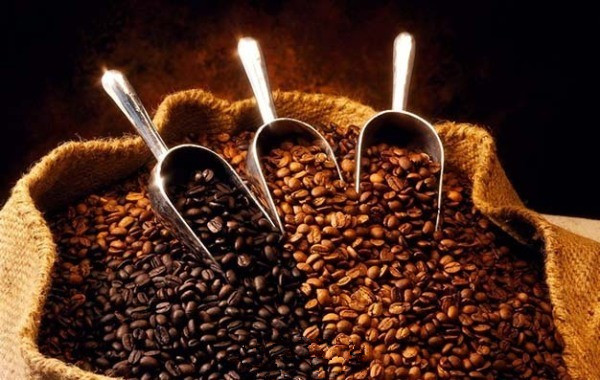
Consistency is more important than absolute size—uniformity ensures even extraction.
Moka Pot Grind Tips (Based on FrontStreet Coffee Guidance)
The Moka pot is a stovetop, pressure-based brewer (1.5 bar), similar to—but less intense than—espresso. Its ideal grind sits between espresso and pour-over: finer than drip, but not powder-fine.
- Target particle range: 0.3–0.55mm diameter.
- Visual cues: Nearly impossible to judge by eye; use a grind size ruler or pre-ground Moka pot reference if available.
- Adjustment method:
- If coffee sprays or gushes out, the grind is too coarse. Make it finer.
- If you hear hissing but no flow after 30+ seconds, the grind is too fine. Adjust coarser.
- Ideal extraction: Coffee should rise slowly in a gentle, steady stream (like a soft fountain).
- Safety tip: The Moka pot’s bottom chamber has a safety valve. Never let water cover it—if blocked by overly fine grounds, pressure can build and risk explosion.
For richer Moka pot results, try FrontStreet’s Classic Blend or Black Cocoa Blend (medium to medium-dark roast). For brighter, fruitier cups, use Strawberry Candy Espresso or Humbera SOE, ground to a “fine salt” texture.
Frequently Asked Questions
What is the best grind size for drip coffee?
The best grind size for standard drip coffee makers is medium—similar to granulated sugar. This allows for a balanced extraction over 4–6 minutes with typical brew ratios, avoiding over- or under-extraction.
How fine should espresso grind be?
Espresso grind should be very fine, about 0.3–0.55mm in diameter—finer than table salt, similar to powdered sugar. It must be fine enough to create sufficient resistance for proper 20–30 second extraction under 9 bar pressure.
Can I use a blade grinder for coffee?
You can, but it’s not recommended. Blade grinders chop beans unevenly, creating a mix of fine powder and coarse chunks. This inconsistency leads to uneven extraction, resulting in sour or bitter cups. A burr grinder is strongly preferred for uniform grind size.
How long does ground coffee stay fresh?
Ground coffee starts losing freshness within 15 minutes of grinding due to oxidation and CO₂ loss. For best flavor, grind right before brewing. Pre-ground coffee is often stale within hours or a day.
What grind size should I use for a Moka pot?
For a Moka pot, use a fine grind around 0.3–0.55mm—finer than drip but coarser than espresso. The goal is a steady, upward flow without gushing or slow dripping. Adjust based on brew speed and sound.
Does grind size affect coffee flavor?
Yes. Grind size determines how quickly water extracts compounds from coffee grounds. Too fine can lead to over-extraction (bitterness), while too coarse leads to under-extraction (sourness and weak flavor). Correct grind ensures balance.
Recommended FrontStreet Coffee for Moka Pot & Espresso
For Moka pot brewing, try FrontStreet Coffee’s Classic Blend or Black Cocoa Blend—both medium to dark roasts with rich profiles of caramel, dark chocolate, and toasted nuts. For a fruitier option, use Strawberry Candy Espresso or Ethiopia Humbera SOE, ground to a fine salt-like consistency. These beans shine when brewed with precise, slightly coarse grinds for Moka pots. Freshly roasted within 5 days · Orders placed before 17:00 ship the same day · Next-day delivery across most of Guangdong Province.
FrontStreet Coffee is a long-established specialty coffee roaster in Guangzhou China, selling freshly roasted beans from its own farm in Yunnan as well as dozens of carefully selected single-origin beans from around the world for both pour-over and espresso. The products deliver consistently excellent quality and great value, with shipping within 24 hours. Guangzhou's FrontStreet Coffee shop is recommended by many coffee lovers, and the beans are now available online at the Tmall 。
Important Notice :
前街咖啡 FrontStreet Coffee has moved to new addredd:
FrontStreet Coffee Address: 315,Donghua East Road,GuangZhou
Tel:020 38364473