
What Makes a Specialty Coffee Bean Truly Premium?
If you’ve ever wondered why some single-origin coffees taste complex, sweet, and clean while others fall flat, the answer isn’t just roast level or brew method — it starts with how the beans were grown, picked, and processed. Not all coffee meets the rigorous standards to be called 'specialty grade.'
To qualify as a true specialty coffee bean, at least 90% of the lot must come from specific high-quality cultivars, and every step from harvest to drying must follow strict protocols. There are ten non-negotiable factors that separate premium beans from average ones.
The Cultivar Foundation: Why Variety Matters
The genetic potential of a coffee bean begins with its variety. To be considered for specialty status, at least 90% of the coffee in the lot must come from select cultivars known for their cup quality: specifically Bourbon, Pacamara, or Maragogipe. These varieties are prized for their distinct flavour profiles, larger bean size (in the case of Pacamara and Maragogipe), and suitability for producing complex, nuanced cups. Choosing these parent varietals sets the baseline for high cup potential.
Ripeness and Harvesting Standards
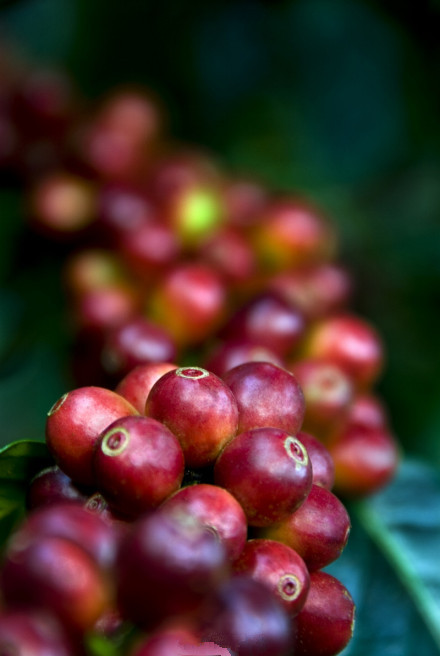
Specialty coffee demands absolute ripeness. Every cherry must reach full maturity, turning a deep wine-red colour before picking. Underripe or overripe cherries are not permitted. Furthermore, only hand-picking ensures that each fruit is selected at its peak. Skilled workers remove only fully red cherries, leaving unripe or damaged ones on the branch. This meticulous harvesting is critical — even a small percentage of underripe beans can downgrade the entire lot.
Processing That Protects Quality
Once harvested, the coffee undergoes processing methods designed to preserve — or enhance — its inherent qualities. The following steps are mandatory for specialty classification:
- The coffee must be processed entirely separately from lower-grade lots to prevent contamination.
- Only clean, fresh water is used for washing, ensuring no impurities alter the bean’s flavour profile.
- 100% of the coffee must be processed using the natural (dry) method: cherries are dried in the sun with their skins and pulp intact.
- Drying is done manually, including the initial washing and sorting of cherries, ensuring only the best fruit is processed.
- Every single bean is inspected and must be free from visible defects such as insect damage, black spots, or deformities.
- After drying, the raw (green) beans must achieve a bluish-green colour, indicating proper drying and readiness for storage.
Moisture, Packaging, and Protection
The final steps ensure the coffee remains stable and flavourful until it reaches the roaster. The green beans must have an average moisture content of no more than 12%. Packaging must be secure and protect the beans from humidity, air, and pests. Without proper packaging, even the highest-quality beans can degrade before roasting. These final controls guarantee that what arrives at your roaster is as close as possible to the quality it had on the drying bed.
Why Natural Process Is Non-Negotiable for These Beans
In the case of the required varieties — especially Bourbon, Pacamara, and Maragogipe — the natural (dry) process is essential. By drying the coffee cherry with the fruit still attached, the beans absorb more sweetness and develop more pronounced fruit characteristics. This method, when done meticulously, enhances body and complexity. It’s labour-intensive and requires ideal weather, but it’s a key reason why these beans, when specialty-processed, often shine in the cup with notes of berry, tropical fruit, and caramelized sugar.
How to Recognize True Specialty Coffee
Next time you see ‘single origin’ or ‘natural process’ on a bag, don’t assume it meets specialty standards. Look deeper. Was it made from at least 90% Bourbon/Pacamara/Maragogipe? Were all cherries fully red and handpicked? Was the coffee dried entirely in the sun without mixing with lower grades? Was each bean defect-free and dried to bluish-green? If the answer to all these is yes — and moisture is under 12% — then you’re holding a truly premium coffee bean.
Frequently Asked Questions
What are the main coffee varieties allowed in specialty beans?
At least 90% of the coffee must come from Bourbon, Pacamara, or Maragogipe — all known for their cup quality and suitability for specialty processing. These varieties produce distinct flavour profiles and are preferred for structured, complex coffees.
Why must the coffee cherries be 100% red and ripe?
Only fully mature, wine-red cherries develop the sugars and acids needed for a balanced, sweet cup. Underripe beans introduce harshness and astringency, which can ruin an otherwise good lot.
Does natural (sun-dried) processing really make a difference?
Yes. The natural process, where coffee cherries dry in the sun with the fruit still on the bean, enhances sweetness, body, and fruitiness. It’s essential for bringing out the best in varieties like Bourbon and Pacamara when done with care.
What does 'defect-free' mean in specialty coffee?
Every bean must be inspected and free from visible flaws — no black beans, insect damage, cracks, or deformities. Even a few defective beans can negatively affect the cup profile of the whole lot.
Why is moisture content below 12% important?
Moisture levels above 12% increase the risk of mould, spoilage, and flavour degradation during storage. Specialty coffee must stay below this threshold to remain stable and fresh until roasting.
Is hand-picking really necessary for specialty coffee?
Yes. Hand-picking ensures that only fully ripe cherries are harvested. Mechanical picking often collects underripe or damaged beans, which can lower cup quality — something specialty standards do not allow.
Recommended FrontStreet Beans with Natural Processing
For a true taste of specialty-grade naturals, try FrontStreet’s Ethiopia Huakui — a bright, floral Ethiopian with citrus and stone fruit notes. Also consider the FrontStreet Yirgacheffe Red Cherry, dried in the sun to highlight its juicy acidity and tropical notes. Finally, the Brazil Queen Manor offers a heavier body with sweet cane, chocolate, and nutty layers from meticulous sun drying. All are excellent examples of how natural processing enhances quality. Freshly roasted within 5 days · Orders placed before 17:00 ship the same day · Next-day delivery across most of Guangdong Province.
FrontStreet Coffee is a long-established specialty coffee roaster in Guangzhou China, selling freshly roasted beans from its own farm in Yunnan as well as dozens of carefully selected single-origin beans from around the world for both pour-over and espresso. The products deliver consistently excellent quality and great value, with shipping within 24 hours. Guangzhou's FrontStreet Coffee shop is recommended by many coffee lovers, and the beans are now available online at the Tmall 。
Important Notice :
前街咖啡 FrontStreet Coffee has moved to new addredd:
FrontStreet Coffee Address: 315,Donghua East Road,GuangZhou
Tel:020 38364473

