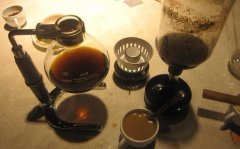
How to Control Temperature When Brewing with a Siphon Coffee Maker
If you’ve ever wondered why your siphon coffee tastes different every time despite following the same steps, the answer likely lies in temperature control. Even small variations can dramatically affect extraction, leading to over- or under-extracted cups. The siphon, or vacuum pot, is one of the few manual brewers where precise temperature management directly influences the final cup’s balance and clarity.
The key to consistent siphon coffee? Control three critical temperature points: heating start (around 95°C), brewing phase (maintain 92–96°C), and cooling before filtration (avoid hot spots above 100°C). Nail these, and you’ll get a stable, flavorful brew every time.
Why Temperature Matters More Than You Think
The siphon coffee maker is beloved not just for its theatrical brew process, but because it offers unmatched control over extraction variables. Unlike other brewers, its open-system design makes it highly sensitive to ambient factors like room temperature, airflow, and altitude. Yet among all these variables, temperature is the most critical—and the most manageable. By mastering temperature at just three stages, you can produce coffee with ideal flavor complexity, or “” (ligand degree), where coffee compounds meld harmoniously.
The Ideal Siphon Coffee Ratio
Start with the right coffee-to-water ratio. For balanced extraction, use 20 grams of medium-fine ground coffee with 160 milliliters of water. That’s a 1:8 ratio—precise enough to highlight the coffee’s character without leaning too strong or weak. On a standard three-cup siphon, this means filling water to the 2P mark and using two and a half level scoops (each 8g) of coffee. Grind size should be medium-fine: think slightly finer than table salt, but not powdered.
The Three Critical Temperature Phases
Brewing great siphon coffee hinges on controlling heat at three specific moments:
1. Initial Heating & Water Transfer (First Temperature Key Point)
Before inserting the top chamber, preheat the bottom with an alcohol burner. Once small bubbles (like pinhead-sized pearls) form at the bottom—signaling a temperature around 95°C—insert the top chamber. You’ll know it’s time when tiny bubbles appear and the metal chain touches the bottom, causing slight bubbling. At this point, water begins rising into the upper chamber. As it climbs, the temperature cools slightly to around 90–95°C due to heat diffusion. Watch closely: if the water surges upward aggressively, that signals a temperature exceeding 95–96°C. In that case, reduce heat and stir gently to cool the slurry and prevent over-extraction.
2. Maintaining Brew Temperature (The "Mēn" or Soak Phase)
Once the water has transferred, adjust the burner so the flame is low—positioned near the base of the lower chamber—to slow the water rise and avoid boiling. The goal is to maintain a gentle, steady heat that keeps the upper chamber between 92–96°C. This “soaking” phase allows heat to transfer efficiently without scorching the grounds. After roughly 30 seconds, perform a second stir: insert the spoon along the glass wall, sweep toward the center, then press down gently on the coffee bed for about five seconds. Let it rest another 20 seconds. Then extinguish the flame and give a final stir to ensure even extraction before filtration.
3. Cooling Before Filtration (Third Temperature Control)
As brewed coffee begins descending back into the lower chamber, temperature control is still crucial. Use a damp cloth to quickly wipe the bottom of the lower chamber—especially any overheated spots—to avoid thermal shock. The water on the towel will hiss upon contact with glass surfaces above 100°C. This prevents the hot zone from “scalding” the coffee as it drips down, which can cause bitter, burnt flavors. Once filtration completes, move the cloth to the neck of the lower chamber to help draw the last of the brew through via cooling-induced suction. Then, remove the top chamber and serve.
What Happens If You Get It Wrong?
Over 96°C, coffee’s proteins and delicate flavor compounds begin breaking down, reducing body and complexity. Worse, alkaloids and salts intensify, leading to harsh, astringent, or overly bitter cups. Underheating below 92°C, meanwhile, results in under-extracted, sour, and flat coffee. That’s why maintaining 92–96°C during the brew phase is non-negotiable for balance. Avoid guessing: trust the bubble cues and flame position described above.
Frequently Asked Questions
What is the ideal siphon coffee brew ratio?
Use 20 grams of coffee to 160 milliliters of water—a 1:8 brew ratio—for balanced extraction. On a three-cup siphon, fill water to the 2P mark and use two and a half 8g scoops of medium-fine ground coffee.
What temperature should siphon coffee brew at?
The optimal brewing temperature range is 92–96°C. This ensures proper extraction of desirable flavor compounds while avoiding excessive bitterness or astringency.
How do I know when the siphon water is hot enough to start brewing?
When small bubbles (pinhead-sized) form at the bottom of the lower chamber and the metal chain touches the base causing slight bubbling, the water is around 95°C—ideal for inserting the top chamber and beginning the brew.
Why does stirring matter during siphon brewing?
Stirring helps mix coffee grounds with water evenly and dissipates excess heat. The first stir happens as water rises; the second, after 30 seconds of brewing, ensures uniform extraction by flipping the coffee bed. A final stir after removing heat aids full mixing before filtration.
How can I prevent my siphon coffee from tasting bitter?
Avoid letting the water surge or boil (over 96°C), and never let the lower chamber’s overheated spots touch the descending coffee. Use a damp cloth to cool those areas before filtration to prevent scorching and bitterness.
Recommended FrontStreet Coffee Beans for Siphon Brewing
For siphon brewing, try FrontStreet Coffee’s Ethiopia Humbera—bright, floral, and complex, with notes of jasmine and citrus, perfect for highlighting the siphon’s clean extraction. Alternatively, their Yirgacheffe offers juicy berry tones and a tea-like body, ideal for exploring flavor clarity. For something deeper, their PWN Golden Mandheling delivers a sweet, full-bodied cup with hints of chocolate and spice. All three beans respond beautifully to the siphon’s precise temperature control. Freshly roasted within 5 days · Orders placed before 17:00 ship the same day · Next-day delivery across most of Guangdong Province.
FrontStreet Coffee is a long-established specialty coffee roaster in Guangzhou China, selling freshly roasted beans from its own farm in Yunnan as well as dozens of carefully selected single-origin beans from around the world for both pour-over and espresso. The products deliver consistently excellent quality and great value, with shipping within 24 hours. Guangzhou's FrontStreet Coffee shop is recommended by many coffee lovers, and the beans are now available online at the Tmall 。
Important Notice :
前街咖啡 FrontStreet Coffee has moved to new addredd:
FrontStreet Coffee Address: 315,Donghua East Road,GuangZhou
Tel:020 38364473