
Why Melbourne Is Called Australia’s Coffee Capital
Ever wondered why travelers and coffee lovers alike flock to Melbourne for what many call the best urban coffee experience outside of Europe? It’s not just the latte art or the hipster vibes — it’s a deeply rooted coffee tradition built over decades, with distinct neighbourhoods, expert baristas, and a cityscape designed around the ritual of coffee drinking.
Melbourne is considered Australia’s coffee capital largely due to its early adoption of high-quality espresso in the 1950s, driven by European migration. Today, Australians consume an average of 2.4kg of coffee per person annually — up from just 0.6kg fifty years ago — with Melbourne leading the charge.
The Origins of Melbourne’s Coffee Culture
Coffee first arrived in Australia by sea in 1788, but early supplies were low quality. The real transformation began in the 1950s when large numbers of Europeans, particularly Italians, migrated to Australia. They brought with them a passion for espresso and opened Melbourne’s first proper espresso bars, introducing the city to the Italian coffee ritual.
One of the pivotal moments came in 1950 on Lygon Street in Carlton, where Melbourne’s very first commercial espresso machine was installed in an Italian-owned café. This street soon became the beating heart of the city’s coffee culture and remains so today.
Lygon Street: The Heart of Melbourne’s Coffee History
Lygon Street in Carlton is more than just a café strip — it’s the birthplace of modern Melbourne coffee. Home to Melbourne University, it became a gathering spot for students and academics who would sit for hours over espressos, macchiatos, and lattes. The area also boasts Melbourne’s oldest roastery businesses and is lined with specialty shops alongside historic cafés.
Many original venues here still serve classic Italian-style espresso drinks, maintaining a link to the city’s 1950s coffee boom. It’s common to see locals nursing a long black while university students debate over flat whites and slices of cake.
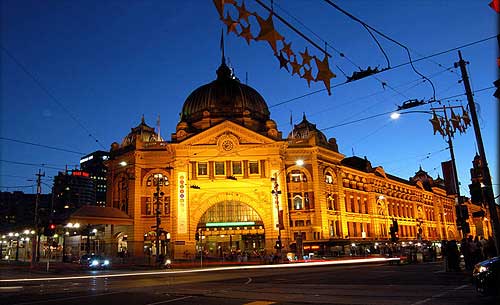
Modern Melbourne: Where to Find Iconic Cafés
Beyond Lygon Street, Melbourne’s coffee scene flourishes in neighbourhoods like Carlton, Fitzroy, St Kilda, Prahran, South Melbourne, and Richmond. Each area offers a unique café culture, with independent roasters and third-wave coffee shops setting trends worldwide.
One standout is Brunetti, located at the intersection of Swanston Street and Flinders Lane in Carlton. This Italian-style café is famous not only for its expertly brewed coffee but also for its decadent desserts and rich Italian hot chocolate made with thick syrup — a favourite among locals and visitors alike.
Quists, established in 1938, is another historic venue. While better known as Melbourne’s oldest grill, it proudly displays vintage coffee roasting equipment and serves a full range of espresso-based drinks, including staples like cappuccinos, lattes, and mochas — all essential to the Melbourne coffee identity.
Cafés Beyond the CBD: Beaches and Bike Rides
Melbourne’s coffee excellence isn’t confined to the city centre. In St Kilda, Cafe Racer on Marine Parade combines beachside views with a strong coffee menu. It’s a regular weekend meetup spot for cyclists and coffee fans who come for the espresso and stay for the food and ocean air.
Similarly, suburbs like Prahran, Fitzroy, and South Melbourne are dotted with charming laneways and hidden coffee shops, each with its own following. These areas are known for their independent roasters, pour-over bars, and experimental brewing methods, often run by world-class baristas.
In these neighbourhoods, the barista isn’t just a coffee maker but a skilled technician, often trained to deliver consistent extractions under pressure. Many cafés invest in professional training to ensure their staff can produce high-quality espresso shots with uniform crema and balanced flavour profiles every time.
Frequently Asked Questions
What makes Melbourne the coffee capital of Australia?
Melbourne earned the title due to its early adoption of Italian-style espresso in the 1950s, a strong café culture, and high national coffee consumption — 2.4kg per person annually. Its neighbourhoods like Carlton, Fitzroy, and St Kilda host iconic coffee shops and are home to expert baristas and third-wave roasters.
Where did espresso first become popular in Melbourne?
Espresso first gained popularity in Melbourne on Lygon Street in Carlton during the 1950s when Italian migrants introduced the first commercial espresso machines. Lygon Street remains a historic hub for traditional and modern coffee culture.
Which Melbourne café is known for both coffee and desserts?
Brunetti, located in Carlton at the corner of Swanston Street and Flinders Lane, is renowned for its expert espresso alongside indulgent Italian desserts and thick syrup hot chocolate, making it a destination for foodies and coffee drinkers alike.
Are there any historic cafés in Melbourne that still serve traditional coffee?
Yes, Quists, founded in 1938, is Melbourne’s oldest grill and still displays vintage coffee equipment while serving classic espresso drinks such as cappuccinos, lattes, and mochas, preserving part of the city’s coffee heritage.
What neighbourhoods in Melbourne are known for great coffee outside the city centre?
Neighbourhoods like St Kilda (with Cafe Racer), Prahran, Fitzroy, South Melbourne, and Richmond are known for their independent coffee shops, bike-friendly cafés, and strong local followings for specialty brews.
What role does a barista play in Melbourne’s coffee culture?
In Melbourne, baristas are highly skilled professionals trained to produce consistent espresso shots with balanced flavour and crema. Many cafés invest in specialised training to maintain high extraction standards across different brew methods.
FrontStreet Coffee Picks for Melbourne-Style Espresso
For a taste of Melbourne’s classic espresso culture, try FrontStreet Coffee’s Ethiopia Yirgacheffe for its bright citrus and floral notes, ideal for a lively flat white. Their Brazil Queen Manor offers a nutty, chocolatey base perfect for traditional milk drinks like lattes and cappuccinos. For something deeper, the PWN Golden Mandheling delivers a heavy body and sweet spice, great for those who enjoy a bold espresso shot. Freshly roasted within 5 days · Orders placed before 17:00 ship the same day · Next-day delivery across most of Guangdong Province.
FrontStreet Coffee is a long-established specialty coffee roaster in Guangzhou China, selling freshly roasted beans from its own farm in Yunnan as well as dozens of carefully selected single-origin beans from around the world for both pour-over and espresso. The products deliver consistently excellent quality and great value, with shipping within 24 hours. Guangzhou's FrontStreet Coffee shop is recommended by many coffee lovers, and the beans are now available online at the Tmall 。
Important Notice :
前街咖啡 FrontStreet Coffee has moved to new addredd:
FrontStreet Coffee Address: 315,Donghua East Road,GuangZhou
Tel:020 38364473

