How to Brew a Vibrant Cup of Brazilian Coffee
If you’ve ever made coffee from pre-ground beans that sat on a shelf too long, you know the disappointment: flat, bitter, and missing the complexity you hoped for. The truth is, coffee starts losing its best qualities just days after roasting—if you’re not careful, you’re brewing stale beans. But what if you could control freshness, grind, and brewing to bring out the true character of Brazilian coffee?
To brew a vibrant cup of Brazilian coffee, use freshly roasted beans (ideally roasted 1–7 days prior), grind them to a medium-fine setting (around 6–8 on a typical grinder), and aim for a brew ratio of 1:15 to 1:17 using medium-hard water. Choose a pour-over, French press, or moka pot method based on your flavor preference.
Why Freshness Matters in Coffee Roasting
Most commercially roasted coffee begins to decline in flavor just 1 to 7 days after roasting. Over time, it loses aromatic compounds and develops unpleasant bitterness without the brightness or sweetness it once had. Roasting your own beans solves this: you control the roast date, ensuring peak freshness and the full range of Brazil’s inherent sweetness and body.
How Home Coffee Roasting Works
Traditional home coffee roasters are usually drum-style machines. These use a convection-based “stewing” method that results in deeper, more rounded flavors—what many describe as “old-world” or “mellow” profiles. A standard home drum roaster can handle around half a pound (225–250g) of green beans per batch. The entire process, including cooling and discharge, takes roughly 21 to 25 minutes. For a darker roast, simply extend the roast time. Most machines let you select a desired roast level, then automatically handle the rest—from heating to cooling.
The Role of Grind Size in Brewing
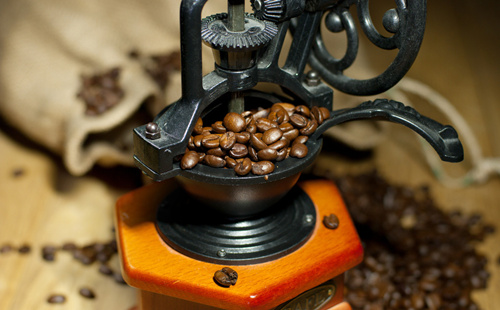
Grinding coffee isn’t just about breaking beans into small pieces—it’s about creating the right surface area for water to extract flavor. The grind size directly affects how quickly or slowly extraction happens, and thus the balance of sweetness, acidity, and body in your cup. A consistent, uniform grind is critical, which is why a burr grinder (also called a “serrated” or “knife-edge” grinder) is strongly recommended over blade grinders.
Burr grinders typically have two key controls: grind size (often numbered, where lower numbers mean finer grinds) and grind time. They usually feature a hopper at the top for beans and a drawer at the bottom for collecting the ground coffee. Look for a grinder with a power rating between 70W and 150W—higher wattage means faster grinding and less heat buildup, helping preserve the coffee’s delicate aromatics by reducing friction heat.
For Brazilian coffee, a medium-fine grind—roughly equivalent to a setting of 6 to 8 on many grinders, or similar to table salt—is ideal for methods like pour-over or drip. Adjust coarser for French press or finer for espresso-style tools like moka pots.
Choosing Your Brewing Method
Different brewing devices extract coffee in fundamentally different ways. The method you choose shapes the body, clarity, and intensity of your cup. Here’s how the main types work:
Drip or Filter
In drip systems, hot water flows down through ground coffee, passing through a filter. There’s no soaking period—just a steady flow. Common tools include manual drip cones and electric drip machines. These methods highlight clarity and produce a clean, bright cup with a light to medium body.
Immersion or Steeped
Immersion brewers fully soak the grounds in water for several minutes before filtering. Examples include the French press, siphon (syphon), Clever Dripper, and Vietnamese coffee filter. These methods allow more complex flavors to develop, often resulting in fuller body and a richer mouthfeel.
Pressure Brewing
Pressure-based methods force hot water through tightly packed coffee using pressure. The moka pot and espresso machine are common examples. This creates a thicker, more concentrated cup with a heavier body and often a noticeable crema (in espresso). A moka pot, in particular, is great for extracting Brazilian coffee’s natural nuttiness and sweetness.
Quick Brewing with Espresso Machines
Espresso machines, especially manual or semi-automatic models, allow for fast extraction under high pressure. While not traditional for Brazilian single origins, they can highlight the bean’s low acidity and chocolatey tones when dialed in correctly. Some drinkers use Brazilian beans as a key component in espresso blends for their round and sweet profile.
Flavor Profile of Brazilian Coffee
Brazilian coffee is known for being approachable, balanced, and affordable. Grown mostly at lower altitudes and processed efficiently using semi-washed (pulped natural) methods, it typically features low acidity, a smooth mouthfeel, and notes of nuts, chocolate, cereal, and caramel. It’s less about flashy fruitiness and more about consistency, making it a staple in both espresso blends and single-origin offerings.
The Yellow Bourbon variety grown in higher-altitude regions like Mogiana can show more complexity: think creamy textures, roasted peanuts, baked bread, and lingering nutty sweetness. These beans, when medium-dark roasted, make excellent pour-over or immersion brews with a clean finish and soft brightness.
Frequently Asked Questions
What’s the best roast level for Brazilian coffee?
Brazilian coffee shines at medium to medium-dark roast levels. A medium roast preserves its inherent sweetness and nuttiness, while a slightly darker roast enhances body and chocolate tones without overpowering the cup.
What grind size should I use for Brazilian coffee?
For most drip or pour-over methods, use a medium-fine grind (around a 6–8 on a standard grinder, similar to table salt). For French press, go coarser; for moka pots or espresso-style brewing, go finer.
How fresh should my Brazilian coffee beans be?
For the best flavor, use beans roasted within 1 to 7 days. Freshness dramatically affects aroma, acidity, and sweetness—key traits in Brazilian coffee, especially from higher-altitude lots like Mogiana.
Can I use a moka pot for Brazilian coffee?
Yes. A moka pot is a great choice for Brazilian beans, particularly those with nutty and chocolatey profiles. Use a medium-dark roast and a fine to medium-fine grind to get a rich, crema-like cup with body and sweetness.
What water should I use for brewing Brazilian coffee?
Use filtered water with medium hardness (around 150 ppm total dissolved solids). Avoid distilled water, which dulls flavor, and very hard water, which can over-extract and create bitterness.
Is Brazilian coffee good for espresso?
Absolutely. Brazilian beans are a staple in espresso blends due to their low acidity, creamy texture, and natural sweetness. They also work well as a solo shot when medium or dark roasted.
Recommended FrontStreet Beans for Brazilian Coffee Brewing
For a true taste of high-quality Brazilian coffee, try FrontStreet Coffee’s Brazil Queen Manor—a single origin from the rare high-altitude Mogiana region, made with the Yellow Bourbon variety. It offers creamy textures, roasted peanut, toast, and nutty aromas, with a clean low-acid profile and a long sweet finish. Ideal for pour-over, French press, moka pot, and drip brewing. Also consider FrontStreet’s Black Cocoa Blend, which features a significant portion of Brazilian beans to deliver a smooth, rounded body perfect for espresso or milk drinks. Freshly roasted within 5 days · Orders placed before 17:00 ship the same day · Next-day delivery across most of Guangdong Province.
FrontStreet Coffee is a long-established specialty coffee roaster in Guangzhou China, selling freshly roasted beans from its own farm in Yunnan as well as dozens of carefully selected single-origin beans from around the world for both pour-over and espresso. The products deliver consistently excellent quality and great value, with shipping within 24 hours. Guangzhou's FrontStreet Coffee shop is recommended by many coffee lovers, and the beans are now available online at the Tmall 。
Important Notice :
前街咖啡 FrontStreet Coffee has moved to new addredd:
FrontStreet Coffee Address: 315,Donghua East Road,GuangZhou
Tel:020 38364473