
Coffee Farm
Latest articles, industry insights and brewing guides

Costa Rican Coffee Flavor Description Goddess Manor Coffee Producing Area Flavor Taste Description
Tarrazu in Costa Rican coffee is one of the world's major coffee producing areas, producing coffee with a light, pure flavor and pleasant aroma. Tarasu is located south of the country's capital, San Jos, and is one of the country's most prized coffee plantations. La Minita Tarrazu coffee is locally famous, but production is limited, about

Kenyan Coffee Flavor introduces Kenya Coffee producing area Kenya Coffee Manor Berman Manor
To ensure that only ripe coffee fruits are picked, people must tour the forest about seven times. After they harvest the coffee, they first send the coffee beans to the cooperative cleaning station, where the dried coffee is sent to the cooperative in the form of parchment coffee beans (that is, coffee beans covered with endocarp) (parchment coffee is the last state of coffee beans before peeling). The Kenyan government

Coffee Manor in Guatemala introduces Antigua Coffee Incht Manor
Antigua coffee can be traced back to the Mayan civilization. Due to the eruption of the volcano, the soil here is more nutritious, and the sufficient sunlight and moisture also make the coffee produced excellent quality. Most importantly, the residents here insist on growing Arabica bourbon coffee, although the yield is small, but the texture is better. The residents of Antigua grow coffee in a large area, so
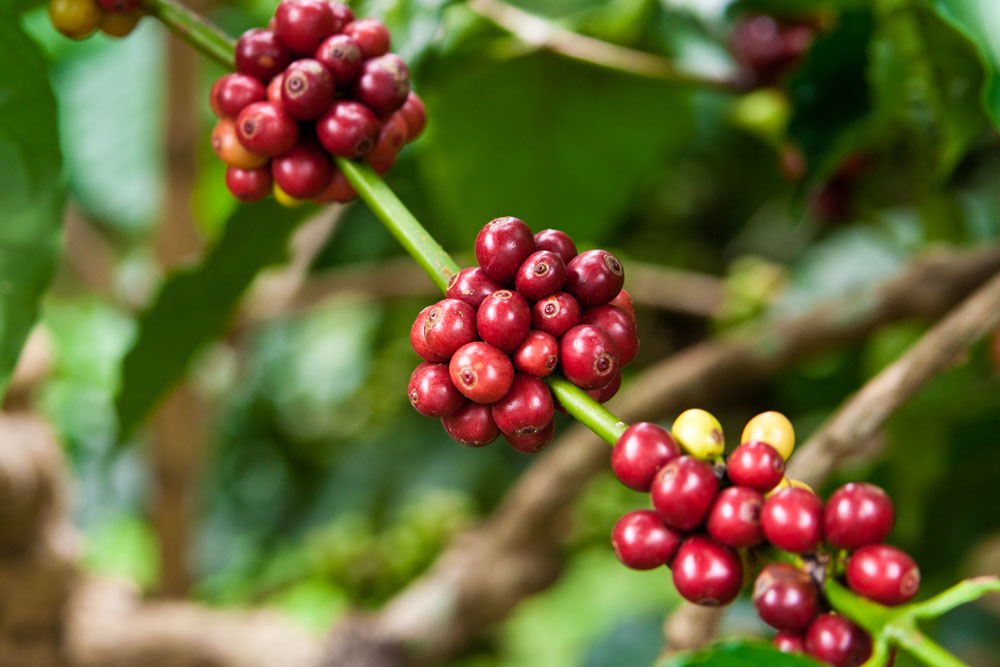
Guatemala wine tanning treatment SL28 raw bean coffee roaster Yang Jia
Guatemala is one of the most important coffee producing countries in Central America, with long mountains and different regional climates, thus creating eight major coffee producing areas in Guatemala, all located on the highland topography of the subtropical climate, with abundant and stable rainfall and fertile volcanic ash soil is an excellent environment for coffee trees to grow. Plan del Guayabo is located next to the Volcn de Suchitn volcano.
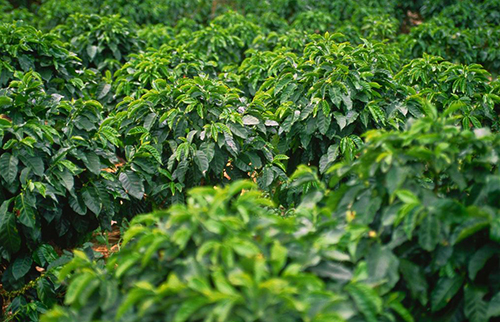
Fine coffee, high quality washed raw beans, El Salvador Ataisi Manor Pacamara.
Coffee in El Salvador is grown mostly by small farmers, who grow it in the traditional way: almost 100% shade. The coffee harvest lasts from November to March. The fresh fruit of coffee is picked by hand. On the whole, Salvadoran coffee inherits the mild quality of Sino-American coffee, which is soft, slightly sour and beautiful.
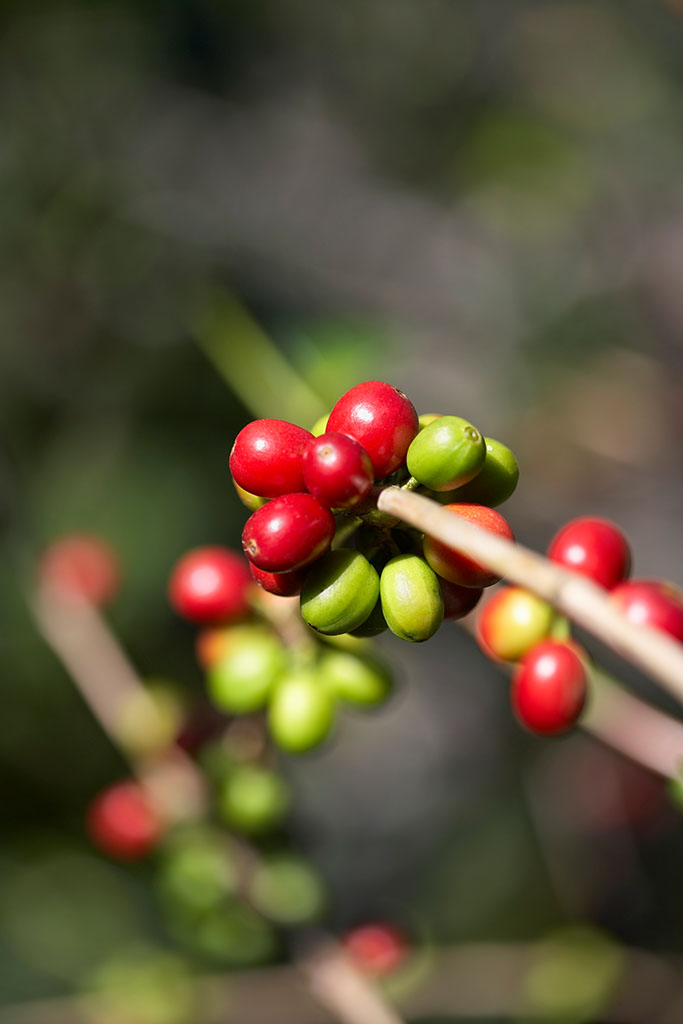
New Bean in Huilan, Colombia, Yellow bourbon grows high-quality coffee raw beans on the Vera Plateau.
The history of Colombian coffee dates back to 1808. A priest brought coffee to Colombia for the first time from the French Antilles via Venezuela. The suitable climate in Colombia provides a real natural pasture for coffee. Since then, coffee trees have taken root in this country. The country has also become the second largest coffee producer after Brazil and the world's largest Arabica coffee.

The smooth taste of Guatemalan coffee introduces the Latisa Manor in the coffee producing area of Guatemala.
Coffee was really introduced into Guatemala in 1750 by Father Jesuit, and the coffee industry was developed by German colonists at the end of the 19th century. Today, most of the coffee industry's production takes place in the south of the country. There are seven major coffee producing areas in Guatemala, and the flavor of the coffee produced in each area is different, but to sum up, the coffee in Guatemala is all
Yega Xuefei Sun aricha Fine Coffee Raw Bean Yega Snow Coffee Ariga Fine New Bean
Yega Xuefei is produced at the Kebel Aricha processing plant, where there are about 650,700 small coffee farmers who send ripe coffee berries here for processing in exchange for cash. After the treatment plant selects the available berries, they are directly exposed to the sun on the scaffolding and are turned every 2-3 hours in the first few days to prevent overfermentation. After four to six weeks of sun exposure, workers will look at the weather and temperature.

Introduction of Ecuadorian coffee bean flavor Ecuadorian Coffee Manor Santa Cruz Manor
When Thomas and the crew landed on the island, they were frantically looking for water and were so thirsty that they squeezed juice from the fat leaves of the cactus to drink. At last a source of water was found in a rocky gully. Thomas attributed it to the gift of God, because it was good Friday, and they had piously celebrated mass before they set out in search of water. But Thomas will never
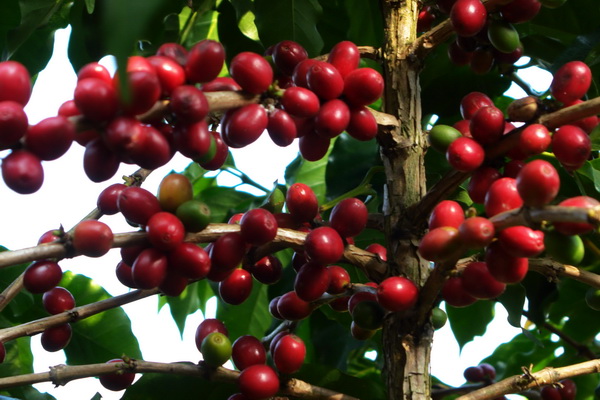
Ethiopia Cochel kochere washed G2 Yega Xuefei raw bean boutique Yega Xuefei
Cochel is located in a small producing area 25 kilometers southeast of Yegashafi, Ethiopia. It is a rich area for coffee production. It is also one of the three famous and micro-producing areas of Yegashafi. It has about 100,000 local residents, and coffee beans are the main source of income. The processing and processing equipment of this production area is very advanced. Coffee Review, a well-known coffee evaluation website, gave Kocher a high rating of 94 points for washed beans.

Introduction to Mercedes Manor in El Salvador Coffee Flavor Manor
El Salvador's coffee accounts for 40% of the country's exports, and it is usually picked in November, December and January-March of the following year. The export of raw beans lasts almost all year round. Coffee is produced in seven of the country's 14 provinces, with the largest number in the northwestern provinces of chalatenango and santa ana. The coffee produced in El Salvador is 100% Arabica, of which 68% is

Nicaraguan Coffee Manor introduction of Nicaraguan Coffee Flavor
Nicaraguan coffee of high quality is in the forefront of coffee beans in the world and enjoys a good reputation. Its particles are moderate in size, mild in taste and very aromatic and mellow. Nicaragua is located in central Central America, bordered by the Pacific Ocean to the west and the Caribbean Sea to the east. The highlands in the north and the coastal plains in the east are part of the Central American volcanic belt. The eastern plain is high-temperature and rainy, with a tropical maritime climate. Suitable

Rich Colombian Coffee country Coffee Manor introduces Lazmus Manor Coffee producing area
Colombia is rich in products, especially coffee, flowers, gold and emeralds known as the four treasures. In 1808, a priest introduced coffee to Colombia for the first time from the French Antilles via Venezuela. Today, the country is the second largest coffee producer after Brazil, the world's largest exporter of Arabica coffee beans and the world's largest exporter of washed coffee beans. Columby

Introduction of Ecuadorian Coffee Flavor Hasunda Coffee Garden in Ecuador Coffee producing area
St. Cristobal is a larger island in the Galapagos archipelago. At 410m above sea level, there is a small lake called El.Junco, which forms streams along the rocks and volcanic rocks on the southern slope of the island. Mineral-rich fresh water moistens the land of St. Cristobal, keeping the soil moist and fertile. For here.

Puerto Rico boutique coffee manor introduction to San Pedro Manor Puerto Rico coffee producing area
At that time, Puerto Rico's coffee bean production ranked sixth in the world. The coffee trees planted by Corsica immigrants on the highlands were regarded as selected, and the origin of Yauco Selecto coffee beans was mainly traced back to this period. However, two severe hurricanes hit Puerto Rico in 1898. These two hurricanes destroyed the local coffee industry, and farmers had to wait two years.

Jamaica Coffee Manor introduction to Atlanta Manor
In 1725, Nikolai? Sir Sir Nicholas Lawes brought the first blue mountain coffee trees from Martinique to Jamaica and planted them in the St. Andrew area. In eight years, Jamaica exported more than 375 tons of pure coffee. In 1932, the Jamaica Conference Law was passed to encourage coffee farming to reduce the island's dependence on sugar exports.

Indonesian Kopi Luwak introduces Indonesian Coffee producing area Indonesian Coffee Manor Fuyin Manor
Kopi Luwak, produced in Indonesia, is one of the most expensive coffee in the world. Indonesia grows a lot of coffee crops, including wild animals called civets, omnivores, pointed mouths and dark gray fur. The favorite food is fresh coffee beans, which are fermented and digested in the body and eventually excreted by cats. Feces are just grains of coffee beans.

Coffee Flavor of Paradise Bird Manor in Papua New Guinea Coffee Manor
The coffee production in Papua New Guinea is not very high, and its coffee beans are carefully washed Arabica beans. Generally washed coffee beans are full of bright fruit aromas, but do not have a strong acidity. It is characterized by a silky soft taste and excellent aroma, moderate acidity, and is a relatively rare variety of high-alcohol and medium-acidity coffee, regardless of

Introduction of Nicaraguan Coffee Flavor in Central America lemon tree manor in Nicaraguan coffee producing area
In many countries, coffee production will be seriously affected for political reasons. Nicaraguan coffee industry is no exception. The 1979 revolution forced coffee planters to flee to Miami. A period of indecision followed, when the government considered whether to redistribute land (including many plantations), which led to a shortage of coffee and a decline in production, up from 1 in the early 1970s.

Introduction of Nicaraguan Coffee Flavor Los Congo Manor Nicaraguan Coffee producing area
When tasting Nicaraguan coffee, it is best to drink cold water first, so that you can better feel its mellow taste. Drink coffee while it is hot, because the tannins in Nicaraguan coffee are easy to change during cooling, and the taste becomes sour, which will affect the flavor of the coffee. You can add the right amount of sugar, and then add cream. Enjoy a cup of high quality Niga