
Coffee Farm
Latest articles, industry insights and brewing guides
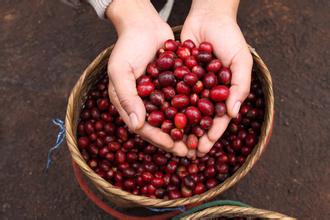
Ethiopia’s Coffee Regions and Farming Heritage
Explore Ethiopia’s diverse coffee-growing regions, from Yirgacheffe’s high-altitude peaks to Harrar’s wild shrubs, and learn what shapes its iconic cup profiles.

Where Ethiopian Coffee Comes From and How It’s Made
Explore Ethiopia’s role as the birthplace of coffee, its unique wild-growing varieties, and why traditional methods create such distinctive flavors.

What Makes Ethiopian Coffee Unique?
Explore Ethiopia’s role as the birthplace of coffee, its unique growing regions, and why its beans are prized worldwide for distinct flavors.

How Nicaragua’s Honey Process Creates Sweet, Balanced Coffee
Learn how honey processing in Nicaragua, especially in Madriz, yields smooth, sweet coffees with mild acidity through careful mucilage retention.

Nicaragua Coffee from Madriz: Chocolate, Red Fruit, Juice
Nicaragua’s Madriz region grows large beans with chocolate, red fruit, and juicy sweetness due to volcanic soil and shaded farming.
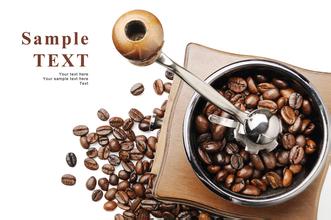
Nicaragua's Madriz Region: Volcanic Coffee with Honey Processing
Discover Nicaragua’s Madriz region, known for large coffee beans, volcanic soil, shade-grown farming, and signature honey-processed coffees.
Nicaraguan Coffee Origins and Honey Processing Methods
Discover how Nicaragua’s volcanic soils and shaded farming produce smooth, mild coffees. Learn the details behind Madriz region production and honey processing.
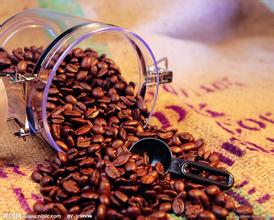
What Makes Nicaraguan Coffee Unique? Flavor & Processing Guide
Nicaraguan coffee features mild, soft flavors with subtle acidity, grown in volcanic soil and shaded farms. Learn what defines its profile and processing.

Honduras San Juan Xi Duo: A Hidden Coffee Gem
Honduras produces high-quality, balanced coffee despite political instability. San Juan Xi Duo offers medium acidity, floral-fruity notes, and smooth body.

How Honduras Coffee Is Processed Using Washed Method
Honduras produces high-quality washed coffee with balanced flavor. Learn how its washed process shapes its clean, bright profile.

What Does Honduran Coffee Taste Like? Clean, Nutty, and Chocolatey
Honduran coffee offers a clean, balanced profile with notes of roasted nuts and milk chocolate. Here’s what makes it a hidden gem.
Honduras Coffee: Flavor, Farms & Why It Matters
Honduras produces high-quality, balanced washed Arabica, grown mainly at 1,000–2,000m altitude. Learn why its steady profile suits espresso and filter alike.

Where Does Honduran Coffee Come From and How Is It Made?
Honduran coffee originates from post-1975 production booms, grown mostly at 1,000–2,000m in washed process. Its balanced profile suits espresso and filter alike.
What Makes Honduran Coffee Unique?
Honduran coffee is balanced, often floral or fruity, and well-suited for both espresso blends and single-origin brewing.
Guatemala La Tita Coffee Estate: Specialty SHB Beans
Guatemala’s high-altitude SHB coffee beans offer bold, balanced flavor with rich spice notes—key to its rebounding global reputation.
Fraijanes Coffee Region in Guatemala: Specialty Beans Profile
Explore Guatemala’s Fraijanes region, famed for its full-bodied hard beans with balanced acidity, and learn how it contributes to high-quality specialty coffee.

Guatemalan Specialty Coffee: Black Tea, Floral, Caramel Notes
Guatemalan specialty coffee offers a balanced profile with black tea-like body, floral aromas, and rich caramel sweetness. Learn why it’s making a comeback.
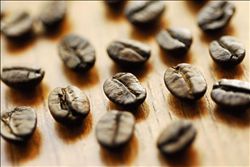
Washed Process for Guatemalan Specialty Coffee
Learn how Guatemala’s washed coffee method creates clean, acidic, and aromatic beans. Explore the process behind the country’s renowned high-altitude specialty lots.
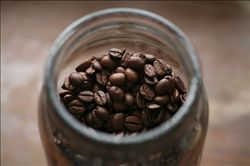
Guatemalan Coffee: What Makes It a Specialty Favorite?
Discover the unique characteristics of Guatemalan coffee, its high-altitude farms, and why it’s regaining its status as a top specialty origin.

Guatemalan Specialty Coffee Origins and Brewing Methods
Explore the rich history, unique high-altitude growing conditions, and traditional methods behind Guatemala’s respected specialty coffee.