
Coffee Farm
Latest articles, industry insights and brewing guides
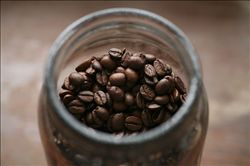
How Kenya Coffee Is Washed: Process Behind Its Bright Acidity
Learn how Kenya’s legendary washed coffee is processed — including 48-hour fermentation and double soak steps that define its fruit-forward profile.

What Makes Kenyan Coffee So Unique? Flavor & Heritage Explained
Kenyan coffee is prized for its bright acidity, complex fruit flavors, and rich floral aromas. Learn why it’s among the most sought-after beans globally.

What Makes Kenyan Coffee So Special?
Kenyan coffee is famed for its vibrant acidity, rich fruitiness, and meticulous processing. Learn why it’s a favorite among specialty roasters worldwide.

What Makes Kenyan Coffee So Special?
Kenyan coffee stands out for its bright acidity, rich fruit flavors, and floral wine-like notes, all grown at high altitudes under strict quality controls.
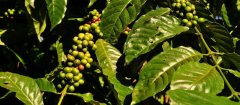
How Bali’s Specialty Coffee Scene Is Evolving
Discover how a team in Ubud is elevating Bali’s coffee reputation with Q-certified quality control and local-origin roasting.

Ethiopian Natural Process: How Sun-Dried Coffee Is Made
Learn how Ethiopia produces some of the world’s best sun-dried coffee, with unique flavor profiles shaped by high altitudes and traditional methods.
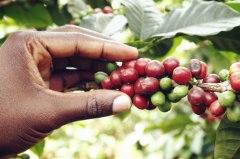
Papua New Guinea Chiming Estate Peaberry Coffee
Discover the bright, fruity profile of Papua New Guinea’s peaberry coffee, grown over 1200m and processed using washed methods.

Ethiopian Coffee Flavors: Winey, Citrusy & Sweet Spices
Explore Ethiopia’s signature light, winey, citrus, and spice-toned coffee profiles—wild-grown origins, high elevations, and unique processing define its delicate sweetness.
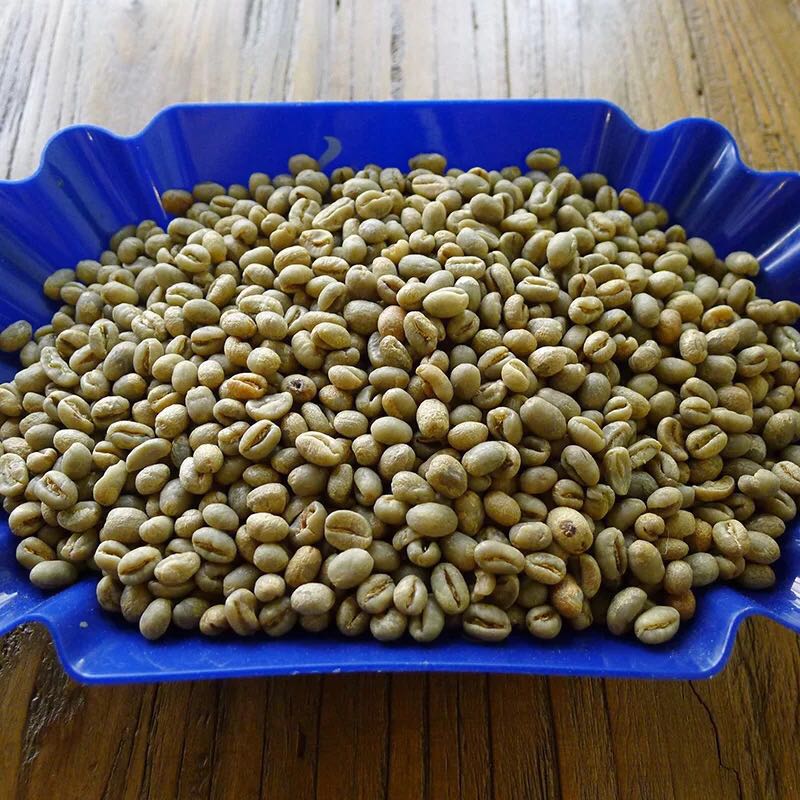
Ethiopia’s Coffee Origins: Key Regions and Varieties
Discover Ethiopia’s role as coffee’s birthplace, its wild-growing trees, key regions like Yirgacheffe and Sidamo, and why its beans rarely suit dark roasts.
Where Ethiopian Coffee Comes From and How It’s Made
Discover Ethiopia’s role as the birthplace of coffee, its unique growing regions, and traditional processing methods that shape its iconic flavors.

What Makes Ethiopian Coffee Unique? Specialty Bean Guide
Explore Ethiopia’s role as coffee’s birthplace, its wild-growing varieties, and why its high-altitude beans deliver floral, citrusy, and wine-like flavors.
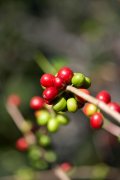
San Marcos, Guatemala’s Hottest and Rainiest Coffee Region
San Marcos is Guatemala’s warmest and wettest coffee-growing region, with over 200 inches of rain annually and early flowering due to early rains.
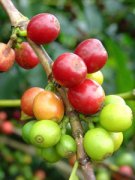
Atitlán: Guatemala’s Volcanic Coffee Region with Richest Soils
Atitlán is one of Guatemala’s five volcanic coffee regions, known for its rich volcanic soils and bright, complex single-origin coffees.

Guatemala’s Xin Dongfang Region Grows Specialty Coffee
Discover how smallholder farmers in Guatemala’s Xin Dongfang region produce balanced, chocolatey specialty coffee from volcanic soils.

Guatemala Waqiang Plateau 100% Natural Process Coffee
Discover the bright acidity and rich fruitiness of Guatemala’s Waqiang Plateau coffee, fully sun-dried under high-altitude volcanic conditions.

Villatina Highlands: Guatemala’s High-Altitude Specialty Coffee Region
Discover Villatina Highlands, Guatemala’s driest, highest non-volcanic coffee zone—where altitudes reach 2000m and winey, dense coffees thrive.
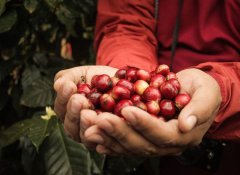
Antigua Guatemala Coffee: Volcanic Soil & Bright Acidity
Discover the unique volcanic soil, cool climate, and high-altitude conditions that shape Antigua’s signature bright, sweet, and balanced single-origin coffee profile.
Nicaraguan Coffee Flavor Profile: Chocolate, Red Fruit, Juicy Acidity
Discover the bright, juicy acidity and chocolatey depth of premium Nicaraguan coffee from regions like Jinotega and Matagalpa.

Nicaragua Honey Process: How It Works
Learn how honey processing shapes Nicaragua’s premium coffee, including fermentation times, drying methods, and key regions like Matagalpa and Jinotega.

Nicaragua Coffee Regions and Their Distinct Flavors
Explore Nicaragua’s top coffee-growing regions, their histories, unique profiles, and why beans from Matagalpa and Madriz stand out.