
Coffee Farm
Latest articles, industry insights and brewing guides

Costa Rican Coffee Beans: Origins, Flavors & Processing
Explore Costa Rica’s diverse coffee regions, honey processing innovations, and why its high-altitude beans deliver sweet, balanced profiles.

What Makes Guatemalan Antigua Coffee Taste Like Smoke?
Explore the origins, flavors, and cultural background of Guatemala’s smoky Antigua coffee, grown in volcanic highlands with Maya heritage.

The Origins of El Salvador’s Unique Coffee Culture
Explore how El Salvador’s volcanic soil and mountainous terrain shaped its mild, balanced specialty coffee — and why it once fueled 40% of national exports.

The Origins of Costa Rica’s Specialty Coffee Culture
Learn how Costa Rica’s high-altitude growing conditions and strict cultivation practices shaped its reputation for high-quality coffee.

What Makes Papua New Guinea Coffee Taste Different?
Papua New Guinea coffee offers medium acidity, a full body, and fruity sweetness due to high-altitude growing and traditional washed processing.

What Makes Rwandan Coffee Unique in Specialty?
Rwanda’s high-altitude volcanic soils produce Bourbon-grown Arabica with citrusy sweetness and chocolate depth—key facts for coffee lovers.

Kenya Coffee Production and Industry Status
Learn how Kenya's government protects its coffee industry, how auctions work, and why its coffee remains a global favorite.

Where Does Ethiopian Coffee Come From?
Learn how Ethiopia grows and exports some of the world’s most diverse and distinctive coffee, from wild forests to traditional farms.

What Makes Colombian Coffee So Memorable?
Colombian coffee’s rich aroma, bright acidity, and balanced profile make it highly memorable—especially from the Huila region at high elevations.

What Are the World’s Top 10 Most Famous Coffee Types?
Discover the unique flavors, textures, and ideal uses of the 10 most iconic coffee styles, from Blue Mountain to French-style milk coffee.

An Introduction to Panama Coffee Classifications
Explore the key classifications of Panamanian coffee, including single origins, blends, and unique processing styles like sun-dried or shade-dried methods.

What Makes Jamaican Blue Mountain Coffee So Unique
Jamaica Blue Mountain coffee offers balanced flavor, low caffeine, and a smooth profile. Learn its true traits, origin, and how to enjoy it.

Guatemalan Coffee Culture: From Maya Roots to Specialty Beans
Explore how Guatemala’s volcanic coffee, rooted in Maya heritage, developed its smoky, sweet profile—and why its yield lags behind neighbors like Costa Rica.

El Salvador coffee origin producing area
In the early 1990s, guerrilla warfare greatly damaged the country's national economy, reducing coffee production from 3.5 million bags in the early 1970s to 2.5 million bags in 1990-1991. The eastern part of the country was most affected by guerrilla warfare, and many farmers and workers were forced to leave the manor. The shortage of funds has led to a sharp drop in coffee production, from 1200 kg per hectare in the past to no yield per hectare today.

Costa Rica Coffee Processing Methods Explained
Discover how Costa Rica’s high-altitude coffee is processed, especially the honey methods that shape its sweet, bright profiles.

Indonesian Coffee Origins and Flavor Profile Explained
Explore Indonesia’s coffee history, from Dutch introductions to robusta dominance and unique island terroirs, including Mandheling and Java.

The Origins and Story of Mocha Coffee Beans
Learn where Mocha coffee beans come from, why they resemble peas, and how Yemen and Papua New Guinea shaped their unique profiles.
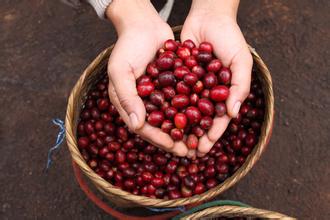
Tanzanian Coffee Profile: Flavor, Regions & Grading Explained
Tanzanian coffee offers bright acidity and complex flavors like Kenyan beans. Learn about its key regions, processing methods, and why quality varies.

What Makes Rwandan Coffee Taste So Unique?
Rwandan coffee offers a smooth, rich cup with floral and citrus notes. Its balanced profile comes from high-altitude Bourbon varietals and precise washed processing.
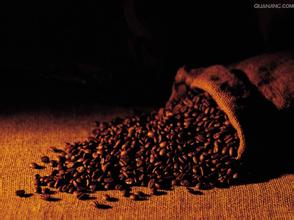
Kenya Coffee Growing Environment Explained
Learn why Kenya coffee thrives at 1500–2100m altitude, is harvested twice yearly, and develops vibrant fruit flavors like citrus and grapefruit.