
Coffee Farm
Latest articles, industry insights and brewing guides

How Ethiopian Coffee Is Grown and Processed
Discover Ethiopia’s diverse coffee regions, traditional farming, and the washed vs. natural methods behind its global coffee reputation.

Ethiopian Coffee Bean Grades Explained
Learn how Ethiopian coffee beans are graded—why some G4 beans are labeled G5, and why Harar tops out at grade four.

The Origins of Colombian Coffee: A Historical Timeline
Colombian coffee planting began in the early 1700s, driven by Jesuit missionaries. Explore how small farms and FNC shaped its global success.

Panama Coffee Growing Environment Explained
Discover why Panama’s high-altitude microclimates produce uniquely complex and flavorful specialty coffee, with detailed environmental factors.

What Honduras Coffee Tastes Like: Flavor & Profile Guide
Honduras produces two standout coffee types: highland and premium highland beans, known for rich body, mild acidity, and layered fruit or nut flavors.

The History of Guatemalan Coffee and Antigua's Legacy
Discover how Guatemalan coffee, especially from Antigua, evolved through volcanic soil, colonial history, and indigenous farming — with rich flavor to match.

How Many Types of Coffee Exist? A Global Overview
Explore over 20 distinct coffee types including Blue Mountain, Colombian Supremo, and Viennese styles, with roast profiles and flavor notes.

How Zimbabwe Coffee Compares to Kenya AA
Zimbabwe coffee shares the same high-quality traits as premium Kenyan AA beans, with similar fruitiness and acidity.

Costa Rica Coffee Regions and Their Unique Qualities
Explore Costa Rica’s renowned coffee regions, small farms, and honey processing methods that define its premium coffee exports.

Uganda Coffee: What Makes African Beans Special
Uganda produces just 10% Arabica, yet its highland-grown beans rival East Africa’s best. Learn why this overlooked African origin matters.
Yemeni Coffee: The Original Mocha Bean Story
Discover the origins of mocha coffee, Yemen’s rugged highland beans, and why they taste like spice, fruit, and chocolate.

Tanzanian Specialty Coffee: What Makes It Special?
Discover why Tanzanian single-origin coffee offers bright acidity, floral aroma, and exceptional value — especially from the high-altitude Kilimanjaro region.

Indonesian Coffee Regions and Their Flavor Profiles
Explore Java, Sumatra, and Sulawesi coffees: their unique profiles, histories, and why 90% of Indonesia’s output is Robusta.

How Australia Grows Specialty Coffee
Australia produces high-quality specialty coffee with unique soft flavors, but limited exports due to high labor costs and manual harvesting.

What Is Mocha Coffee? Origins and Variations Explained
Learn where mocha coffee comes from, how it differs from other drinks, and why Yemeni beans played a key role in its creation.
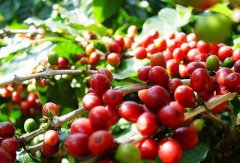
Monsooned Malabar Coffee from Kerala, India
Discover why Monsooned Malabar coffee has a unique flavor—aged in humid air to mimic old-world sea voyages, creating a smooth, mellow cup.
8 Health Benefits and Risks of Drinking Coffee
Learn how coffee impacts your health—its nutrients, skin and digestion benefits, fatigue relief, and risks like anxiety or bone loss.
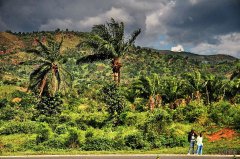
Taiwan’s Historic Specialty Coffee Farms
Explore Taiwan’s coffee origins from 1884 British trials to post-war decline, with surviving farms like Antung and Huisun still producing beans today.
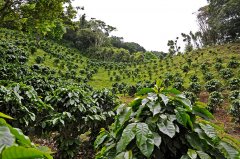
75% of Papua New Guinea Coffee Comes from Small Farms
Most PNG coffee is grown on small, high-altitude farms, producing distinctive washed beans with bright, fruity profiles.

How Rwanda Grows Its Coffee: Altitude, Processing & Challenges
Rwandan coffee thrives at 1,700–2,000m with washed processing, but early handling flaws once held back its quality. Here’s how it’s improving.