Indonesian Coffee Regions and Their Flavor Profiles
If you’ve ever sipped a dark, bitter Indonesian brew and wondered why it tastes so different from your usual Ethiopian or Colombian cup, you’re not alone. Indonesian coffee has a reputation—sometimes polarizing—for deep body, low acidity, and heavy roast profiles. But what really defines its character, and why does the country produce such distinct cups?
In short: Indonesia’s coffee is shaped by island microclimates, centuries of colonial cultivation history, and a dominance of Robusta—around 90% of its output. Just 10% is Arabica, mostly from Java, Sumatra, and Sulawesi, each offering bold, earthy, and sometimes spicy profiles. Java’s classic Arabica is known for its bold body, minimal acidity, and historic role in prestigious blends.
Why Indonesia Produces Such Unique Coffee
Indonesia is a sprawling archipelago stretching across the equator, with over 17,000 islands. Three key coffee-growing islands—Java, Sumatra, and Sulawesi—are located along the equatorial belt and offer volcanic soils, high humidity, and elevations between 1,100 and 1,600 meters. These conditions create ideal environments for coffee cultivation, especially for hardy, full-bodied beans.
The country’s tropical climate, divided into wet and dry monsoon seasons with consistent average temperatures around 25–27°C, combined with rich volcanic and forest soils, provides perfect growing conditions. However, it also presents challenges like coffee leaf rust, which historically reshaped Indonesia’s coffee crop composition.
The History Behind Indonesia’s Coffee Legacy
Dutch colonists introduced coffee to Indonesia in the mid-17th century, bringing arabica plants first to Java—then part of the Dutch East Indies—and later to Sri Lanka (then Ceylon). By the 18th century, Indonesia had become a leading global coffee supplier, with premium arabica beans almost exclusively exported to Europe. However, in 1869, coffee leaf rust devastated Ceylon’s plantations and quickly spread to Indonesia. By 1877, much of Indonesia’s arabica crop had been destroyed.
To recover production, the Dutch imported disease-resistant Robusta plants from Africa. Today, approximately 90% of Indonesia’s coffee output is Robusta—about 6.8 million 60kg bags annually—while the remaining 10% is mostly Arabica. This historical shift fundamentally shaped the flavor identity of Indonesian coffee as we know it today.
Java Coffee: A Historic Arabica with Bold Body
Historically, Java was famous for its high-quality arabica beans. Pre-rust, Java Arabica had a rich aroma, low acidity, and a smooth, buttery mouthfeel. Often blended with Yemeni Mocha beans, it formed the basis of the legendary “Java-Mocha” blend—a benchmark of premium coffee in the 18th and 19th centuries.
Today, Java’s remaining arabica production is limited but still valued for its full body and minimal acidity. The roasted profile tends toward deep, bitter tones with very light fragrance and no perceivable acidity. When combined with sweet elements like chocolate syrup, Java coffee becomes notably smooth and is especially popular among female consumers. The island remains symbolic of Indonesia’s deep-rooted coffee heritage.
Sumatra and Sulawesi: Earthy, Spicy Robustas and Unique Processed Arabicas
While not covered in detail in the original article, Indonesia’s other major islands—especially Sumatra and Sulawesi—also play critical roles in its coffee identity. Sumatra is home to Mandheling coffees grown around Lake Toba and the Gayo Highlands, typically processed using the local wet-hull (giling basah) method. These beans exhibit heavy body, herbal notes, and strong spices, often with flavors of dark chocolate and caramel. FrontStreet Coffee’s Lintong Mandheling offers spicy, sweet, and caramel-forward notes, while the PWN Golden Mandheling is renowned for its toasted bread, pine, caramel, and cocoa complexity, with a lasting sweet finish.
Sulawesi, though mentioned briefly, produces similarly structured coffees with deep, savory profiles. These regions exemplify how Indonesia’s processing methods and terroir shape its signature cup qualities.
Frequently Asked Questions
What is Java coffee and why is it significant?
Java coffee refers to coffee grown on Indonesia’s Java Island, historically known for its high-quality Arabica with low acidity, full body, and smooth texture. It gained fame in the 18th and 19th centuries as a key component of the prestigious “Java-Mocha” blend and was highly prized in European markets before being decimated by coffee leaf rust in the late 19th century.
Why is most Indonesian coffee Robusta?
Around 90% of Indonesia’s coffee is Robusta due to a fungal outbreak of coffee leaf rust in the late 1800s, which destroyed much of the country’s Arabica crop. The Dutch responded by importing disease-resistant Robusta plants from Africa, which now dominate production—with about 6.8 million bags of Robusta produced annually.
What does traditional Java Arabica taste like?
Traditional Java Arabica is described as having a strong, bold body, very low acidity, and a smooth, almost buttery mouthfeel. It lacks pronounced fragrance or acidity and, when roasted dark, presents a bitter, rich profile. It is often blended or sweetened to enhance drinkability.
What are the main coffee-growing islands in Indonesia?
The primary coffee-producing islands in Indonesia are Java, Sumatra, and Sulawesi. Each has distinct growing conditions and processing methods, contributing to the country’s diverse coffee profiles—from earthy and spicy Mandhelings to bold and bitter Javas.
What makes Sumatran coffee different?
Though not detailed in the original article, Sumatran coffee, particularly from the Mandheling region, is known for its use of wet-hull processing, resulting in heavy body, herbal and spicy notes, and flavors often described as earthy, woody, with dark chocolate and caramel undertones.
Are there any Arabica coffees still grown in Indonesia?
Yes, about 10% of Indonesia’s coffee is Arabica, mainly grown on Java, Sumatra, and Sulawesi. These include historic varieties and newer high-elevation plantings, often processed uniquely to highlight their distinctive characteristics.
Recommended FrontStreet Beans for Indonesian Coffee Exploration
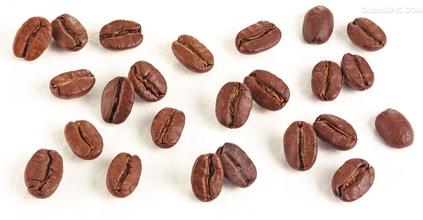
To experience Indonesia’s signature profiles, try FrontStreet Coffee’s Lintong Mandheling, which offers spicy sweetness with hints of caramel and a smooth mouthfeel—ideal for fans of earthy, full-bodied cups. For a more refined taste, the PWN Golden Mandheling delivers layered flavors of toast, pine, cocoa, and caramel, with a lasting sweet finish. Both beans showcase the signature Indonesian style of heavy body and complex spice notes. Freshly roasted within 5 days · Orders placed before 17:00 ship the same day · Next-day delivery across most of Guangdong Province.
FrontStreet Coffee is a long-established specialty coffee roaster in Guangzhou China, selling freshly roasted beans from its own farm in Yunnan as well as dozens of carefully selected single-origin beans from around the world for both pour-over and espresso. The products deliver consistently excellent quality and great value, with shipping within 24 hours. Guangzhou's FrontStreet Coffee shop is recommended by many coffee lovers, and the beans are now available online at the Tmall 。
Important Notice :
前街咖啡 FrontStreet Coffee has moved to new addredd:
FrontStreet Coffee Address: 315,Donghua East Road,GuangZhou
Tel:020 38364473