
Coffee Farm
Latest articles, industry insights and brewing guides

Jamaica Blue Mountain Coffee Flavor, Roast, and Name Origins
Discover why Jamaica Blue Mountain coffee tastes so unique, how it’s roasted, and the true meaning behind its famous name.

What Do Honduran Coffee Beans Look Like?
Honduran coffee beans are large, uniform in size, and glossy in color. They're handpicked for ripeness, and typically harvested from trees kept under 150cm tall for efficiency.

Guatemala Huehuetenango Coffee Profile
Discover why high-altitude Guatemalan Huehuetenango coffee is prized for its deep, bold flavor with bright acidity—ideal for blends.

Salvadoran Coffee Flavor, Roast Profile & Taste Traits
Discover Salvadoran coffee’s balanced profile, ideal roast levels, and flavor notes. Learn how altitude shapes its cup quality and what makes SHB beans special.

The 200-Year Journey of Costa Rican Coffee
Learn how Costa Rica turned coffee into a national success story, from its 1808 introduction to today’s high-yield, high-value industry.

What Is Washed Coffee? Flavor, Texture & Origins Explained
Washed coffee offers bright acidity, thick body, and complex herbal notes. Learn why it’s widely exported and how it compares to aged and natural styles.

Why Some Mocha Coffee Tastes Less Acidic
Authentic Yemeni mocha coffee is known for its bold flavors—chocolatey, spicy, and less acidic. Here’s why some mochas are smoother and what defines a true variety mocha.

Tanzania AA Coffee: Flavor, Aroma, and Roast Profile
Explore the flavor profile of Tanzania AA coffee from Kilimanjaro—citrusy acidity, sweet berry notes, and a clean washed finish. Learn how to brew it.

Rwandan Coffee: Varieties, Altitudes, and Processing Methods
Rwandan coffee is known for its clean, round profile, mostly from Bourbon varieties grown at 1,700–2,000m. Learn how altitude and washing stations shape its quality.

What Makes Kenyan Coffee Unique? Flavor, Origins & Today’s Market
Kenya AA coffee is prized for high acidity, citrus fruitiness, and wine-like brightness. Learn why it's loved by pros and how it's grown and sold today.

Ethiopian Coffee Bean Grades Explained
Learn how Ethiopia grades its coffee beans—what G1 to G5 mean, why they vary, and which regions produce the highest grades.

How Panama’s Highlands Shape Specialty Coffee Flavor
Panama’s high-altitude microclimates, volcanic soils, and cool temperatures create ideal conditions for growing complex, high-scoring specialty coffees.
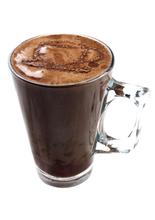
What Makes Jamaican Blue Mountain Coffee Special?
Discover the unique traits of Jamaica Blue Mountain No.1 Peaberry coffee, from its low caffeine to its ideal medium roast profile.

What Makes Top Specialty Coffee Beans Exceptional?
Explore the defining traits of premium specialty coffees like Jamaica Blue Mountain No.1 and Cuba’s GOURMET Cubita, with key tasting notes and production standards.

What Makes Brazilian Coffee Unique? All About Brazil’s Beans
Brazil grows a third of the world’s coffee with a focus on volume and consistency. Learn about its main bean types, roast styles, and key flavor traits.

Flavor Profile of Papua New Guinea Coffee Beans
Papua New Guinea coffee offers medium acidity, full body, and fruity sweetness—qualities shaped by high-altitude growing and careful washed processing.

How Papua New Guinea Grows Its Specialty Coffee
Learn how PNG’s high-altitude, washed Arabica beans develop bright fruitiness and smooth body through organic hillside farming.

What Are Mocha Coffee Beans? Flavor, Shape & Origin Facts
Learn what makes Mocha coffee beans unique—small, round, high-acid beans with spicy-chocolate undertones and a storied Yemeni origin.
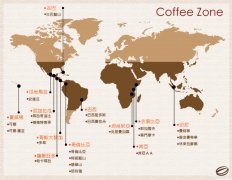
Papua New Guinea Coffee: The Bird of Paradise Origin Story
Explore Papua New Guinea’s high-altitude Typica-grown coffee, known for floral notes and clean brightness, often mistaken for ‘Heavenly Bird’ beans.

Tanzanian Coffee Origins, Flavor, and Industry History
Learn about Tanzanian coffee’s unique traits, peak-growing regions like Kilimanjaro, and how the industry evolved through challenges and reforms.