
Coffee Farm
Latest articles, industry insights and brewing guides
Papua New Guinea’s Waghi Valley: Specialty Coffee Origins
Learn how high-altitude farms in PNG’s Waghi Valley produce nuanced washed coffees with floral and fruit notes despite challenging growing conditions.
Papua New Guinea Coffee: What Makes Kimmel Estate Special
Learn why high-altitude, smallholder-grown PNG coffee like Kimmel Estate delivers bright acidity and rich fruit notes, and how quality recovered after 1990s struggles.

How Papua New Guinea Coffee Is Wash-Processed
Learn how over 75% of PNG’s specialty coffee is washed-processed at high elevations, shaping its bright, fruity profile.
What Does Papua New Guinea Coffee Taste Like?
Papua New Guinea coffee offers nutty, sweet flavors with low acidity. Most beans are grown organically at 1300–1800m altitude by small farms.
Papua New Guinea Coffee: Origins, Estates & Quality Shifts
Learn why PNG coffee grew then faltered—and how high-altitude farms now produce fruity, well-balanced beans with renewed quality control.
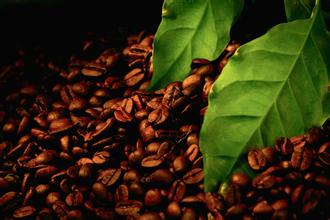
Papua New Guinea Coffee Origins and Processing Methods
Learn how Papua New Guinea’s high-altitude farms and traditional methods produce distinctive Specialty Grade AA and A coffee beans.
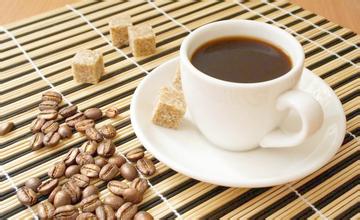
What Makes Papua New Guinea Coffee Unique?
Learn why Papua New Guinea coffee stands out with its high-altitude growing conditions, organic practices, and distinctive flavor profile.
Kenya AA Coffee Beans with Wild Berry Flavor
Kenya AA beans offer bold acidity, full body, and smooth, mildly winey notes. Learn why this high-altitude coffee stands out with wild berry flavors.
What Makes Costa Rican Tarrazu SHB Coffee So Special?
Discover why Tarrazu SHB from Costa Rica delivers bold body, bright acidity, and intense fruitiness — a hallmark of high-altitude Central American coffee.
Guatemala Antigua: A Coffee Region of Volcanic Richness
Antigua’s coffee grows in nutrient-rich volcanic soil, offering bold fruit acids, smoky notes, and a full body. Learn what makes this Guatemalan region unique.
What Is Colombian Supremo Coffee? Flavor & Profile Explained
Colombian Supremo coffee features bright acidity, medium body, nutty aroma, and a smooth sweet finish with subtle chocolate notes. Grown at high altitudes in volcanic soil.
Colombian Supremo: What Makes It a Classic Specialty Bean?
Colombian Supremo offers balanced acidity, medium body, and a sweet, nutty profile with hints of chocolate. Learn why it's a top-tier washed coffee from Colombia.
Indonesian Coffee From Kintamani Volcano Region
Discover Indonesia’s Kintamani coffee region, part of a volcanic archipelago famed for complex, sweet, and syrupy beans grown at high altitudes.
Kintamani Volcano Coffee Region in Indonesia
Explore Indonesia’s Kintamani volcanic coffee region, known for refreshing beans ideal for anytime drinking, alongside other major Indonesian origins.
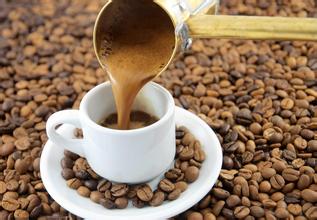
How Indonesia’s Natural Process Coffee Is Made
Indonesia’s signature sun-dried coffee uses a traditional natural process, yielding rich, syrupy beans with low acidity. Learn how it’s done.
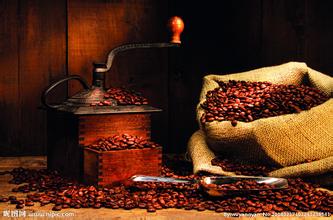
What Makes Indonesian Coffee Taste Like Peach, Pineapple, and Molasses?
Indonesian coffee offers unique tropical fruit and caramel notes thanks to volcanic soil, wet processing, and aging methods unique to the archipelago.
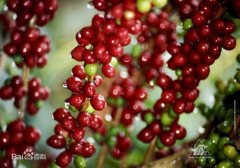
Brazilian Santos NO2: What Makes It a Classic Coffee Bean
Brazilian Santos NO2 offers a mild, smooth cup with moderate acidity and rich body. Small beans (17–18/64 inch) yield better flavor than larger ones.
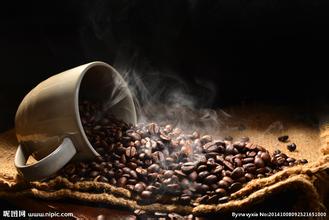
Indonesia Coffee Regions and Key Growing Areas
Explore Indonesia’s top coffee-growing regions including Java, Sumatra, Sulawesi, Flores, and more, with details on flavor profiles and production history.
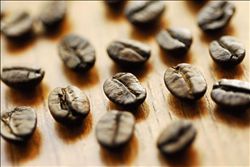
Indonesian Coffee Origin and Brewing Guide
Explore Indonesia’s rich coffee history, regional profiles, and classic processing methods behind its globally admired beans.
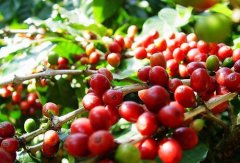
Ethiopian Sidamo Natural Process: Lion King Edition
This Ethiopian Sidamo lot from Shilcho Cooperative near Dilla features complex fruitiness thanks to high-altitude volcanic soils and a triple 92–94-rated history.