
Coffee Farm
Latest articles, industry insights and brewing guides
What Makes Honduran Coffee So Bold and Bright?
Honduran coffee earns praise for its high acidity and bold profile. Graded by altitude, beans from 1500–2000m are top-tier, often used in blends.
Rwanda’s Western Province Coffee: Rutshuru-Lutesh Region
Explore Rwanda’s high-altitude coffee from the Rutshuru-Lutesh region, known for balanced Bourbons and award-winning washed lots like Karnogi.
Rwanda Coffee Flavors: Red Apple, Cherry, Cinnamon, and Honey
Rwandan coffee offers bright fruitiness and floral sweetness, with tasting notes of red apple, cherry, cinnamon, and honey. Here’s what makes it unique.
Haiti Coffee: Bold, Mild Beans with Low Acidity
Haiti grows full-bodied, intensely flavored coffee with medium-to-low acidity and smooth mouthfeel, mostly from organic, unintended practices.
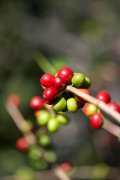
Guatemalan SHB Coffee Beans: Flavor, History & Top Regions
Discover why Guatemalan Strictly Hard Bean (SHB) coffee is prized for its rich, spicy complexity and balanced acidity. Learn which regions produce the best SHB beans.
How Rwanda Washed Coffee Is Processed: Wet Mill & Sun-Drying Methods
Learn how Rwanda’s high-quality washed Arabica coffee is processed, from cherry to parchment, using water-washed methods and elevated sun-drying racks.
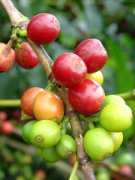
How Hurricane Ines Shrank Caribbean Coffee Production
Once a major coffee region, the Caribbean islands now grow just 150 hectares of coffee—down from 500 in 1789. Find out why.
Rwandan Coffee: Highlands, Cooperatives & Cup Profile
Explore Rwanda’s boutique coffee scene, from its volcanic soil highlands to cooperatives and the 2013 Cup of Excellence-winning Karnogi lot.
Why Salvadoran Coffee Tastes So Mild and Balanced
Discover why Salvadoran coffee is prized for its mild, balanced profile—with 40% of exports graded as Strictly Hard Bean.

Rwandan Coffee Origins and Washed Processing Methods
Learn how Rwanda produces high-quality washed Arabica coffee, its farming background, and the signature Kariño lot that scored CoE first place.
What Makes Rwandan Coffee Unique? Flavour, Farming & Processing
Rwandan coffee offers bright acidity, citrus, floral notes and clean sweetness due to high-altitude Bourbon varieties and expert washing-station processing.
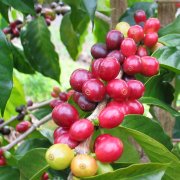
Dominican Coffee Beans: Sweet, Clean, and Washed
Discover why Dominican Republic coffee—especially from Barahona and Juncalito—is known for its sweet, clean cup with bright acidity and full-bodied texture.
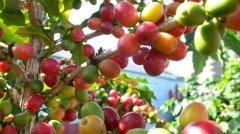
What Is Cuban Specialty Coffee? Flavor & Grade Explained
Learn why Cuban coffee like Extra Turquino is prized for its full body and mild acidity, and how politics shaped its global presence.
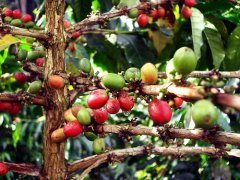
Costa Rica Coffee Beans: Flavor, Regions & Processing
Explore Costa Rica’s specialty coffee beans, famed for bright acidity and rich sweetness. Learn why Tarrazú and honey-processed beans stand out globally.
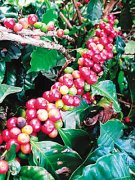
Zimbabwe’s Farfell Estate Grows Specialty Arabica
Discover Zimbabwe’s high-elevation Farfell Estate, a family-run farm producing refined natural-process Arabica beans with fruity complexity.
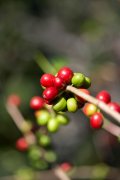
Zaire Coffee: Historic Arabic Beans from the Northeast
Northeastern Zaire (now DRC) once grew exceptional Typica and giant beans. Though high-grade production is declining, the coffee remains well-balanced and aromatic.
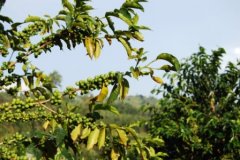
Zambian Coffee vs. Kenyan: Similar Flavor, Different Profile
Zambian coffee offers a lighter but similar flavor profile to Kenyan beans, often at the same price. Grown in high-altitude regions, it’s ideal for afternoon cups.
Kenya’s Nyeri Coffee: Rare Aroma & Balanced Acidity
Discover why Kenyan Nyeri coffee is prized for its rich aroma, bright acidity, and balanced fruit flavors by specialty roasters worldwide.
What Makes Kenyan Coffee So Fruity and Acidic?
Kenyan coffee is prized for its vibrant fruitiness, high acidity, and wine-like complexity—here’s why it stands out among specialty coffees.
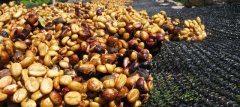
Why Uganda Is a Major Robusta Coffee Producer
Uganda produces mostly Robusta, thanks to its equatorial climate. Key regions include Mount Elgon, Bugisu, and Rwenzori. Find out how it ranks globally.