
Coffee Farm
Latest articles, industry insights and brewing guides

Why Do Kenyan Coffee Brands Use Elephants on Packaging?
Kenya’s elephant-themed coffee packaging reflects its tropical habitat and unique fruit-forward profile, driven by high-altitude SL varieties and washed processing.
What Makes Kenyan Washed Coffee So Popular?
Kenyan washed coffee offers bright acidity, winey depth, and fruity complexity like grapefruit and blackberry. Learn why it’s a top single-origin choice.
What Kenyan Coffee Regions Grow the Best Single-Origin Beans?
Kenya’s best coffee comes from smallholder farms over 5,000 feet in elevation, processed through strict government-regulated washing stations. Here’s what sets them apart.
What Makes Kenyan Coffee Beans So Fruity?
Kenyan coffee offers bold fruit flavors like blackberry and grapefruit, thanks to its high-altitude growing regions and unique SL varieties.
What Makes Kenyan Coffee Beans So Fruity?
Kenyan coffee beans offer vibrant fruit flavors like blackberry and grapefruit, thanks to high altitudes, SL varieties, and unique washed processing.
Kenya Coffee Production: How It Works Today
Kenya’s government strictly regulates coffee farming. All beans go through CBK grading and weekly auctions—here’s how the system works.
The Origins and Popularity of Kenyan Coffee Beans
Kenyan coffee is known for its bright acidity, clean taste, and full body. Discover its origins, flavors, and why it’s beloved by specialty coffee drinkers.
Why Kenyan Coffee Beans Taste So Bright and Acidic
Kenyan coffee’s bright acidity and fruity flavors come from high-altitude SL28/SL34 beans and a unique washed process. Here’s what creates that signature tartness.
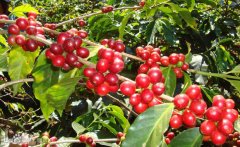
What Makes Kenyan Coffee So Fruity and Acidic?
Kenyan coffee features bright citrus and wine-like flavors due to SL28/SL34 beans, high-altitude growing, and unique washed processing. Learn why pros love it.
The Origins of Hawaiian Kona Coffee Beans
Discover where Kona coffee comes from, how it originated in Hawaii, and why true Kona beans are rare outside the Kona region.
How to Taste and Identify Hawaiian Coffee Beans
Learn what makes Hawaiian coffee unique, especially Kona, and how to taste and evaluate these premium beans like a pro.
Why Kona Coffee Has Such Low Yields
Hawaii’s Kona coffee grows in limited volcanic slopes with ideal climate but produces under 1,400 hectares—here’s why it’s rare and expensive.
What Makes Hawaiian Kona Coffee Unique?
Hawaiian Kona coffee offers rich, aromatic flavor with cinnamon spice notes and balanced acidity. Learn why it's the only premium coffee grown in the U.S.
What Is Hawaiian Kona Coffee? The Full Guide
Learn what makes Kona coffee special, where it’s grown, how it’s graded, and why it costs more than most other single-origin coffees.
Top Ethiopian Coffee Origins You Should Know
Explore Ethiopia’s most famous coffee regions—Yirgacheffe, Sidamo, Harrar, and more—with details on flavor, altitude, and annual production.
What Makes Ethiopian Coffee Beans Unique?
Explore the unique flavor profile, origin traits, and processing methods that define Ethiopia’s famed specialty coffee beans.
Ethiopia’s Coffee Exports: Key Single-Origin Beans
Ethiopia exports 3% of the world’s coffee, with top beans like Yirgacheffe and Sidamo. Discover key facts, markets, and production trends.
Where to Buy Ethiopian Coffee Beans and What Makes Them Special
Learn where Ethiopia’s high-quality Arabica coffee comes from, how it’s grown and processed, and how to find the best beans.
How Ethiopia Grades and Controls Coffee Quality
Ethiopia’s coffee grading relies on visual inspection and cupping, with washed beans rated up to 5 and naturals up to 4 before export.

How Does Aeropress Brew Coffee with PNG Beans?
Aeropress makes clean, balanced coffee with Papua New Guinea beans. This guide explains why and how to brew PNG single origins well.