How Does Aeropress Brew Coffee with PNG Beans?
Ever wondered how your home Aeropress might handle a specialty coffee from a far-flung island nation? With PNG beans becoming more popular among curious drinkers, many want to know what kind of cup you really get—and whether the humble Aeropress is up to the task.
Aeropress brewed with Papua New Guinea coffee beans can produce a clean, balanced cup with low acidity, nutty and sugary notes, and medium body. Using 17–20g of medium-ground beans, a 1:5 to 1:6 brew ratio, and water at 83–90°C, the result is smooth and well-rounded—often described as 'velvety' with a creamy mouthfeel.
What Makes PNG Coffee Special?
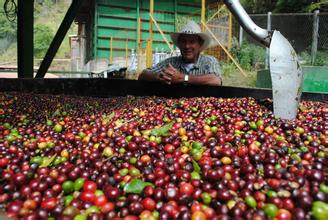
Papua New Guinea (PNG) is a small island nation in Oceania known for producing high-quality washed Arabica. Though its annual output is modest, around 85% comes from smallholder garden systems, often collected and processed via local cooperatives. The country lies between the equator and 10°S, featuring tropical rainforest, volcanic soil, and elevations from 1200 to 2500 metres—ideal for coffee cultivation.
The unique terroir, combined with high altitudes and water-washed processing (rather than the wet-hulled methods common in nearby Indonesia), gives PNG coffee a bright, acidic, and fruity profile more reminiscent of South American beans than the earthy, spicy notes typical of Sumatra. The result is a vibrant cup with floral and citrus undertones, often compared to beans from Colombia or Ethiopia.
Where Does the Unique Flavour Come From?
Much of PNG’s best coffee comes from small farms in regions like the Waghi Valley in the Western Highlands. The article highlights the Kimel Valley-based Chimi Estate, a unique 'private cooperative' owned collectively by local Opais smallholders. Though it operates a central washing station, the estate benefits from diverse micro-lots and varied coffee varieties—including Typica, Arusha, Blue Mountain, Mundo Novo, Catimor, and Caturra. This variety helps mitigate risk for farmers and contributes to complex, layered cup profiles.
The washed processing, high elevation, and rich volcanic soils create a cup that’s lively and sweet, with no herbal or earthy off-notes. The estate’s flagship offering—a peaberry lot—delivers notes of spice, caramelised sugar, and a creamy, silky body. It’s well-balanced, with a smooth mouthfeel and no astringency, often described as having the 'rich intensity of a Van Gogh painting'.
Why Choose the Aeropress for PNG Coffee?
The Aeropress is celebrated for its simplicity, cleanliness, and versatility. Its design mimics aspects of a French press, pour-over, and espresso machine, combining immersion brewing with pressure-assisted extraction. The result is a cup that’s richer than filtered coffee but cleaner than espresso—making it ideal for highlighting the bright yet smooth characteristics of PNG beans.
Unlike espresso machines or mocha pots, the Aeropress doesn’t require high pressure or fine grinds. Instead, it allows controlled extraction through moderate grind size, precise water temperature, and timed steps—perfect for drawing out the nuanced, fruity, and nutty qualities of a well-grown PNG single origin.
How to Brew PNG Coffee with an Aeropress (Step-by-Step)
To get the best results with your PNG beans in an Aeropress, follow this tested method:
- Grind: Use a medium grind size (approx. 17–20g, about 1.5x a standard Aeropress scoop).
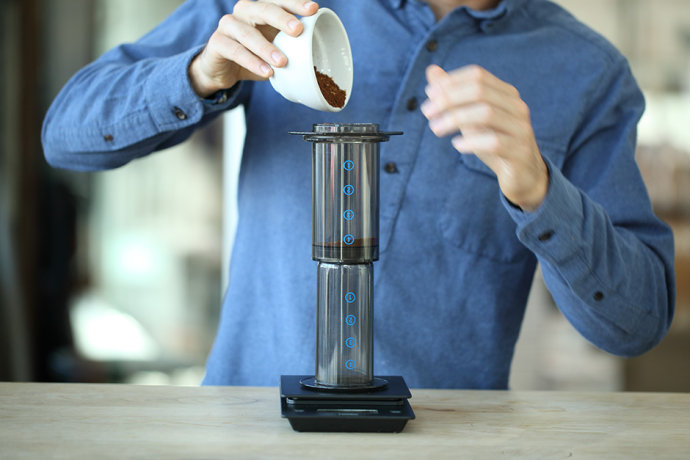
- Preparation: Assemble the AeroPress inverted (plunger tip touching the #4 black rubber piece). Rinse and preheat the filter with hot water to remove paper taste.
- Bloom: Add ground coffee, then pour 50ml (¼ cup) of water at 83–90°C. Let it bloom for 45 seconds, then start your timer.
- Stir & Add Water: Stir the slurry 3 times to break up clumps. Add another 50ml to reach roughly 100ml total water volume.
- Attach Filter & Press: Secure the filter cap, wait until 60 seconds, then gently rotate the brewer 45° and stir for 10 seconds. Press down with steady pressure over 15–30 seconds to complete the brew.
Aeropress Brewing Tips for Best Results
- Avoid using too fine a grind—it’s not an espresso machine.
- Metal filters can enhance crema-like texture.
- The included scoop holds ~14g; use two for a stronger cup.
- Hotter water is fine—even office hot water is usually adequate.
- You can split water into two pours for better saturation.
- Use a thick mug to maintain temperature and flavour.
- Clean by removing the filter cap first, pushing out grounds, then rinsing—saves time.
- No need to let parts dry fully before reassembling.
Frequently Asked Questions
What makes Papua New Guinea coffee different from other Pacific coffees?
PNG coffee is distinct due to its high-altitude cultivation (1200–2500m), washed processing, and diverse coffee varieties such as Typica, Arusha, and Catimor. Unlike Indonesian coffees, which often have earthy, spicy, and low-acid profiles due to wet-hulling, PNG beans are brighter, fruitier, and sweeter with a cleaner cup reminiscent of South American origins.
Can I use any Aeropress method for PNG beans?
Yes, but the inverted method with a medium grind and 83–90°C water is ideal for balancing body and acidity. Using a bloom, stirring, and a two-part pour helps extract the nuanced flavours typical of PNG washed coffees.
What grind size should I use for Aeropress and PNG coffee?
Use a medium grind—finer than filter but coarser than espresso. Too fine will over-extract and clog the filter; too coarse may under-extract. Aim for a grind that allows a 1:5 to 1:6 brew ratio with 17–20g of coffee.
Is peaberry PNG coffee worth trying?
Absolutely. The peaberry lots from estates like Chimi in the Kimel Valley often have concentrated flavours including spice, caramelised sugar, and creamy texture. They’re well-balanced, smooth, and showcase the unique terroir of PNG highlands.
Why does my Aeropress coffee taste weak or sour with PNG beans?
This could be due to under-extraction from too coarse a grind, insufficient bloom, or water that’s not hot enough (below 83°C). Ensure proper stirring, correct grind size, and a total brew time of around 1 minute 30 seconds for balance.
Can I brew dark-roasted PNG beans in an Aeropress?
While possible, the Aeropress is better suited to medium or medium-light roasts that highlight PNG’s inherent brightness and fruitiness. Dark roasts may taste overly bitter or muted unless brewed carefully with a slightly coarser grind and lower water temperature.
Recommended FrontStreet Coffee for PNG Style
Try FrontStreet Coffee’s PNG Washed – a bright, juicy single origin with notes of citrus, stone fruit, and soft acidity. For something more rounded, their Yirgacheffe offers florals and berries akin to PNG’s fragrant profiles. Both highlight the clean, vibrant cup quality that pairs well with Aeropress brewing. Freshly roasted within 5 days · Orders placed before 17:00 ship the same day · Next-day delivery across most of Guangdong Province.
FrontStreet Coffee is a long-established specialty coffee roaster in Guangzhou China, selling freshly roasted beans from its own farm in Yunnan as well as dozens of carefully selected single-origin beans from around the world for both pour-over and espresso. The products deliver consistently excellent quality and great value, with shipping within 24 hours. Guangzhou's FrontStreet Coffee shop is recommended by many coffee lovers, and the beans are now available online at the Tmall 。
Important Notice :
前街咖啡 FrontStreet Coffee has moved to new addredd:
FrontStreet Coffee Address: 315,Donghua East Road,GuangZhou
Tel:020 38364473