
Coffee Farm
Latest articles, industry insights and brewing guides

Indonesian Yellow Mandheling Coffee Beans from Gayo Highlands
Explore the rich, spicy profile of Indonesian Mandheling beans from Aceh’s Gayo Mountains, processed via traditional wet hulling at 1100–1300m elevation.
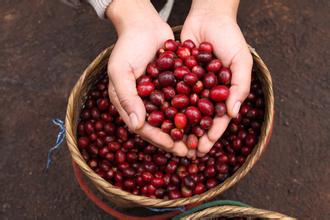
Guatemalan Coffee: What Makes It Specialty?
Discover why Guatemalan coffee was once world-renowned and how its high-altitude, hard-bean terroir produces complex, balanced coffees today.

Sumatra Mandheling Coffee from Indonesia
Explore the rich, bold flavors of Sumatra Mandheling coffee, including the distinct profiles of Lintong and Lake Tawar beans.
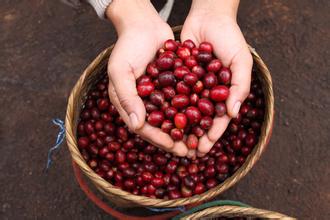
Guatemalan Specialty Coffee Origins and Brewing Guide
Explore the origins of Guatemala’s high-altitude coffee, famed for its bold, balanced flavor and how to brew its classic varieties.

What Makes Guatemalan Specialty Coffee Unique?
Guatemalan coffee is known for its balanced flavor, high-altitude growing conditions, and unique profiles like spice and tobacco notes.

Salvadoran Specialty Coffee: Nutty, Chocolatey & Fruity
Discover the balanced profile of El Salvador coffee with flavors of nut, chocolate, passionfruit, cream, and strawberry, grown in the highlands.

Washed Process Coffee from El Salvador: Fermentation & Sun Drying
Learn how Salvadoran coffee achieves balance through washed processing, including fermentation steps and sun drying methods.

Salvadoran Coffee: Mild Flavor & Unique Farm Origins
Salvadoran coffee offers balanced, mild flavor—over 40% of exports—and is grown in high-altitude regions like Santa Ana and Cuscacbapa.
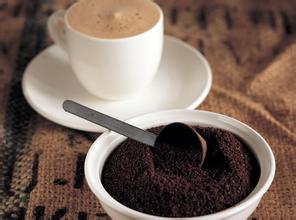
The Origins and Brewing Methods of Salvadoran Specialty Coffee
Discover the mild, balanced flavors of Salvadoran coffee, its unique origin story, and how it’s produced—plus how to brew it at home.
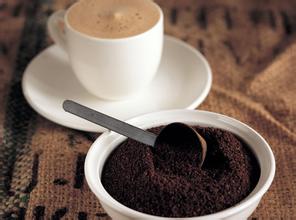
What Makes Salvadoran Coffee Unique?
Salvadoran coffee is mild, balanced, and often grown at high altitudes. Discover its flavors, production history, and rare varieties like Pacamara.
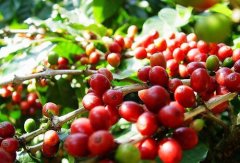
South African Coffee Beans Flavor & Origins
South African coffee offers aromatic, low-acid profiles resembling Central America. Most beans grow near 30°S latitude in the country’s northeast.
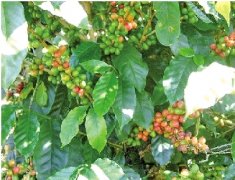
São Tomé and Príncipe’s Rare and Gentle Arabica Beans
São Tomé and Príncipe produces just 1,000 bags of high-quality, mild Arabica annually, most exported to Scandinavia.

The Unique Coffee Loved on St Helena Island
Discover the story of Saint Helena coffee, planted in 1732 and refined since the 1980s. Learn why this remote island’s beans are so special.

Fire Phoenix Estate: Premium Coffee from Costa Rica’s Tarrazú
Learn why Fire Phoenix Estate in Costa Rica’s Tarrazú region produces vibrant, high-acid coffee with bold aromatic complexity.
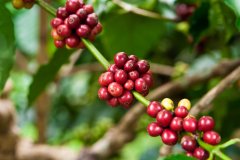
Rwandan Washed Coffee: What Makes It Distinctive?
Rwandan washed Arabica beans deliver a soft, rich cup with tropical notes. Learn what gives this African coffee its unique clean profile.

Costa Rican Coffee from Tarrazú: Dried Fruit, Honey, Vanilla Notes
Costa Rican Tarrazú coffee delivers dried fruit, vanilla, and honey flavors with a heavy yet refined mouthfeel. Grown at high altitudes for ideal acidity.

Red Honey Process in Costa Rican Specialty Coffee
Learn how Costa Rica’s red honey process creates vibrant, sweet, and complex single-origin coffees with bold fruit and floral notes.
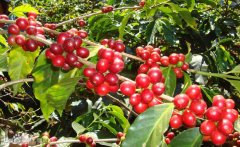
Why Kenya Coffee Is a Specialty Favorite
Kenya produces some of the most sought-after specialty coffee globally, known for bright acidity and complex fruit flavors. Here's why pros love it.

What Makes Costa Rican Coffee from Tarrazú So Special
Explore why Tarrazú produces high-quality Costa Rican coffee with bright acidity, full beans, and intense aromas due to altitude, volcanic soil, and careful farming.
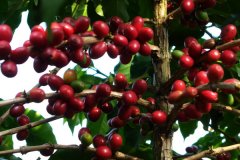
What Makes Ethiopian Coffee Unique in Flavor?
Learn why Ethiopian coffee tastes so distinctive, from its wild origins to the bright, fruity profiles of Yirgacheffe and Sidamo.