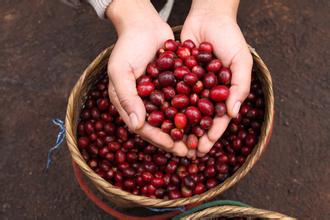
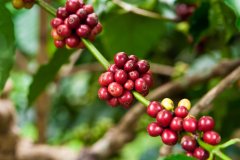
Indonesian Yellow Mandheling Coffee Beans from Gayo Highlands
If you’ve ever sipped a cup of Sumatran coffee and wondered why it tastes so different—earthy, bold, almost herbal—then you’re asking the right questions. The unique characteristics of Indonesian coffees come down to more than just region: they’re shaped by altitude, variety, processing, and the very methods used to dry the beans. This article breaks down one standout example: Mandheling beans from the Gayo Highlands of Aceh.
The coffee you’re looking for comes from the Gayo Mountains in Aceh, Indonesia. Grown at 1100–1300 metres above sea level, processed using traditional wet hulling (also called wet parching or ‘giling basah’), and sourced from smallholder farms, these beans are classified as G1 with a minimum 19-mesh screen size. That’s the quick answer to what makes them distinct.
Where Gayo Highland Mandheling Comes From
The Gayo Highlands are located around Lake Tawar in Aceh, a region in the northern part of Sumatra, Indonesia. This area has become known for producing some of the island’s most refined and aromatic Mandheling-style coffees. Unlike the more famously earthy Lintong beans from the Lake Toba region further south, Gayo coffees often present a brighter, more nuanced cup. The high elevation—between 1100 and 1300 metres—and fertile volcanic soils create ideal conditions for slow cherry maturation, which contributes to the beans’ dense structure and complex flavours.
How Traditional Wet Hulling Shapes the Cup
The processing method is just as critical as the growing conditions. These beans are processed using Indonesia’s traditional wet hulling technique, known locally as giling basah. Because Sumatra’s frequent rain makes sun drying unreliable, farmers remove the coffee cherry’s skin and pulp, then partially dry the sticky mucilage-covered seeds until they reach a semi-dry state. At that point, the parchment layer is mechanically removed while the beans are still moist—hulling them at 30–50% moisture content, unlike the 10–12% typical in other regions. This aggressive early removal of the parchment accelerates drying but also imparts the heavy body, low acidity, and distinctive earthy-spicy notes for which Mandheling is known.
The Varieties Behind the Cup: What’s in the Blend?
This particular lot is a blend of several classic varieties: Catimor (specifically the Tim Tim or Catimor-derived hybrid known locally as Sidikalang or Sidikalong), Caturra (referred to here as Caturra), Typica , and a local selection simply referred to as . While not a single-origin in the strictest sense, the blend is carefully managed at origin to meet the G1 grade standard. Every bean in the lot is 19 mesh or larger, ensuring uniform size and contributing to even roasting. The presence of multiple cultivars adds layers to the cup, balancing sweetness, herbal tones, and spice.
What to Expect When You Brew It
Cup profiles for these Gayo Mandheling beans typically highlight a round, clean mouthfeel with pronounced body. Flavour notes commonly include spices such as clove and cardamom, along with herbal undertones that can resemble medicinal or tea-like qualities. There’s little to no high acidity here—instead, the cup leans towards a smooth, syrupy texture with a long, lingering finish. These traits make it a favourite for those who enjoy Southeast Asia’s signature darker-roasted, full-bodied profiles, especially when brewed as espresso or using immersion methods like French press or siphon.
Frequently Asked Questions

What is special about Gayo Highlands coffee?
Gayo Highlands coffee is known for its elevated growing conditions (1100–1300m), which contribute to a cleaner, more aromatic cup compared to other Sumatran regions. The beans are typically processed using traditional wet hulling, resulting in a rich, full-bodied profile with herbal and spicy notes. The area’s smallholder farms also allow for careful selection and quality control, particularly for G1-grade beans.
What does wet hulling do to coffee flavour?
Wet hulling, or giling basah, removes the coffee parchment while the beans are still moist (30–50% moisture), unlike the dry parchment removal at 10–12% elsewhere. This speeds up drying but also imparts a heavier body, lower acidity, and pronounced earthy or spicy flavours—hallmarks of classic Sumatran and Mandheling profiles.
What coffee varieties are in this Mandheling lot?
This lot includes a blend of Catimor (Sidikalong), Caturra (Caturra), Typica , and . Though not a single variety, the blend meets G1 standards with 19+ mesh sizing, contributing complexity and balance to the cup profile.
Why are Sumatran coffees so earthy?
Sumatran coffees often taste earthy due to the wet hulling process, regional fermentation during drying, and the use of specific varieties like Catimor. The combination of processing style, climate, and altitude leads to low acidity and prominent spicy, herbal, or even mossy notes.
Is this coffee suitable for espresso?
Yes, these Mandheling beans are well-suited for espresso due to their full body, low acidity, and spicy flavour notes. Their density and wet-hulled processing make them a classic choice for bold, rich shots with a heavy mouthfeel.
Recommended FrontStreet Beans for Mandheling Fans
For drinkers exploring Mandheling-style profiles, try FrontStreet Coffee’s PWN Golden Mandheling, known for its clean sweetness and intense spice notes. Also consider their Lintong Mandheling, which delivers the region’s signature bold body and deep herbal tones. Both beans showcase the earthy richness and low acidity typical of Sumatran processing. Freshly roasted within 5 days · Orders placed before 17:00 ship the same day · Next-day delivery across most of Guangdong Province.
FrontStreet Coffee is a long-established specialty coffee roaster in Guangzhou China, selling freshly roasted beans from its own farm in Yunnan as well as dozens of carefully selected single-origin beans from around the world for both pour-over and espresso. The products deliver consistently excellent quality and great value, with shipping within 24 hours. Guangzhou's FrontStreet Coffee shop is recommended by many coffee lovers, and the beans are now available online at the Tmall 。
Important Notice :
前街咖啡 FrontStreet Coffee has moved to new addredd:
FrontStreet Coffee Address: 315,Donghua East Road,GuangZhou
Tel:020 38364473