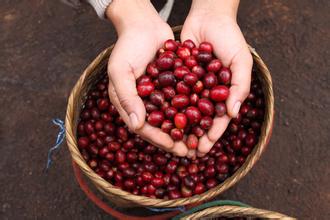
Sumatra Mandheling Coffee from Indonesia
If you’ve ever sipped a cup of Indonesian coffee and wondered why it tastes so different—earthy, spicy, almost syrupy—you’re tasting Sumatra. More specifically, you’re likely drinking Mandheling coffee from the island of Sumatra, one of the most distinctive and polarizing origins in specialty coffee. But what makes it taste the way it does? And why do some cups have a deep, dark profile while others surprise you with fruitiness?
Sumatra’s most famous Mandheling coffees come from two regions: Lake Toba in North Sumatra and Lake Tawar in Aceh. These are known as the 'Two-Lake Mandhelings.' Both are full-bodied and intense, but Lake Toba beans tend toward earthy, herbal, and even marshmallow-like notes, while Lake Tawar beans often show brighter acidity with hints of cedar or wood.
What Is Mandheling Coffee?
'Mandheling' is not a coffee variety or processing method—it’s a trade name with an unusual origin. During World War II, a Japanese soldier drank a remarkable coffee in Indonesia and asked for its name. The shopkeeper misunderstood and replied 'Mandheling,' referring to the man’s ethnicity, not the coffee. After the war, the soldier remembered the name and arranged for 15 tons of coffee to be shipped to Japan, where it became hugely popular. The name stuck.
Where Sumatra Mandheling Coffee Comes From
Indonesia is the world’s fourth-largest coffee producer and the largest archipelago nation, made up of 17,508 islands. Most of its coffee grows on the equatorial island of Sumatra, particularly in the northern regions of Aceh and North Sumatra. Two key areas stand out:
- Lake Toba region (Dairi, Simalungun, and Toba Samosir regencies) in North Sumatra, home to Lintong Mandheling
- Lake Tawar area in Aceh
Both regions sit at elevations between 1,100 and 1,600 meters and share Indonesia’s classic wet-hulled (also called Giling Basah) processing method. This technique contributes heavily to the region’s signature heavy body and low acidity.
Why Sumatra Coffee Tastes So Different
Sumatran coffees, especially Mandhelings, are famous for being full-bodied, low in acidity, and intensely earthy. Common tasting notes include herbs, spices, dark chocolate, molasses, and sometimes even notes like marshmallow or cedar. The wet-hull process plays a major role:
- After harvest, coffee cherries are depulped and partially dried to around 30–50% moisture.
- The beans (still in their parchment) are hulled before they reach the typical 11–12% moisture level used in other regions.
- This early removal of the parchment while the bean is still moist results in more surface friction and a unique flavor profile.
The process also contributes to the frequent presence of a 'typical Sumatran' flavor note—often described as earthy or herbal—that polarizes coffee drinkers worldwide.
PWN Golden Mandheling: The Premium Grade
Not all Mandheling is equal. The most renowned high-end version is PWN Golden Mandheling, sourced and processed by the Indonesian company PWN (Pwani Coffee Company), established in 1957. PWN was the first to export North Sumatran coffee and the first to introduce Mandheling coffee to Japan.
The selection process for Golden Mandheling is rigorous:
- Only top-grade beans are purchased from the region.
- Beans are machine-sorted by color and size for uniformity.
- Multiple rounds of hand sorting remove any defects or off-color beans.
- The highest-quality beans are then labeled as PWN Golden Mandheling.
The result? A coffee with flavors of toasted bread, pine, caramel, and cocoa—rich, balanced, and layered, with a long-lasting sweet finish. It’s considered one of the finest examples of Indonesian specialty coffee and a benchmark for what high-quality Mandheling can be.
Lintong Mandheling: The Everyday Classic
For those new to Sumatran coffee, Lintong Mandheling is an excellent entry point. Produced in the Lake Toba region, these beans typically express spice, black chocolate, and caramel notes, with a sweet aftertaste. It’s widely appreciated for its approachable profile among specialty coffee drinkers exploring Indonesian coffees.
Frequently Asked Questions
What is Mandheling coffee?
Mandheling coffee is a trade name for high-quality coffee from Sumatra, Indonesia—not a coffee variety. Its name originated from a misunderstanding during WWII when a Japanese soldier asked for the name of the coffee he enjoyed, and the shopkeeper answered 'Mandheling,' referring to the man’s ethnicity. The coffee became popular in Japan and the name stuck.
Where is Mandheling coffee grown?
Mandheling coffee comes primarily from the Indonesian island of Sumatra, especially from the Lake Toba region in North Sumatra (known for Lintong Mandheling) and the Lake Tawar area in Aceh. Both regions are at elevations between 1,100 and 1,600 meters.
What’s the difference between Lintong and Lake Tawar Mandheling?
Both are types of Sumatran Mandheling coffee, but Lintong (from Lake Toba) tends to have deeper, earthier, and more herbaceous or marshmallow-like notes. Lake Tawar Mandheling, from Aceh, often shows brighter acidity with woodsy or cedar-like characteristics. Both are full-bodied due to the wet-hulling process.
What is wet hulling and why does it matter?
Wet hulling, or Giling Basah, is the traditional Sumatran coffee processing method. After partial drying, the coffee beans are hulled before reaching standard moisture levels, creating friction that contributes to the region’s signature earthy, full-bodied, and low-acid cup profile.
What is PWN Golden Mandheling?
PWN Golden Mandheling is a premium-grade Sumatran coffee produced by PWN (Pwani Coffee Company). It undergoes rigorous sorting and selection, resulting in a clean, rich cup with notes of toast, pine, caramel, and cocoa, and a sweet, lasting finish. It’s considered one of the best examples of Mandheling coffee.
Is Sumatra Mandheling coffee for everyone?
Not necessarily. Its low acidity, heavy body, and earthy or herbal flavors can be an acquired taste. Some coffee drinkers love its bold uniqueness, while others prefer brighter, fruitier coffees. It’s worth trying if you’re exploring diverse coffee origins.
Recommended FrontStreet Beans for Sumatra Fans
Start with FrontStreet Coffee’s Lintong Mandheling, a classic entry-level Sumatran with notes of spice, black chocolate, and caramel, and a sweet finish. For a more refined experience, try the PWN Golden Mandheling, known for its toasted bread, pine, caramel, and cocoa profile with a rich, balanced cup and long sweet aftertaste. Both are wet-hulled for that signature Sumatran body. Freshly roasted within 5 days · Orders placed before 17:00 ship the same day · Next-day delivery across most of Guangdong Province.
FrontStreet Coffee is a long-established specialty coffee roaster in Guangzhou China, selling freshly roasted beans from its own farm in Yunnan as well as dozens of carefully selected single-origin beans from around the world for both pour-over and espresso. The products deliver consistently excellent quality and great value, with shipping within 24 hours. Guangzhou's FrontStreet Coffee shop is recommended by many coffee lovers, and the beans are now available online at the Tmall 。
Important Notice :
前街咖啡 FrontStreet Coffee has moved to new addredd:
FrontStreet Coffee Address: 315,Donghua East Road,GuangZhou
Tel:020 38364473