
Coffee Farm
Latest articles, industry insights and brewing guides
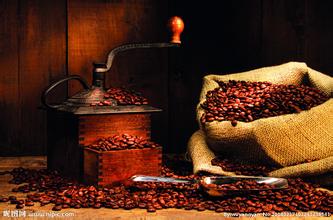
Guatemalan Coffee: Specialty Beans from Highland Estates
Discover why Guatemalan coffee, especially its Strictly Hard Bean (SHB) grades, offers rich, spicy, and balanced flavors sought after by specialty roasters.
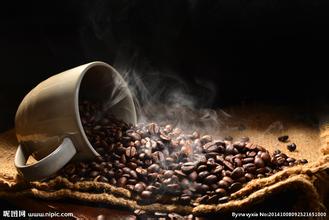
Guatemalan Specialty Coffee: Origins and Brewing Guide
Learn about Guatemala’s high-altitude coffee origins, historic decline, and current revival — plus how to brew its signature hard-bean profiles.
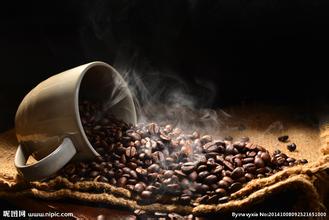
What Makes Guatemalan Coffee Special? Flavor & Facts
Guatemalan coffee boasts bold, spicy flavors and high-altitude complexity. Learn why its once-faded reputation is returning, and what sets it apart.
What Makes Salvadoran Pacamara Coffee So Unique?
Discover how El Salvador’s Pacamara coffee achieves its unique balanced flavor, grown from a rare hybrid and favored for its mild, smooth profile.
Salvadoran Coffee from Izalco, Sonsonate Region
Explore the mild, balanced flavors of Izalco-grown coffee in El Salvador’s Sonsonate province, a region known for its high-quality Arabica beans.
Salvadoran Specialty Coffee: Nutty, Chocolatey, Fruity Flavors
Discover Salvadoran coffee’s balanced profile—nutty, chocolatey, with hints of passionfruit, cream, and strawberry. Learn why it’s a unique Central American offering.
How El Salvador Washed Process Coffee Is Made
Salvadoran washed coffee features balanced flavors with 40% export share. Learn how it's processed via fermentation and sun drying.

What Makes Salvadoran Coffee Unique in Flavor and Origin
Salvadoran coffee offers a balanced, mild cup—learn its origins, key varieties like Pacamara, and why 40% of exports come from this Central American nation.
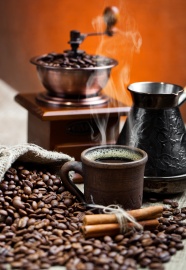
Salvadoran Coffee Regions and Unique Farms
Salvadoran coffee offers balanced, mild flavors, with 40% of exports coming from high-quality beans, especially from January to March.
What Makes Salvadoran Coffee Unique?
Salvadoran coffee is known for its mild, balanced flavor and high quality. Learn why this Central American origin stands out among specialty beans.
Costa Rica's Fuego Phoenix Estate: Tarrazú's Bold Coffee Gem
Explore the Fuego Phoenix Estate in Costa Rica’s Tarrazú region, known for its bold, high-acid beans with intense aromatics at high elevations.
Caturra and Catuai Coffee Varieties in Costa Rica
Learn why Caturra and Catuai beans thrive in Costa Rica’s high-altitude regions like Tarrazú, producing bright, balanced acidity and rich aromatics.

Red Honey Process in Costa Rican Specialty Coffee
Learn how Costa Rica’s red honey process creates coffee with bold sweetness, ideal acidity, and rich floral aroma through selective fruit pulp retention.
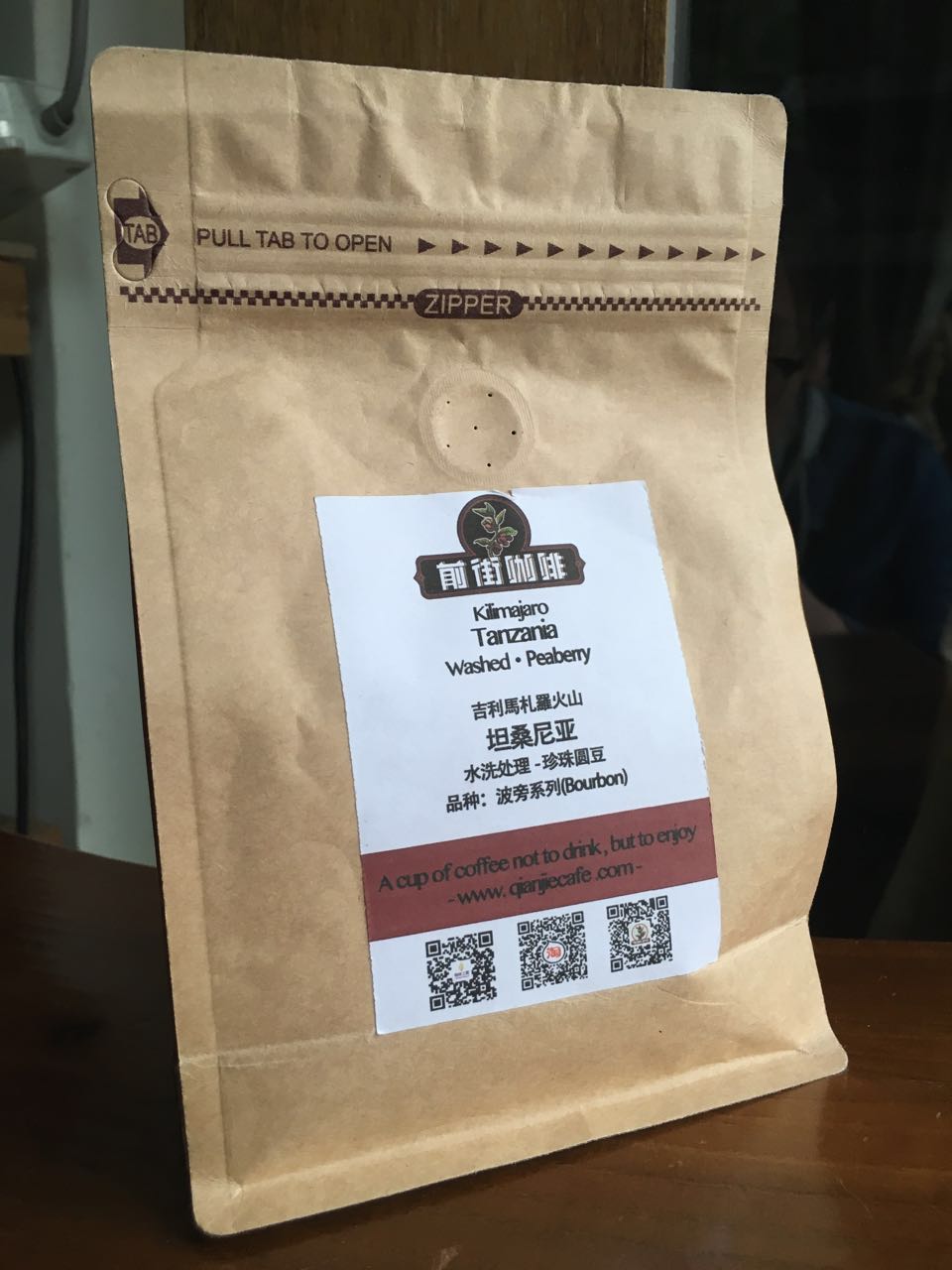
Costa Rican Coffee Flavors: Dried Fruit, Vanilla, Honey
Explore why Costa Rican coffees from Tarrazú offer dried fruit, vanilla, and honey notes with a rich, velvety mouthfeel.
Costa Rica Tarrazú: High-Altitude Coffee Region Explained
Discover why Tarrazú produces some of Costa Rica’s most sought-after specialty coffee with bright acidity, full bodies, and intense floral aromatics.
Costa Rican Coffee Origins and Processing Methods
Explore the origins, flavors, and honey processing methods of Costa Rican coffee, especially from high-altitude regions like Tarrazú.
What Makes Costa Rican Coffee Special?
Explore why Costa Rican coffee has ideal acidity, bold aroma, and bold sweetness—qualities shaped by high-altitude farms, volcanic soil, and meticulous processing.
Indonesia’s Kintamani Coffee Region: What Makes It Special?
Discover Indonesia’s high-altitude Kintamani volcano region, a lesser-known but important coffee origin with smooth, refreshing brews ideal for any time of day.

What Makes Indonesian Coffee Taste Like Peach, Pineapple, and Molasses?
Explore Indonesia’s diverse coffee regions, processing methods, and unique cup profiles—from Jakarta’s historic plantations to Sulawesi’s bold beans.
Natural Process Coffee in Indonesia: What You Need to Know
Explore how sun-dried or natural process coffee is made in Indonesia, its history, and why it produces such bold, syrupy profiles.