
Coffee Farm
Latest articles, industry insights and brewing guides

Indonesian Coffee Regions and Their Unique Flavor Profiles
Explore Indonesia’s top coffee-growing regions, from Sumatra’s bold Mandheling to Java’s refined profiles, and what makes each unique.

Where Indonesian Coffee Originated and How It’s Made
Learn how Indonesia became a major coffee producer, the origins of its key regions, and how its distinctive processing shapes global coffee flavors.

Indonesian Coffee Origins and How It’s Made
Explore Indonesia’s diverse coffee regions, processing methods, and why its full-bodied beans with low acidity have global appeal.
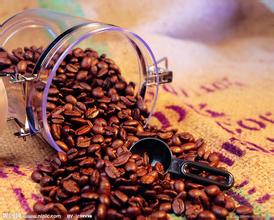
What Makes Indonesian Coffee Unique?
Explore Indonesia’s diverse coffee regions, from Mandheling to Java, and learn why its full-bodied, low-acid beans are prized worldwide.

How Yemeni Mocha Coffee Beans Are Traditionally Processed
Discover how Yemen’s historic Mocha coffee beans are grown, dried, and hulled using traditional methods—and why their flavor stands apart.

Where Mocha Coffee Beans Actually Come From
Learn where true Yemeni Mocha coffee originates, how it’s grown, and why it tastes so unique — from history to flavor.

Where Do Mocha Coffee Beans Come From and How Are They Processed?
Mocha coffee beans originated in Ethiopia but were popularized via Yemen. Learn their history, flavor traits, and traditional processing methods.

What Are Mocha Coffee Beans? Flavor, Origin & Facts
Learn why Yemeni Mocha beans are small, peppery, and famously chocolatey — and how Dutch trade spread them worldwide.

Tanzania Coffee from Kilimanjaro’s Northern Highlands
Explore Tanzanian coffee from the volcanic slopes of Kilimanjaro, known for bright acidity, floral notes, and medium-high sweetness.
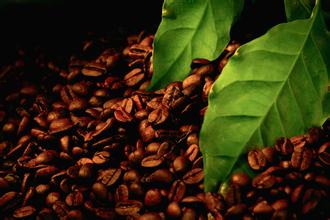
Tanzanian Coffee Tastes Apricot, Dates, and Chocolate
Tanzanian coffee offers fruity, spicy, and malty-chocolate flavors with soft acidity. Learn what makes beans from Kilimanjaro and Moshi so distinctive.

How Tanzania Coffee Is Washed Processed
Tanzanian coffee is typically processed via washed method—here’s how it works, step-by-step, including drying and fermentation, for cleaner, brighter profiles.

Tanzania Coffee: Flavor, Farms, and Why It Matters
Explore the unique qualities of Tanzanian coffee, from Chagga AA to Kilimanjaro-grown beans, and why this East African origin delivers exceptional value.

Tanzanian Coffee Origins and How It’s Made
Learn where Tanzania’s specialty coffee comes from, how it’s processed, and why its bright, fruity profile stands out. Includes regional insights and flavor notes.

Tanzanian Coffee: Flavor, Origin & Processing Explained
Learn what makes Tanzanian coffee unique — bright acidity, floral aroma, and clean sweetness — grown near Kilimanjaro using washed processing.
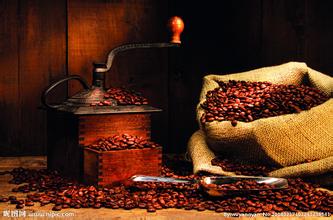
Rwandan Bourbon Coffee from 1,756-Farmer Cooperative
Learn why Rwanda’s bourbon-grown coffee scores highly, from its unique processing to the 1,756 smallholder farmers behind the 2013 Cup of Excellence winner.

Rwanda’s Western Province Coffee: Rulindo’s Flavour Profile
Discover Rwanda’s Rulindo District coffee, known for balanced profiles and bright acidity, grown at high altitudes with volcanic soil.

What Flavors Define Rwandan Coffee? Red Apple, Cherry & Honey
Rwandan coffee offers bright red apple, cherry, cinnamon, and honey notes—here’s how altitude, washing, and varietal shape its signature profile.

How Rwanda Washed Coffee Is Processed: High-Rack Sun Drying Explained
Discover how Rwanda’s high-quality washed coffee is processed, including high-rack sun drying—key to its clean, vibrant cup profile.

Rwandan Coffee Beans: What Makes Them Unique?
Explore Rwanda’s high-quality washed Arabica coffee, especially its bright, balanced Bourbons grown at altitude on volcanic soil.

Rwandan Coffee Origins and Washed Processing Methods
Learn how Rwanda’s high-altitude, volcanic soil produces bright, clean-washed arabica coffee, especially notable from the Bourbon variety.