
Coffee Farm
Latest articles, industry insights and brewing guides

What Makes Colombian Coffee Special? Key Traits Explained
Colombia is the world’s second-largest arabica producer, known for balanced washed beans with bright acidity and smooth body. Here’s why it stands out.

Panama Coffee Varieties: Catuai, Caturra, 30% Geisha
Explore Panama’s rare coffee varieties including Catuai, Caturra, and 30% Geisha, grown in high-altitude microclimates near Boquete.

Panama Coffee: Honey vs Traditional Washed Process
Discover how Panama’s unique microclimates and processing methods—especially honey vs washed—affect coffee flavor, with insights on Boquete and Volcán regions.
What Gives Panamanian Coffee Its White Grape and Caramel Notes?
Learn how Panama’s highland microclimates and unique Geisha variety create distinctive coffee flavors like white grape, caramel, and honey.

What Makes Panamanian Coffee Unique?
Learn why Panamanian coffee stands out—its high-elevation microclimates, rare varietals, and small-lot production define some of the world’s most distinct single origins.

What Makes Panamanian Coffee Unique?
Discover what gives Panamanian coffee its distinctive flavor — from rare microclimates to elite lots like Boquete’s Geisha.

Jamaica Blue Mountain Coffee Processing and Flavor Explained
Learn why Jamaica Blue Mountain coffee is so rare, expensive, and sought after — from its limited production to unique processing methods.

Jamaica Blue Mountain Coffee: What Makes It So Special?
Learn why Jamaica Blue Mountain coffee commands premium prices, from its exclusive growing region to its balanced flavor profile and strict certification.

What Makes Jamaica Blue Mountain Coffee So Special?
Learn why Jamaica Blue Mountain coffee commands premium prices, from its limited production to unique flavor balance and strict certification.

What Makes Jamaica Blue Mountain Coffee So Special?
Learn why Jamaica Blue Mountain is among the most sought-after coffees, from its limited production to its prized balance and flavor.
Honduras San Juan Xi Duo Coffee Beans Explained
Discover how Honduras, despite instability, produces balanced, high-quality coffee beans like those from the San Juan Xi Duo region.
Honduran Coffee Flavor: Clean, Nutty, Milk Chocolate Notes
Honduran coffee offers balanced flavors with clean acidity, nuttiness, and milk chocolate notes. Learn why this Central American origin surprises many.
How Honduras Processes Its Specialty Washed Coffee
Honduras produces high-quality washed coffee using traditional water-processing methods that highlight bright acidity and balanced flavors.
Honduras Coffee Regions and Farms: What Makes It Special?
Honduras produces high-quality coffee despite political instability. Learn about its key regions, farms, and what makes its balanced profile so popular.
Honduras Coffee Origins and Brewing Guide
Honduras produces high-quality, balanced washed Arabica beans. Learn where they come from and how to brew them for the best flavor.

What Makes Honduran Coffee Unique? Flavor & Profile Guide
Honduran coffee is balanced, medium-acid, and often floral or fruity—rare stability from a turbulent region. Here’s what makes it special.
Guatemalan Huehuetenango Coffee: What Makes It Special?
Explore the bold, balanced profile of Guatemalan Huehuetenango coffee, grown at high altitudes with unique volcanic soil and spice-driven complexity.

Guatemalan Coffee Varieties: Caturra, Catuai, and Bourbon Explained
Explore the key coffee varieties grown in Guatemala — Caturra, Catuai, and Bourbon — and how they shape the country’s rich specialty coffee profile.
Washed Process Guatemalan Specialty Coffee Beans
Learn how Guatemala’s traditional washed coffee processing creates bright, clean, and balanced single-origin beans with complex acidity.
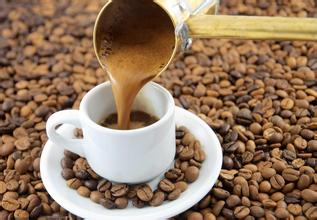
Guatemalan Specialty Coffee: Nutty, Chocolatey, Smoky Flavors
Guatemalan specialty coffee features bold nut, dark chocolate, and tobacco notes with balanced acidity. Learn why its high-elevation beans are regaining global acclaim.