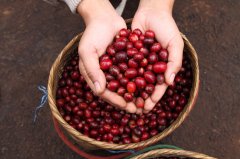
What Makes Kenyan Coffee Beans Unique?
If you’ve ever sipped a bright, juicy cup of coffee that tasted more like fruit than beans, there’s a good chance it was Kenyan. Coffee professionals frequently single out Kenyan beans as some of their favorites—not just for the taste, but for the complete sensory package: complex layers, vibrant acidity, and an almost tea-like clarity. What makes Kenyan coffee so distinct, and why does it continue to captivate coffee lovers decades after gaining global fame?
In short: Kenyan coffee is celebrated for its intense fruitiness—especially citrus and wine-like notes—medium body, and exceptional acidity. The best lots, like AA+ and PB grades, are sought after for their balance, complexity, and unique flavor profile that’s hard to replicate elsewhere.
The Origins and Rise of Kenyan Coffee
Kenyan coffee arrived in the 19th century via Ethiopia through South Yemen, but it wasn’t until the early 1900s that the iconic Bourbon variety was introduced by the St. Austin Mission. Over time, the country developed a coffee culture defined by meticulous cultivation and processing—practices that elevated its beans to international acclaim.
The 1985 film Out of Africa, starring Meryl Streep, helped boost global recognition of Kenyan coffee. But long before Hollywood, the country was quietly producing some of the most distinctive single-origin coffees in the world, known for their wine-like character and grapefruit-like acidity.
How Kenyan Coffee Is Grown and Processed
Most Kenyan coffee grows at elevations between 1,500 and 2,100 meters, conditions that slow ripening and develop complex flavors. The country harvests twice a year, and pickers often pass through farms up to seven times to ensure only ripe cherries are collected.
Farms are typically smallholder operations. Farmers deliver fresh cherries to cooperative washing stations, where beans are processed as parchment coffee—still encased in their inner husk. These are then delivered to cooperatives, where they’re sorted and sold based on quality at an average market price. The system is structured to treat farmers fairly and maintain consistent quality across lots.
Kenyan Coffee Grading and the Auction System
The Kenyan government takes coffee production seriously: uprooting coffee trees is illegal, and quality control is rigorous. All coffee first goes to the Coffee Board of Kenya (CBK), which grades and cups the beans before weekly auctions. Unlike some systems, Kenyan auctions group beans without re-grading, offering buyers transparency and consistency.
The top grade is Peaberry (PB), followed by AA++, AA+, AA, and AB. AA beans are known for their high gloss, winey notes, and intense flavor. Auctions are typically small—3 to 6 tons per lot—and include samples with farm identifiers so buyers can assess quality. This setup gives roasters flexibility in blending while meeting the demands of discerning markets, especially in Germany and Scandinavia.
Flavor Profile: Why Kenyan Coffee Tastes Different
Kenyans are known for their distinctive fruit-forward profile, particularly citrus and berries. Acidity is a defining trait—not sharp or sour, but crisp, bright, and wine-like. Many tasters note flavors of blackberry, grapefruit, and even hints of blackcurrant. Lighter roasts often bring out a tea-like delicacy, leading some to compare it to fruit-infused tea rather than traditional coffee.
The diversity comes from small farms growing in varied microclimates. For instance, the 2001 Samburu AA+ lot had strong prune notes and muted acidity, while the 2002 crop from the same region offered tart plum, green plum, and subtle spice, finishing with a green tea-like aftertaste and slightly elevated acidity. That variability keeps Kenyan coffee exciting for enthusiasts.
The Science Behind the Flavor: SL Varieties & Washed Processing

Kenya’s legendary cup quality stems partly from its signature coffee varieties: SL28 and SL34. Developed by the Scott Laboratories (SL) in the 1930s, these cultivars were selected for their performance at high altitudes and their exceptional cup quality. SL28 delivers deep citrus and stone fruit acidity with a winey richness, while SL34 offers bright fruitiness balanced with nutty and spicy notes.
These varieties thrive in Kenya’s high-phosphate volcanic soils, further enhancing their complexity. Equally important is Kenya’s advanced washed processing method. After pulping, beans undergo a 48-hour fermentation to remove mucilage, followed by 24 hours of soaking in clean water. This double-washed process amplifies the coffee’s inherent juiciness and clarity.
Frequently Asked Questions
What does Kenyan coffee taste like?
Kenyan coffee typically has bright, wine-like acidity with prominent citrus and berry flavors—common tasting notes include grapefruit, blackberry, and blackcurrant. Some lots may also show hints of plum, spice, or even green tea in the finish. Lighter roasts tend to emphasize its tea-like, juicy character.
Why is Kenyan coffee so acidic?
The high acidity in Kenyan coffee comes from both the coffee varieties (like SL28 and SL34) and the growing conditions—high altitudes slow ripening, allowing acids to develop fully while maintaining sugar balance. The washed processing method also highlights and preserves those bright acids.
What are the different grades of Kenyan coffee?
Kenyan coffee is graded by bean size and cup quality. The top grade is Peaberry (PB), followed by AA++, AA+, AA, and AB. AA is especially prized for its balanced flavor, winey notes, and high cup quality. Grading is done by the Coffee Board of Kenya before weekly auctions.
How is Kenyan coffee processed?
Kenyan coffee is typically processed using a washed (wet) method. After harvest, cherries are depulped, then fermented for 48 hours to remove the mucilage. They are then soaked in clean water for another 24 hours before drying. This double-washed process enhances clarity and fruitiness.
Where can I buy good Kenyan coffee?
High-quality Kenyan coffee is available from specialty roasters around the world. In China, FrontStreet Coffee offers Kenyan single origins featuring the famed SL28 and SL34 varieties, often using a light or medium roast to highlight fruit and acidity. Look for beans labeled AA or PB for top-tier profiles.
Recommended FrontStreet Coffee for Kenyan Flavor
FrontStreet Coffee’s Kenya Little Tomato combines SL28 and SL34 varieties, processed with a double-washed method and roasted to a medium-light level. It offers aromas of cherry tomato, snow pear, black plum, and brown sugar, with a full body and layered acidity. Notes of caramel emerge in the aftertaste. Perfect for showcasing classic Kenyan fruitiness. Freshly roasted within 5 days · Orders placed before 17:00 ship the same day · Next-day delivery across most of Guangdong Province.
FrontStreet Coffee is a long-established specialty coffee roaster in Guangzhou China, selling freshly roasted beans from its own farm in Yunnan as well as dozens of carefully selected single-origin beans from around the world for both pour-over and espresso. The products deliver consistently excellent quality and great value, with shipping within 24 hours. Guangzhou's FrontStreet Coffee shop is recommended by many coffee lovers, and the beans are now available online at the Tmall 。
Important Notice :
前街咖啡 FrontStreet Coffee has moved to new addredd:
FrontStreet Coffee Address: 315,Donghua East Road,GuangZhou
Tel:020 38364473