
Coffee Farm
Latest articles, industry insights and brewing guides

Costa Rica Tarrazú Coffee: What Makes It Stand Out
Learn why Tarrazú coffee from Costa Rica is prized for its bright acidity, bold fragrance, and dense beans, grown at high altitudes with volcanic soil.

How Red Honey Processing Shapes Costa Rican Coffee
Learn how red honey processing enhances Costa Rican coffee with balanced sweetness, acidity, and bold aroma. Discover the details behind this popular method.
India Val Pare Washed SL9: Orange Acidity & Spicy Notes
This washed SL9 from Val Pare, India, offers bright orange acidity, spicy tones, a full body, and a cocoa finish. Grown at 1600–1700m.
Costa Rica Tarrazu Coffee: Dried Fruit, Honey, and Vanilla Notes
Explore the rich flavors of Costa Rica’s Tarrazu coffee—known for dried fruit, honey, vanilla, and a velvety mouthfeel—with insights from high-altitude growing regions.
Costa Rica’s Tarrazú: A Premium Coffee Region Explained
Discover why Costa Rica’s Tarrazú produces some of the world’s most balanced high-altitude coffees, with bright acidity and intense floral notes.

Where Does Costa Rican Coffee Come From and How Is It Made?
Discover the origins of Costa Rican coffee, why Tarrazú beans stand out, and how unique processing methods like honey create its signature flavor.
What Makes Costa Rican Coffee Unique?
Discover what gives Costa Rican coffee its bright acidity, full body, and distinctive aroma, especially from high-altitude regions like Tarrazú.
Salvadoran Apaneca Bourbon: 2011 & 2013 COE Himalaya Winner
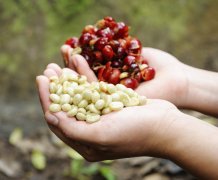
This 95% Red Bourbon, 5% Typica lot from El Salvador’s Himalaya Estate won COE in 2011 and 2013. Washed, 1525m, with winey acidity and dense stone fruit.
Kopi Luwak: What Is Cat Poop Coffee Really Like?
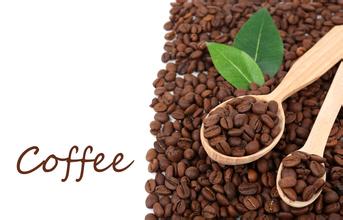
Learn the truth behind kopi luwak, the world’s most controversial coffee made from civet-cat-digested beans, including flavor, ethics, and price.

What Is Kopi Luwak Coffee and How Is It Made?
Learn how civet coffee is produced, why it’s expensive, and whether it lives up to the hype.
What Is Kopi Luwak Coffee and Why Is It So Controversial?
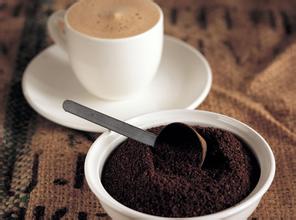
Kopi Luwak, or civet cat coffee, is among the world’s most expensive beans. Here’s how it’s made, why it costs hundreds per pound, and why experts question its ethics and taste.

Papua New Guinea Coffee Farms and Kimmel Estate
Learn how Papua New Guinea produces high-altitude, organic-flavored specialty coffee with unique processing traditions and challenging quality history.
Papua New Guinea Coffee: Nutty, Caramel, Low-Acid Flavor Profile
Learn why PNG coffee tastes nutty and balanced with low acidity, and how its unique growing conditions shape its clean, structured cup.

How PNG Coffee Is Washed: Process & Quality History
Learn how Papua New Guinea processes its specialty coffee via washed method, the key to its bright, fruity profile—and how quality recovered after 1990s decline.

Papua New Guinea Coffee: Where It’s Grown and Why It Matters
Learn why Papua New Guinea grows high-quality specialty coffee at altitude, who produces it, and how quality challenges were overcome.

Papua New Guinea Coffee: Origins and How It’s Grown
Learn how 75% of PNG coffee comes from small farms at 1300–1800m altitude, and why quality improved after 1993 reforms.

What Makes Papua New Guinea Coffee Unique?
Learn why Papua New Guinea coffee is prized for its organic growing methods, high altitude, and balanced flavor profile with fruity and nutty notes.

Indonesia's Kintamani Volcanic Coffee Region Explained
Discover the origins, history, and flavor profile of Kintamani coffee in Indonesia, part of a diverse island coffee landscape.

Indonesian Specialty Coffee Flavors: Peach, Pineapple, Molasses
Explore Indonesia’s unique coffee regions, processing methods, and what gives its beans flavors of ripe peach, pineapple, and black sugar.
Indonesian Natural Process Coffee: What Makes It Unique?
Explore Indonesia’s natural process coffee, its regional diversity, and how traditional drying shapes its bold, syrupy profile.