
Coffee Farm
Latest articles, industry insights and brewing guides
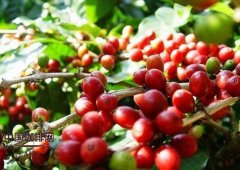
Cameroon Coffee Beans Ideal for Dark Roast Espresso
Cameroon’s high-quality arabica beans, especially from Bamileke and Bamoun, roast well for bold espresso with chocolate and nut tones.
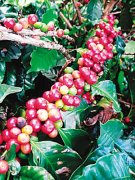
Fragrant, Mild Coffee from Conflict-Hit Burundi
Burundi’s smallholder-grown coffee offers floral aromas and balanced acidity despite challenges from nearby conflict zones.
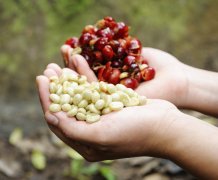
Why Suriname Was South America’s First Coffee Producer
Suriname was the first country in South America to grow coffee, thanks to Dutch colonists importing trees from Java in the 1700s. Learn the surprising history.

The Origins and Processing of Costa Rican Specialty Coffee
Explore how Costa Rica’s high-altitude volcanic soil produces sweet, bright specialty beans like those from Tarrazú and learn traditional and honey processing methods.
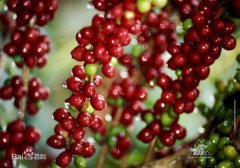
Venezuela’s Distinctive Estate Coffee From an Oil-Rich Nation
Explore Venezuela’s forgotten coffee legacy, where Typica and Bourbon varieties thrive in high-altitude Andean estates despite decades of oil dominance.

What Makes Costa Rican Coffee Special?
Learn why Costa Rican coffee stands out: high elevations, bright acidity, complex fruit notes, and unique processing methods like honey.
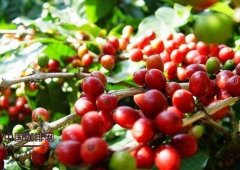
Galápagos Coffee Grown Without Chemicals on Saint Cristóbal
High-quality, chemical-free coffee is grown at 410m altitude on Ecuador’s Saint Cristóbal Island, home to giant tortoises.
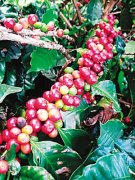
Peru Coffee: Flavor, Regions & Farming History
Explore the flavors and farming history of Peruvian coffee, including top regions like Chanchamayo and Puno, and how political shifts shaped its production.
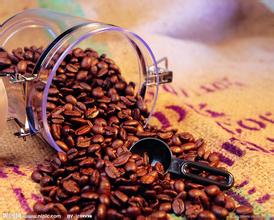
Papua New Guinea Coffee: From Kimmel Estate to Your Cup
Explore the high-altitude, small-farm origins of Papua New Guinea coffee, its quality challenges, and how it earned back its global reputation.
How Papua New Guinea Coffee Is Washed and Processed
Papua New Guinea coffee is processed via traditional washed methods at high altitudes, yielding bright, fruity, and clean profiles ideal for everyday drinking.
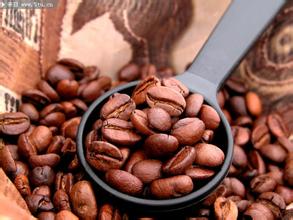
What Does Papua New Guinea Coffee Taste Like?
Papua New Guinea coffee offers nutty, caramel-like sweetness with low acidity and a full body. Most beans are grown at high altitudes on small farms.
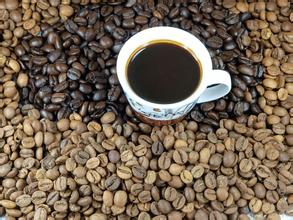
Papua New Guinea Coffee: Farming Highlands & Flavor Origins
Learn why Papua New Guinea coffee, grown mostly on small highland farms at 1300–1800m, delivers unique flavor and what shaped its quality history.

Where Papua New Guinea Coffee Comes From & How It’s Made
Learn how Papua New Guinea’s remote highland farms produce distinctive washed coffee, and why quality improved after 1993 reforms.

What Makes Papua New Guinea Coffee Unique?
Papua New Guinea coffee is grown at high altitudes by smallholders, offering bright acidity and fruity notes with limited supply. Here’s what sets PNG coffee apart.
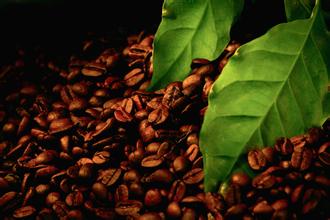
Indonesian Coffee: The Kintamani Volcano Region
Discover the unique coffee profile of Indonesia’s Kintamani region, part of Bali’s volcanic highlands, with bright acidity and smooth body.

Indonesian Coffee Beans: Flavors of Peach, Pineapple, Brown Sugar
Discover the rich, syrupy flavors of Indonesian coffee—peach, pineapple, and brown sugar notes—along with its unique processing history and regional profiles.
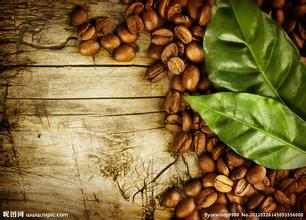
How Indonesia Processes Specialty Sun-Dried Coffee
Explore how Indonesia crafts sun-dried coffee, its historic roots, regional diversity, and unique post-harvest methods that shape its rich profile.
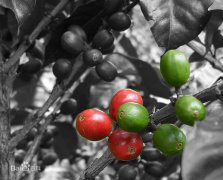
Colombia’s Specialty Coffee: Flavor & Production Facts
Colombia is the world’s second-largest producer of high-quality coffee, known for its balanced, washed beans and complex regional profiles.
Indonesian Coffee Regions and Their Distinct Flavors
Explore Indonesia’s major coffee-growing regions, from Aceh’s Mandheling to Java’s historic plantations, and discover what makes its beans unique.
Where Does Indonesian Coffee Come From and How Is It Made
Learn the origins and processing methods behind Indonesia’s iconic coffee styles, from Mandheling to Java, and why they taste the way they do.