
Coffee Farm
Latest articles, industry insights and brewing guides

Panama Coffee Varieties: Catuai, Caturra, 30% Geisha
Discover how Panama’s highland microclimates and volcanic soils shape its rare Catuai, Caturra, and 30% Geisha coffee profiles.
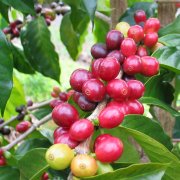
What Is Monsooned Coffee and Why Does It Taste Unique?
Learn how India’s monsooned coffee develops its smooth, mellow profile through a 7-week humidity treatment, and why it has a cult following among specialty drinkers.

Honey vs Washed Process: What Defines Panamanian Specialty Coffee?
Discover how Panama’s rare honey and washed processes shape its elite coffee flavors, from bright citrus to deep sweetness.

What Gives Panamanian Coffee Its White Grape and Honey Notes?
Discover how Panama’s high-altitude microclimates and rich volcanic soils create coffees with delicate white grape, caramel, and honey flavors.

Why Panama’s Highlands Make Exceptional Specialty Coffee
Discover how Panama’s highland microclimates and rich volcanic soils create some of the world’s most distinctive and sought-after specialty coffees.

Why Panama Coffee Tastes So Unique
Discover the highland microclimates, small-lot processing, and volcanic soils behind Panama’s distinctively aromatic and flavorful specialty coffee.
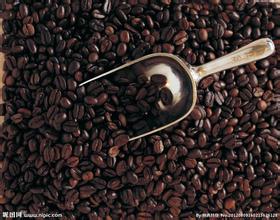
What Makes Panamanian Coffee Unique? Small Climate & Flavor Profiles
Discover why Panamanian coffee is so distinctive, from its high-altitude microclimates to its celebrated floral and fruit-forward profiles.
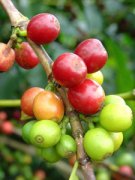
What Makes Yunnan Coffee Unique Among Single Origins
Yunnan’s small Arabica beans produce a smooth, fruity coffee with low bitterness—here’s why its profile stands out globally.
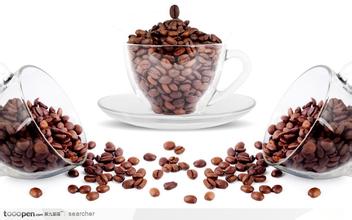
How Jamaican Blue Mountain Coffee Is Processed and Grown
Learn how Jamaica Blue Mountain coffee is grown, processed, and certified — and why it commands such premium prices.
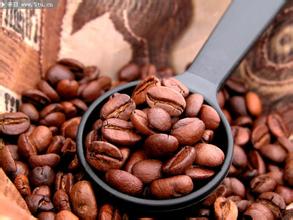
What Makes Jamaica Blue Mountain Coffee So Special?
Learn why Jamaica Blue Mountain coffee commands premium prices, how it’s grown, and the best way to brew it for full flavor.

The History of Coffee in Taiwan and Its Flavor Profile
Explore how coffee arrived in Taiwan in the 19th century, peaked before WWII, and left a lasting legacy still tasted today.
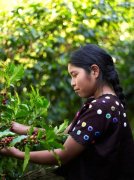
Tahiti Coffee: Rare and Exotic Arabica from Paradise
Tahiti Arabica is an ultra-rare coffee from French Polynesia’s largest island, known for its elegant flavor and unique profile.
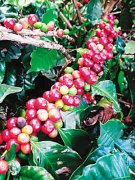
Papua New Guinea Coffee Comes From Small Local Farms
Over 75% of PNG’s specialty coffee is grown on tiny highland farms at 1300–1800m, producing nuanced beans with limited yields.
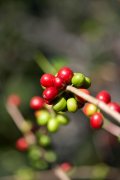
Hawaii Kona Coffee Beans: What Makes Them Exceptional?
Hawaii’s Kona coffee boasts high yields, unique growing conditions, and strict grading — but only 1,400 hectares produce true Kona. Here’s what sets it apart.
Jamaica Blue Mountain Coffee: What Makes It Special?
Learn why Jamaica Blue Mountain coffee is rare, expensive, and highly sought after—with details on its origin, flavor, and proper brewing methods.

What Makes Jamaican Blue Mountain Coffee So Special?
Learn why Jamaican Blue Mountain coffee is rare, expensive, and highly prized—with its unique flavor, limited production, and strict certification.

How Honduras Coffee Is Processed Using Washed Method
Learn how Honduras coffee is processed via the washed method, producing balanced, bright acidity and wide brewing versatility.
Honduras Coffee Flavor: Clean, Nutty, Milk Chocolate Notes
Honduras produces balanced specialty coffee with clean flavors, roasted nuts, and milk chocolate notes. Learn why it’s popular despite the country’s unrest.

What Makes Honduran Coffee Special?
Honduras produces high-quality, balanced washed Arabica, mainly grown at 1,000–2,000m. Its consistent profile suits both espresso blends and single origins.
Honduran Coffee Origins and How It’s Processed
Learn where Honduran coffee comes from, how it developed, and what makes its balanced profile special in specialty brewing.