
Coffee Farm
Latest articles, industry insights and brewing guides
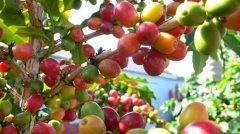
What Makes Ethiopian Coffee Unique in Flavor?
Discover why Ethiopian coffee stands out with bright acidity, floral aroma, and wine-like complexity — and where to find these profiles.

Ethiopia’s Coffee Exports: Volume, Value & Global Role
Ethiopia exports around 3% of the world’s coffee, ranking eighth globally. Its annual shipments hit 127,000 tons in 2002–03, despite price challenges.
Harar Coffee Flavor: What Makes Ethiopia’s Highland Bean Unique
Harar coffee grows up to 2,700m in Ethiopia’s dry highlands. Its bold, fruity, spicy profile comes from sun-drying—here’s why it tastes different.
San Marcos Volcano Coffee: Guatemala's Rain-Soaked Single Origin
San Marcos, Guatemala’s hottest and wettest coffee region, produces vibrant, high-acidity beans with unique early flowering. Here’s what makes it distinct.
Top Guatemalan Coffee Farms for Aromatic Single Origins
Explore Guatemala’s traditional Antigua and volcanic highland farms producing bright, fragrant specialty coffee with rich body.
New East Guatemala Coffee Beans with Balanced Chocolate Notes
Explore New East Guatemala’s smallholder-grown coffee with balanced body, chocolate tones, and rich volcanic soil origins.
Guatemala Huehuetenango Wahquns Plateau Coffee
Discover the high-altitude, full natural-process Wahquns Plateau coffee from Guatemala, known for bright acidity and complex sweetness.
Guatemala Huehuetenango Highlands Coffee Growing Region
Explore the high-altitude, dry-climate Huehuetenango Highlands in Guatemala, known for wine-like acidity and bold body in its specialty coffee.
Guatemala Antigua Coffee: What Makes It Special?
Antigua’s volcanic soil, cool nights, and unique microclimate create a sweet, balanced coffee with rich aroma and elegant body.
Guatemala’s Cobán Region: Cloud-Forest Coffee Profile
Explore the cool, cloudy highlands of Guatemala’s Cobán region, known for vibrant fruit notes, smooth body, and unique limestone-rich terroir.
Guatemala’s Acatenango Valley Coffee Beans: What Makes Them Special
Explore why Acatenango Valley coffee stands out with bright acidity, complex aromas, and clean aftertaste at elevations around 2000m.
What Is Kopi Luwak and Where Is It From?
Kopi Luwak, or civet coffee, comes from Indonesia and is made from beans eaten and excreted by civets. Learn its origins and Indonesian coffee flavors.
Why Kopi Luwak Is Being Banned Over Animal Cruelty
Animal welfare group PETA Asia exposes cruel conditions in civet cat farms producing Kopi Luwak, leading to bans in Hong Kong.
Cat Poop Coffee Cake: Bacteria & Fake Kopi Luwak
A black forest cake sold by Kopi Luwak coffee shops had 8x the legal limit of E. coli. We explain why and what it means for food safety.
Kopi Luwak: Indonesia’s $168 per Cup World’s Most Expensive Coffee
Indonesia’s kopi luwak, made from civet cat droppings, sells for up to $168 per 4-ounce cup. Learn why it’s so rare and costly.
What Is Kopi Luwak? The Indonesian Civet Coffee Explained
Kopi Luwak is made from coffee beans eaten and excreted by civets. Only 500 pounds are produced yearly. Learn how it’s processed and brewed.

Where Is Peru's SHB Coffee Grown? Regional Breakdown
Discover the key coffee-growing regions of Peru and how altitude, climate, and farming practices shape the flavor of Peruvian specialty coffee.

Which Country Makes the Best Coffee? A Deep Dive Into Peruvian Beans
Discover why Peru is rising in global coffee rankings with its balanced, high-altitude beans. Learn what makes Peruvian coffee unique and how maca coffee differs.

A Guide to Buying Peruvian Coffee: Flavors, Origins & What to Know
Discover the flavor profile, regions, and buying tips for Peruvian coffee, plus what sets it apart from maca coffee blends.

How Much Is Peruvian Coffee per Pound and How to Brew It
Learn how much Peruvian coffee costs per pound and get a step-by-step guide to brewing it as a flavorful pour-over single origin.