
Coffee Knowledge
Latest articles, industry insights and brewing guides
The 3 Stages of Coffee Roasting Explained
Learn how coffee roasting unfolds in three clear phases: drying, pyrolysis, and cooling. Discover how heat transforms green beans into flavorful coffee.

The Three Levels of Coffee Roasting Explained
Coffee roasting has three defined skill levels—from basic to artistic. Here’s how to tell where your roasting ability stands.

How Coffee Roasting Brings Out Complex Flavors
Roasting unlocks coffee’s full flavor with chemical changes, cracking sounds, and moisture loss over 12–16 minutes at up to 232°C.

How Coffee Roasting Creates the Bean’s Signature Aroma
Learn how roasting transforms high-quality coffee beans into aromatic, flavorful brews through controlled carbonization and precise heat application.

Coffee Roasting Basics: Dehydration, Ramp, Smoke, and Development Time
Learn the essential stages of coffee roasting—dehydration, ramping, smoke management, and development time—with expert timing and temperature advice for each phase.
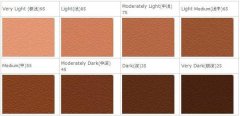
How to Identify Coffee Roast Levels Using SCAA Standards
Learn how the SCAA uses Agtron color charts to classify roast levels, from light to dark, with key temperature and timing benchmarks.

How to Blend and Roast Coffee Beans Professionally
Learn how to blend coffee beans for better flavor, why roast timing matters, and the key steps for creating balanced commercial blends.

How Coffee Roast Level Shapes Flavor
Roasting unlocks coffee’s flavors—80% of taste comes from roast. Learn how heat transforms acids, sugars, and aromas in every bean.

How Coffee Roast Levels Vary by Country
Explore how global regions prefer different roast levels, from Tokyo’s mid-dark roasts to Vienna’s deep roasts, and why some beans lose character when over-roasted.
How Roast Quality Starts with Understanding Green Coffee Beans
A great cup depends on green bean quality, roast skill, and post-roast storage. Learn how each affects flavor and when your beans peak.

3 Essential Things to Know Before Home Roasting Coffee
Beginner home roasters should clarify their focus—purpose, brew method, and desired taste—before choosing beans or equipment. These 3 steps guide your roast path.

How to Control Coffee Roast Degree: Methods & Tips
Learn how to control coffee roast degree through time trials, sensory cues, or electronic sensors. Find out what works best for your setup.

How Island and African Coffee Roasts Shape Flavor Profiles
Explore how light to medium roasts define the flavors of Jamaica Blue Mountain, Yemen Mocha, and Ethiopia Yirgacheffe coffees.
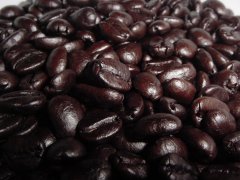
Coffee Roast Levels: From Light to Italian Stage
Explore every key stage of coffee roasting, from first crack to carbonized darkness, with flavor, appearance, and roast characteristics for each.
Acids in Roasted Coffee: What’s Really in Your Cup?
Learn which acids survive coffee roasting and how light vs dark roast changes acidity levels in your brewed cup.

What Happens During Coffee Roasting After Harvest
After harvest, coffee beans must be roasted to develop flavor. Learn how time and temperature transform green beans into brewable coffee.
How Grind Size Matches Your Coffee Brewing Method
Find the right grind size for your coffee maker—espresso needs fine, pour-over medium, French press coarse. Timing dictates texture.

Why Freshly Ground Coffee Tastes Better Than Pre-Ground
Pre-ground coffee loses aroma and flavor quickly due to oxidation. For the best cup, always grind your beans just before brewing.

Do You Actually Like Black Coffee?
Most people think black coffee is too bitter, but many miss out on its complex, region-specific flavors. Here’s why single-origin coffee stands out.

How Grind Size Affects Espresso Extraction
Learn why grind size range is narrow for espresso and how factors like freshness, humidity, and pressure influence your grind adjustments.