
Coffee Knowledge
Latest articles, industry insights and brewing guides
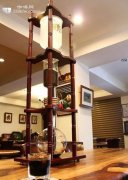
How Dutch Coffee Got Its Name: The Origins of Cold Drip
Ice drip coffee, also called Dutch coffee, originates from Europe. Learn how Dutch-designed cold brewers extract rich, smooth coffee over 5 hours.
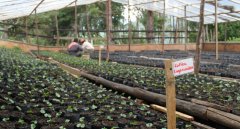
The Five Life Stages of a Coffee Tree
Learn how long coffee trees live and grow—from seedling to productive prime and eventual decline—with key timelines for each growth phase.

Coffee fruit harvest time what is the time for picking coffee beans?
The vast majority of coffee fruits are picked manually. In order to ensure the quality of coffee, pickers need to identify which fruits are suitable for harvest and pick them one by one from the tree, which takes a lot of energy and time. In this era when the tide of science and technology is sweeping in, such humane manual work is very precious. Due to different planting areas, the receiving time also changes.
The History of Coffee in Infographics and Facts
Discover how 16 billion cups of coffee are consumed daily, when people drink it, and the origins of coffee through an illustrated guide.
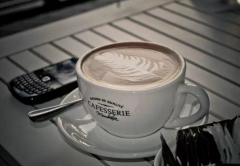
What Makes a Great Latte? Espresso and Milk Basics
A great latte depends on coffee-to-milk ratio, quality beans, proper steaming, and skilled pouring. Learn how to get it right every time.
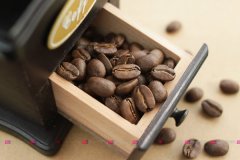
What Is Blended Coffee and Why It Matters
Blended coffee combines beans to ensure consistent flavor, balance, and value. Learn why pros blend and how it differs from single-origin coffee.
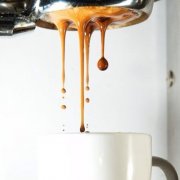
Why Your Non-Espresso Coffee Has No Crema
Non-espresso coffee can still have crema—it’s just thinner or less stable. Here’s what determines its presence and why you might not see it.

Latte Art Guide: Pouring, Tools & Milk Foam Techniques
Learn how to create latte art through free pouring or etching, with details on milk foam, tools, and the best gear combinations for beginners.

What Makes a Perfect Espresso Shot
Learn the key traits of a great espresso—crema color, volume, and extraction time—and how to taste it like a pro.
How Caffeine Boosts Memory, Performance & More
Caffeine aids both short- and long-term memory, enhances exercise performance, and delivers faster alertness—here’s what 300–400mg daily really does.
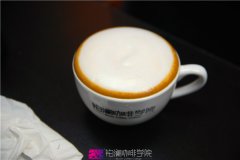
How to Make a Classic Cappuccino with a Golden Ring
A classic cappuccino with a golden ring is achieved by extracting espresso, steaming milk to 65°C, and pouring to create a domed top. Here’s how.
How to Recycle Expired Coffee Powder at Home
Expired coffee powder can still be used to deodorize your fridge, oven, and pipes—or as a natural skin exfoliant. Here’s how.

How Much Caffeine Is Really in Your Drink?
A clear breakdown of caffeine content in coffee, tea, energy drinks, and more — with exact numbers per typical serving.

Can Women Drink Coffee? Does It Worsen Gynecological Inflammation?
Experts say women can safely drink coffee, but timing matters. Up to three cups daily is fine, but avoid excess to prevent side effects.
How to Make a Perfect 100-Point Pour-Over Coffee
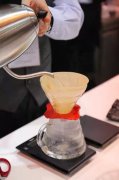
A WBC-certified judge shares essential pour-over techniques, from wetting the filter to controlling water flow and bloom time.

Where Coffee Grows: Climate & Altitude for Specialty Beans
Learn why coffee flavors vary by region—altitude, soil, and climate shape each origin’s unique cup profile. Key growing zones explained.

How Long Do Roasted Coffee Beans Stay Fresh?
Roasted coffee beans taste best within 4–30 days after roasting. For best results, store them properly and let them degas before brewing.
How to Use a Chemex for Pour-Over Coffee
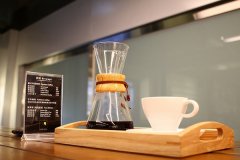
Learn how to brew with a Chemex — from setup and grind size to the step-by-step pour-over method and pouring tips.

What Is the SCAA Gold Cup Standard for Drip Coffee?
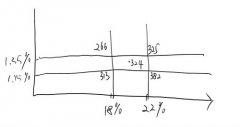
The SCAA Gold Cup standard for drip coffee uses a 1.15–1.35% TDS and 20% extraction rate, with a brew ratio around 1:15 to 1:18.
Pour-Over Coffee Ratios: The Science Behind 1:16 Brew Ratio
Why 1:16 is the sweet spot for single-origin pour-over. Learn how extraction rate and concentration define ideal coffee yield using the golden cup standard.