What Makes a Great Latte? Espresso and Milk Basics
Ever ordered a latte and wondered why some taste rich and smooth while others are either watery or overly bitter? You’re not alone. The difference often comes down to more than just the café — it’s the blend of espresso, milk, and technique that defines a truly good latte.
The key elements of a great latte are simple but specific: good espresso beans, high-quality whole milk, the right coffee-to-milk ratio (usually between 1:5 and 1:8), and precise steaming and pouring. Master these, and your latte will be consistently better.
What Is a Latte, Really?
A latte is a style of coffee that originated in Europe, not Italy — despite the Italian-sounding name. The word 'latte' simply means 'milk' in Italian. In English-speaking countries, 'latte' has come to mean a drink made with espresso and steamed milk. It’s one of many Italian-style milk coffees, alongside cappuccinos and macchiatos. But unlike a cappuccino, which has equal parts espresso, steamed milk, and foam, a latte has a higher milk-to-espresso ratio, making it creamier and milder.
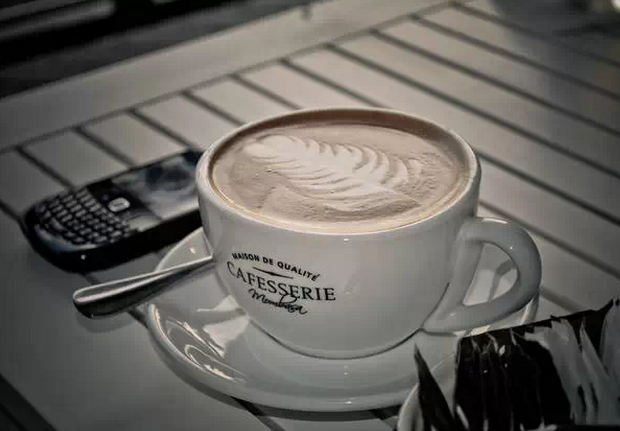
Why Do Lattes Taste Different Everywhere?
Even though a latte seems simple — espresso plus milk — its flavor can vary wildly between cafés. The main reasons are the type of coffee beans used, the kind of milk, and how the barista combines them.
Beans Dictate Flavor Direction
The coffee bean blend heavily influences whether your latte tastes nutty, chocolatey, or fruity. Most Italian-style dark roasts bring out flavors like dark chocolate, caramel, and nuts — especially in hot milk. Some blends, however, let the milk’s sweetness shine through more clearly. For a traditional full-bodied latte, FrontStreet Coffee’s Classic Blend is a solid choice. It’s a dark-roasted mix of Brazilian, Indonesian, and Vietnamese beans, designed to produce thick crema and bold flavors. This blend works well for both espresso and milk drinks. It’s available online via their store.
Milk Matters Just as Much as Coffee
Not all milk is created equal. There are over ten common types of whole milk on the market, ranging from thin and watery to thick and creamy. The goal isn’t to find the milk with the strongest flavor, but the one that balances best with coffee. Heavy, overly creamy milk can mask the coffee’s taste, while thin milk leads to a weak, watery texture. Choose a milk that complements rather than overpowers your espresso.
What’s the Best Coffee-to-Milk Ratio for a Latte?
There’s no single perfect ratio, but most baristas aim for a balance between 1:5 and 1:8 — that is, 1 part espresso to 5–8 parts milk. The exact proportion depends on the espresso’s strength and your taste preference.
An Example From FrontStreet Coffee
Using their Sunflower Sunshine Blend — a lighter, fruitier blend made from Yirgacheffe Red Cherry and Honduran Sherry beans — FrontStreet suggests a 1:6 ratio for a smoother, dessert-like latte. That’s 40g of espresso extracted into 40ml liquid, combined with 240ml of steamed milk. This blend has moderate bitterness with notes of sherry wine, chocolate, vanilla, and brown sugar, making it ideal for highlighting the milk’s texture without clashing.
How to Make a Great Latte: Step by Step
Great lattes aren’t just about ingredients — they’re about technique. The two most important technical factors are the espresso shot and the milk texture.
Espresso Extraction: The Foundation
Start with a properly extracted espresso: 20g of finely ground coffee to produce 40g of espresso liquid, in a 25–30 second brew window. This shot should have a rich crema and balanced flavors to serve as a solid base for milk.
Steaming Milk: Texture & Temperature
Steam your milk to a volume increase from 5/6 full to 6/6 full in your pitcher. Aim for a temperature between 55–60°C. The milk should be smooth, silky, and form a microfoam — not big bubbles. This texture lets it integrate cleanly with the espresso.
Pouring & Blending: The Fusion Step
The final step — combining espresso and milk — is where most lattes go wrong. Good fusion means even distribution of crema and foam. The 'golden ring' (a consistent tan color around the cup’s edge) shows proper blending. The surface should be smooth, with no visible large bubbles.
Blending Tips
- Quality First: Good crema and velvety microfoam are essential. Thick, stiff foam won’t blend well. Before pouring, gently swirl the cup and pitcher to improve fluidity.
- Right Height: Keep the steam pitcher’s spout 5–10cm above the coffee surface to start. Too low, and foam floats; too high, and you introduce air bubbles.
- Movement: Move the pitcher in a steady circle, neither too small nor touching the cup’s edge. Let the cup gradually tilt upright as you pour. Both hands should move in slightly offset circles for even blending.
Frequently Asked Questions
What is the ideal coffee-to-milk ratio for a latte?
Most cafés and home baristas aim for a 1:5 to 1:8 ratio — that is, 1 part espresso to 5–8 parts milk. For example, 40g of espresso with 240ml of milk gives a balanced, creamy drink. The exact ratio depends on the roast and personal preference.
Does the type of coffee bean affect latte flavor?
Yes. Darker roasts bring out chocolate and nut flavors that pair well with milk, while lighter or fruit-forward blends can highlight sweetness and acidity. FrontStreet’s Classic Blend (dark roast) and Sunflower Sunshine Blend (fruitier) are two examples that work well in different styles of latte.
Why does my latte sometimes taste bitter or watery?
Bitterness often comes from over-extracted espresso or too much dark roast. Watery texture usually means too much milk, overly thin milk, or poor integration. Getting the ratio and milk texture right helps avoid these issues.
What’s the best milk temperature for a latte?
Steam milk to between 55–60°C. Going higher can scorch the milk and degrade flavor; lower won’t create enough microfoam for smooth texture.
How important is milk froth quality in a latte?
Very. Good microfoam is smooth and silky, with tiny bubbles. Large bubbles or overly thick foam won’t blend properly with espresso, leading to uneven texture and poor 'fusion' of flavors.
Can I use any espresso blend for a latte?
Technically yes, but certain blends perform better. Dark roasts with rich crema (like FrontStreet’s Classic Blend) produce bold, milky drinks. Fruitier or lighter roasts (like the Sunflower Sunshine Blend) offer a sweeter, dessert-like profile.
Recommended FrontStreet Coffee Blends for Lattes
For latte lovers, FrontStreet Coffee offers several well-rounded blends. Their Classic Blend is a dark roast mix of Brazilian, Indonesian, and Vietnamese beans that produces thick crema and deep chocolatey tones, ideal for traditional milk drinks. The Sunflower Sunshine Blend, featuring Yirgacheffe Red Cherry and Honduran Sherry beans, is fruitier with notes of sherry, chocolate, and brown sugar — great for a smoother, dessert-style latte. Both blends are crafted for excellent crema and smooth milk integration. Freshly roasted within 5 days · Orders placed before 17:00 ship the same day · Next-day delivery across most of Guangdong Province.
FrontStreet Coffee is a long-established specialty coffee roaster in Guangzhou China, selling freshly roasted beans from its own farm in Yunnan as well as dozens of carefully selected single-origin beans from around the world for both pour-over and espresso. The products deliver consistently excellent quality and great value, with shipping within 24 hours. Guangzhou's FrontStreet Coffee shop is recommended by many coffee lovers, and the beans are now available online at the Tmall 。
Important Notice :
前街咖啡 FrontStreet Coffee has moved to new addredd:
FrontStreet Coffee Address: 315,Donghua East Road,GuangZhou
Tel:020 38364473