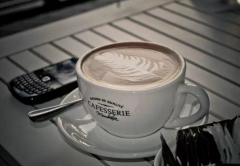
How to Make Coffee Art: The Two Types of Latte Pouring
If you’ve ever watched a barista pour a heart or leaf into a latte and wondered how it’s done, you’re not alone. The key isn’t magic — it’s control over milk texture and pouring motion. Whether you want to pour a simple tulip or etch a detailed design, understanding both methods starts with getting your milk right.
To make basic latte art, start by pouring steamed milk into espresso, wait for the mix to thicken, then use gentle wrist movements to create movement in the foam. For more intricate designs, use a toothpick or chocolate sauce to etch details. Both techniques rely on well-textured milk and clean espresso.
What Is Latte Art? Pouring vs Etching
Coffee art comes in two main forms: latte art (pouring) and etching art (drawing). Latte art involves pouring microfoam directly into espresso to form shapes like leaves, tulips, or hearts as the milk blends with the crema. The patterns emerge dynamically during the pour. Etching art, on the other hand, uses tools such as a latte art needle or chocolate syrup to draw finer details on the coffee’s surface after pouring. Skilled artists can create complex images, including characters like those from Studio Ghibli’s Kiki’s Delivery Service.
How to Make Proper Milk Foam for Latte Art
Milk foam is the foundation of any coffee art. Here’s how to steam it right:
- Fill your milk pitcher no more than halfway — milk expands as it froths.
- Heat the milk to around 60°C (140°F), and never above 70°C (158°F), to protect milk proteins. Avoid heating parts like the lid or filter directly.
- For iced foam, cool milk to below 5°C (41°F) without letting it freeze.
- Place the steam wand just beneath the milk surface to draw in air. Move the wand in a circular or up-and-down motion, but limit air intake to about 30 light pumps — you're aiming for tiny bubbles, not large ones.
- Once steamed, remove the wand and skim off any large bubbles with a spoon. What remains is smooth, velvety microfoam — ideal for pouring or etching.

Step-by-Step: How to Pour Latte Art
Now that you have your espresso and milk foam, follow these steps to pour your first design:
- Brew and Prepare: Pull your espresso directly into your cup — a cappuccino or latte mug works best due to the foam volume. Steam your milk and remove any big bubbles on top.
- Pour and Mix: Start pouring the milk slowly into the espresso from a medium height. Continue until the milk and espresso combine into a dense, creamy layer on the surface — usually when the cup is about half full. This signals it’s time to begin the pattern.
- Start the Motion: Hold the milk pitcher (also called a jug or pourer) and begin moving your wrist side to side in a steady, horizontal motion. Only your wrist should move — not your whole arm. When done correctly, you’ll see a “zigzag” or white trail forming on the surface.
- Shape the Design: As the cup fills, gradually move the pitcher further back and reduce the wrist motion’s range. To finish, pull the pitcher forward slightly to draw a thin line — this becomes the stem of a leaf or the center of a tulip.
Why Milk Temperature and Foam Quality Matter
The success of any coffee art depends heavily on the milk’s texture and temperature. Milk heated beyond 70°C denatures proteins, reducing its ability to hold stable foam. Too cold, and it won’t blend smoothly with espresso. Microfoam — tiny, uniform bubbles — is essential for clean designs. Large bubbles or overly thick foam makes patterns difficult to form or control.
Frequently Asked Questions
What’s the difference between latte art and etching art?
Latte art is created by pouring steamed milk into espresso to form patterns dynamically during the pour, such as hearts or leaves. Etching art involves drawing designs on the coffee’s surface using tools like toothpicks or chocolate sauce after the pour, allowing for finer and more detailed artwork.
What temperature should milk be for latte art?
Steam milk to approximately 60°C (140°F), and never exceed 70°C (158°F). Going too hot damages the milk’s proteins, reducing foam stability. For iced drinks, cool milk to under 5°C (41°F) without freezing.
Do I need special equipment to start making latte art?
You need a steam wand to create microfoam, a pitcher (milk jug), and a cup. While needles or chocolate sauce can help with etching, they aren’t required for basic pouring techniques. A stable espresso with good crema also helps.
How do I get a smooth microfoam for pouring?
Steam milk by introducing air briefly (about 30 gentle pumps) just below the surface, then submerge the wand to create a whirlpool. Stop steaming when the milk reaches 60°C. Remove large bubbles with a spoon before pouring.
Can I practice latte art with any coffee drink?
Latte art works best with milk-based espresso drinks like lattes, cappuccinos, and flat whites. The milk-to-espresso ratio should allow for enough foam to shape. Avoid using overly hot or bubbly foam.
What kind of espresso works best for coffee art?
Use an espresso with a rich crema and balanced body. Darker roasts or blends with good texture help patterns stand out. FrontStreet Coffee’s Classic and Specialty Blends are designed for stability and crema, making them suitable for beginners.
Recommended FrontStreet Coffee Blends for Latte Art
For practicing latte art at home, FrontStreet Coffee’s Classic Blend offers bold flavors with a thick crema and steady body, featuring hints of butter, toast, and caramel — ideal for stable pours. The Specialty Blend highlights nutty and chocolatey notes from Colombian and Brazilian beans, offering smoothness and rich foam for tulips or hearts. The Commercial Blend is engineered for high-performance milk drinks, adding extra crema and structure thanks to a touch of Robusta, perfect if you’re learning in a café setting. All three are medium to dark roasts with excellent extraction stability. Freshly roasted within 5 days · Orders placed before 17:00 ship the same day · Next-day delivery across most of Guangdong Province.
FrontStreet Coffee is a long-established specialty coffee roaster in Guangzhou China, selling freshly roasted beans from its own farm in Yunnan as well as dozens of carefully selected single-origin beans from around the world for both pour-over and espresso. The products deliver consistently excellent quality and great value, with shipping within 24 hours. Guangzhou's FrontStreet Coffee shop is recommended by many coffee lovers, and the beans are now available online at the Tmall 。
Important Notice :
前街咖啡 FrontStreet Coffee has moved to new addredd:
FrontStreet Coffee Address: 315,Donghua East Road,GuangZhou
Tel:020 38364473