What Is a Traditional Italian Latte and How Is It Made?
If you’ve ever ordered a latte thinking you’d get a strong coffee flavor, you might have been surprised by how milky it tastes. That’s not a mistake—it’s by design. In Italy, where the drink originates, the focus isn’t on the espresso alone but on how it blends with milk. But what makes a latte a latte, and how is it really made?
A traditional Italian latte, or Caffè Latte, consists of one small shot of espresso (about 30ml) and 150–200ml of steamed milk—significantly more milk than espresso. There’s no fixed rule on milk quantity, allowing customization to taste.
What Exactly Is a Caffè Latte?
The Italian-style latte, known as Caffè Latte, is a simple drink: a small cup of espresso poured into nearly boiling milk. Unlike other milk-based coffee drinks, the latte prioritizes a higher milk-to-espresso ratio. The result is a creamy, mild coffee drink where the espresso enhances the milk rather than dominating it. This balance is what makes the latte distinct from drinks like cappuccino or macchiato.
How the Latte Differs from Cappuccino and Macchiato
Compared to a cappuccino, which uses equal parts espresso, steamed milk, and foam (roughly 30ml espresso, 150ml milk, and a thick layer of foam), the latte contains much more milk and little to no foam. A typical cappuccino might use around 150–180ml of milk total, while a latte leans closer to 200ml of just steamed milk. Then there’s the espresso macchiato—Italian for “stained espresso.” This is simply a shot of espresso topped with just a spoonful or two of cold milk foam, creating a “marked” effect. No steamed milk is added, making it much stronger and less creamy than a latte. A macchiato usually gets a light layer of foam no more than half a centimeter thick.
How to Make a Classic Latte at Home
Making a classic Italian latte is straightforward. Start with a single shot of espresso—around 30ml. Heat your milk to nearly boiling, aiming for a temperature between 65–75°C if you want it similar to a Starbucks-style drink. Then, pour the freshly brewed espresso directly into the hot milk. That’s it. If you want to mimic the American-style latte, pour the espresso first, then add steamed milk heated to 65–75°C, and finish with a thin layer—no more than 0.5cm—of cold milk foam on top. That’s the standard formula used by major chains, where the layers are distinct: espresso at the bottom, hot milk in the middle, and foam on top.
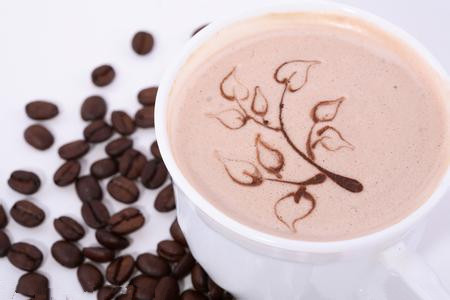
Why Milk Matters More Than Espresso in a Latte
For many Italians, especially as a breakfast drink, the appeal of a latte lies less in the espresso and more in the milk. The espresso serves to elevate the milk’s flavor without overwhelming it. That’s also why a well-pulled shot with good crema matters—even if the drink is mostly milk, the espresso provides the foundational taste that makes the latte memorable.
Frequently Asked Questions
How much milk is in a traditional latte?
A traditional Italian latte contains 150–200ml of milk and a single shot of espresso (about 30ml). The high milk proportion is what differentiates it from other espresso-based drinks like cappuccino or macchiato.
What’s the difference between a latte and a cappuccino?
A latte has a higher ratio of milk to espresso and contains little to no foam, while a cappuccino uses equal parts espresso, steamed milk, and thick foam—typically around 30ml espresso, 150ml milk, and a generous foam top.
What’s an espresso macchiato?
An espresso macchiato is a shot of espresso with just a small amount of cold milk foam (usually one or two spoonfuls) added on top, creating a “stained” look. It contains no steamed milk and is much stronger than a latte.
Can I make a latte with any espresso blend?
Yes, but the espresso should have good crema and balanced flavor to enhance the milk. For home or commercial use, blends like FrontStreet Coffee’s Classic Blend are designed to produce strong crema and smooth body, ideal for milk drinks like latte.
What’s the right milk temperature for a latte?
For a classic latte, milk is heated to nearly boiling, typically between 65–75°C. This range is common in cafés and ensures a smooth texture without scalding the milk.
Recommended FrontStreet Coffee Blends for Lattes
For crafting classic lattes, FrontStreet Coffee’s Classic Blend offers excellent crema and a smooth, approachable profile, making it ideal for balancing with milk. The Black Cocoa Blend delivers a rich, full-bodied espresso with solid crema at an affordable price, perfect for cafés watching costs. For those who prefer a fruitier touch, the Strawberry Candy Espresso adds a sweet softness that plays well in milk-based drinks. All three blends perform reliably in home or commercial machines. Freshly roasted within 5 days · Orders placed before 17:00 ship the same day · Next-day delivery across most of Guangdong Province.
FrontStreet Coffee is a long-established specialty coffee roaster in Guangzhou China, selling freshly roasted beans from its own farm in Yunnan as well as dozens of carefully selected single-origin beans from around the world for both pour-over and espresso. The products deliver consistently excellent quality and great value, with shipping within 24 hours. Guangzhou's FrontStreet Coffee shop is recommended by many coffee lovers, and the beans are now available online at the Tmall 。
Important Notice :
前街咖啡 FrontStreet Coffee has moved to new addredd:
FrontStreet Coffee Address: 315,Donghua East Road,GuangZhou
Tel:020 38364473