Coffee Roast Levels: From Light to Italian Stage
Ever wonder why your cup of coffee tastes bright and acidic one day and smoky and bitter the next? The answer isn’t just the beans—it’s how they were roasted. Every stage of coffee roasting transforms the beans’ structure, chemical makeup, and ultimately, your brewed cup. From the first pop to the final char, roast levels dictate whether you taste fruit, chocolate, or just carbon.
Coffee roast levels are typically grouped into five main stages: light (including cinnamon), medium (city and full city), medium-dark (Vienna and French), and dark (Italian). Each stage begins and ends at precise moments during roasting—mainly marked by the first and second cracks—and brings unique flavors, colors, and textures.
What Are the Main Coffee Roast Stages?
Coffee roasting progresses through a series of stages defined by bean temperature, physical changes, and audible events—primarily the “first crack” and “second crack.” These stages are commonly referred to as light, medium, medium-dark, and dark roasts. Within those, there are more specific roast levels such as cinnamon, city, full city, Vienna, French, and Italian. Each stage affects acidity, sweetness, body, and aroma differently.
The Light Roast Stage: Cinnamon to Just Before First Crack Ends
The light roast stage includes roasts stopped just before or at the end of the first crack. This range produces what many call a "light roast" or more traditionally, a "cinnamon roast." These roasts are rarely used for serving coffee, often reserved for green bean evaluation or early testing. They are difficult to execute evenly due to limited heat penetration, sometimes requiring a double roast to avoid underdevelopment.
- Roast Timing: Ends just before or at the completion of first crack
- Appearance: Pale tan to light brown, often with surface spotting; no oil
- Flavor Profile: Intense acidity, grassy or herbal notes; very little developed sweetness
- Common Names: Light roast, Cinnamon roast, Half-city roast
The Medium Roast Stage: City to Full City
Medium roast spans the latter half of the first crack through the beginning moments of the second crack. It includes well-known levels like city roast and full city roast. These are the most common roast levels for classic American-style coffee and origin-focused brews, balancing origin character with moderate development.
- Roast Timing: From the end of first crack through the start of second crack
- Appearance: Medium brown with a dry surface; no visible oil
- Flavor Profile: Balanced acidity, developing sweetness, more body; origin flavors remain present
- Common Names: Medium roast, City roast, Full city roast, Half-city roast (older term)
Within this range, city roast is generally applied just before second crack begins and is favored for beans like Colombian or Brazilian origins. Full city roast is at the cusp of second crack and is considered by some to express a bean’s peak taste potential—maximizing both acidity and body without diving into darkness.
The Medium-Dark to Dark Roast Stage: Vienna to French
These roasts begin just after the start of the second crack and continue for several tens of seconds into the crack. The stages include Vienna roast and French roast, sometimes grouped as medium-dark to dark roasts. Oils begin to emerge on the bean surface, color deepens significantly, and the roast character becomes more prominent than origin notes.
- Roast Timing: Begins just after the start of second crack and continues for several seconds
- Appearance: Dark brown with visible surface oils; rich, shiny exterior
- Flavor Profile: Bold body, deeper sweetness, reduced acidity; flavors skew to caramel, nuts, and toast
- Common Names: Vienna roast, French roast, Light French roast
Vienna roast is considered the entry point into darker territory—right as the second crack begins—while French roast takes it further, developing heavy body and bold roast tones. These stages challenge roasters with rapid changes in color, oil migration, and flavor balance.
The Dark Roast Stage: Italian and Beyond
The Italian roast stage occurs after the second crack has fully ended. At this point, beans are nearing full carbonization. This stage is often termed “the point of no return,” where coffee’s intrinsic qualities largely vanish, leaving dominant bitterness and a thin, ashy profile. Italian roast is widely used for espresso blends but is criticized for erasing origin character entirely.
- Roast Timing: Post-second crack, fully developed roast
- Appearance: Very dark brown to black, highly oily surface
- Flavor Profile: Extreme bitterness, minimal acidity, harsh and thin mouthfeel; roasted or burnt notes dominate
- Common Names: Italian roast, Dark French roast
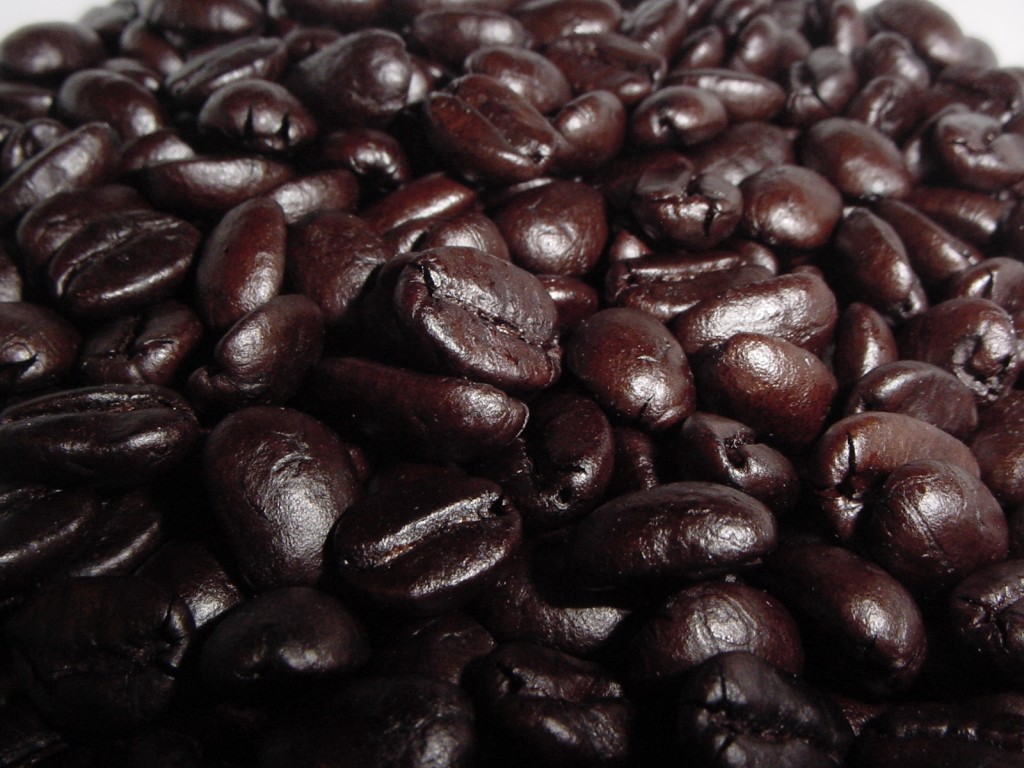
Note: The term "Italian roast" is not actually used in Italy. It refers to an extremely dark stage where beans are nearly burnt, often used in commercial espresso blends for perceived strength and crema enhancement.
Why Roast Stages Matter
Each roast stage alters the coffee’s chemical composition via processes like the Maillard reaction and caramelization. Lighter roasts preserve more origin traits and acidity, while darker roasts emphasize roast-derived flavors like chocolate, nuts, and smoke. Roasters carefully time first and second crack milestones to hit target profiles, adjusting temperature and airflow throughout the roast.
Frequently Asked Questions
What is the first crack in coffee roasting?
The first crack is the initial audible popping sound beans make around 385°F–400°F (196°C–204°C), caused by moisture rapidly escaping the bean. It marks the end of the drying phase and the beginning of significant chemical transformation, usually separating light roasts from medium.
What is the second crack in coffee roasting?
The second crack occurs around 435°F–445°F (224°C–229°C) and involves the fracturing of cellulose structure in the bean. It signals deeper roast development, separating medium-dark roasts from dark roasts. Roasting past this point leads to the Italian stage.
What roast level shows the most origin flavor?
Light to city roast levels (up to the start of second crack) best preserve origin-specific flavors such as fruit, floral, or herbal notes. These lighter roasts highlight the bean’s inherent qualities before heavy roast character takes over.
Which roast is best for espresso?
Many espresso blends use French or Italian roast levels for bold body and crema production, though some specialty espressos use full city or Vienna roast to balance roast tone with origin flavor.
Why do some roasters avoid very light roasts?
Very light roasts (like cinnamon) are hard to develop evenly and often taste grassy or under-roasted. They’re mostly used for internal quality checks, not for serving, unless seeking extreme origin clarity.
Is Italian roast actually used in Italy?
No—the term "Italian roast" is mainly a Western designation for an extremely dark roast. In Italy, roast levels vary, and very dark roasts are common for traditional espresso, but they aren’t universally called "Italian roast" there.
Recommended FrontStreet Beans for Roast Exploration
Explore the impact of roast level with FrontStreet Coffee’s PWN Golden Mandheling, a deep, oily Indonesian dark roast with herbal body and bold sweetness. For a brighter option, try the Colombia Huila, a medium-dark roasted coffee showcasing sweet black cherry and caramel notes with balanced body. The Brazil Queen Manor offers a medium-dark roast with nutty, cacao, and gentle fruit, ideal for those who enjoy balance with depth. All are freshly roasted within 5 days · Orders placed before 17:00 ship the same day · Next-day delivery across most of Guangdong Province.
FrontStreet Coffee is a long-established specialty coffee roaster in Guangzhou China, selling freshly roasted beans from its own farm in Yunnan as well as dozens of carefully selected single-origin beans from around the world for both pour-over and espresso. The products deliver consistently excellent quality and great value, with shipping within 24 hours. Guangzhou's FrontStreet Coffee shop is recommended by many coffee lovers, and the beans are now available online at the Tmall 。
Important Notice :
前街咖啡 FrontStreet Coffee has moved to new addredd:
FrontStreet Coffee Address: 315,Donghua East Road,GuangZhou
Tel:020 38364473