
Specialty Coffee Beans
Latest articles, industry insights and brewing guides
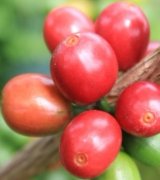
What Is Yunnan Coffee Farming Really Like?
A firsthand look at Yunnan’s coffee fields reveals hard labor, global demand, and a struggle for local identity in the birthplace of China’s coffee industry.

How Kopi Luwak Coffee Gets Its Legendary Smoothness
Civet cats instinctively select ripe coffee cherries, and their digestion reduces bitterness—here’s how rare Luwak coffee achieves its famed smooth finish.

Why Mandheling Coffee Tastes Bitter Yet Smooth
Discover why Mandheling coffee is famously bitter yet richly textured, with a smooth finish that surprises many coffee drinkers.

What Makes Jamaican Blue Mountain Coffee Authentic?
Learn what qualifies as true Jamaican Blue Mountain coffee, from altitude rules to official certification and limited annual production.
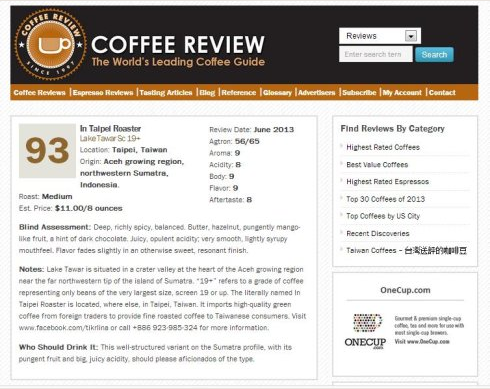
Sumatra Lake Tawar Emerald Mandheling Coffee Beans
Explore the high-scoring, fruity and sweet Emerald Mandheling from Lake Tawar, part of the Hands of Hope project in Aceh, Sumatra.

What Is Blue Mountain Coffee and Why Is It Special?
Blue Mountain Coffee comes from Jamaica’s Blue Mountains. It’s rare, low in caffeine, and prized for its balanced flavor and smooth body.

What Is Blue Mountain Coffee and Where Does the Name Come From
Learn what makes Jamaica Blue Mountain coffee special, where the name comes from, and how to tell real Blue Mountain beans from fakes.

What Is Geisha Coffee? A Complete Guide to the Rare Bean
Learn why Geisha coffee is so sought-after, where it comes from, how it’s graded, and what makes it taste so unique.
Why Guatemala Produces Some of the World’s Best Coffee Beans
Guatemala’s Strictly Hard Bean coffee offers rich, balanced flavors with vibrant acidity. Discover why it was once deemed the finest in the world.
Why Honduras Coffee Works in Blends
Honduras grows high-acid arabica beans ideal for blends. Most comes from elevations between 1,000–2,000m and is processed washed.
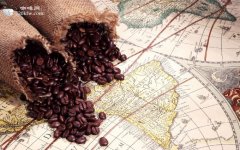
How Haitian Coffee Enhances Jamaican Blue Mountain Flavor
Haiti’s rustic, untreated coffee is secretly blended with Jamaican Blue Mountain to boost richness—here’s why it works.
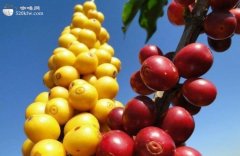
What Makes Jamaican Blue Mountain Coffee So Special?
Jamaica Blue Mountain coffee is famed for its balanced flavor and rarity. But is it truly the world’s best coffee? Here’s what makes it unique.
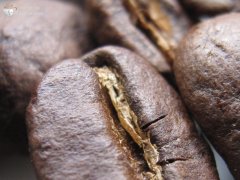
Martinique: Birthplace of Central American Coffee
The Caribbean island of Martinique planted the first coffee tree in the Western Hemisphere in 1723, seeding coffee production across the region.
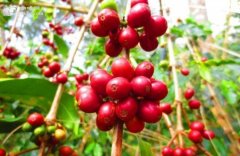
Mexico Coffee: What Makes It Special?
Mexico is the world’s fourth-largest coffee producer, yielding smooth, aromatic beans mostly from small farms. Learn where it comes from and why it matters.
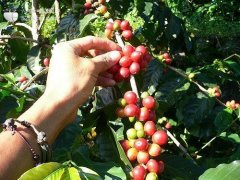
Why Nicaragua Ranks Among the World’s Best Coffee Origins
Nicaragua produces mild, aromatic coffee with balanced acidity, grown mainly in Jinotega and Nuevo Segovia at high elevations. Production dipped in the 1990s but has recovered.
Why Panama Produces Specialty Coffee
Panama’s high-altitude farms in Boquete and Volcán Barú yield bright, distinctive coffees sought after in Europe.
Puerto Rico Coffee Origins & Single-Origin Beans
Learn about Puerto Rico’s specialty coffee history, the premium Yauco Selecto, and what makes its beans distinct in global markets.
Bolivia as a Specialty Coffee Origin Country
Bolivia began serious coffee production in the 1950s. Its washed Arabica beans grow between 180–670m, once exported to Germany and Sweden.
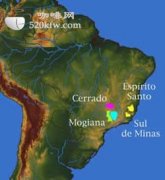
What Makes Brazilian Coffee Beans Special?
Learn why Brazil produces 30% of the world’s coffee with low-acid, nutty beans ideal for espresso and filter. Explore its key regions and farming methods.
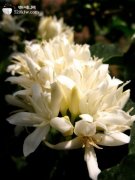
Ecuador: The World’s Highest-Grown Arabica Coffee Country
Ecuador may grow Arabica coffee at the highest altitudes globally, especially in regions like the Chanchamgo Valley. Its high-elevation beans offer balanced, aromatic profiles.