
Specialty Coffee Beans
Latest articles, industry insights and brewing guides
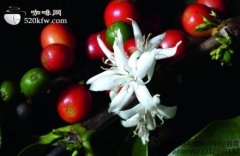
Colombia: The World’s Largest Producer of Premium Coffee
Colombia ranks second globally in coffee production with 13 million 60kg bags annually, renowned for high-quality washed Arabica beans.

Peru’s Role as a Major Specialty Coffee Producer
Peru produces high-quality, balanced coffee beans—98% grown in forest regions—and supplies over 1% of the world’s arabica. Discover its farming landscape.

Where Coffee Comes From: Galápagos Islands
Learn how coffee thrives in the Galápagos Islands, especially on San Cristóbal, thanks to unique microclimates and fertile volcanic soils.

Venezuela’s Distinctive Estate-Grown Specialty Coffee
Learn why Venezuela’s historic estate-grown coffee, like Montebello and Miramar, is making a comeback after decades of decline.

Suriname: South America’s First Coffee-Producing Nation
Suriname was the first South American country to grow coffee, introduced in the 1700s—but today its output is minimal. Here's the history.

Angola’s Coffee Legacy: What You Should Know About Its Specialty Beans
Once Africa’s top Robusta producer, Angola exported 3.5 million bags yearly in the 1970s—here’s why its specialty coffee faded and what remains.

Best Coffee Roast for Drip Makers: Cameroon Beans
Cameroon coffee, especially dark-roasted, is ideal for drip brewing. Its balanced profile and heritage rival South American beans.

Ethiopian Coffee Origins: Yirgacheffe, Sidamo & Harrar Beans
Explore Ethiopia’s legendary coffee regions, from Yirgacheffe’s floral brightness to Harrar’s wild, wine-like profile. Learn what makes these beans unique.

Ivory Coast Coffee: One of the World’s Largest Producers
Ivory Coast ranks fifth globally in coffee production with 4.4 million bags annually, primarily robusta, trailing only Indonesia in robusta output.

Why Kenyan Coffee Stands Out Among Specialty Beans
Kenyan coffee is prized for its intense aromatics, balanced acidity, and vibrant fruit flavors—qualities that make it a favorite among specialty roasters worldwide.

What Is Geisha Coffee? The Story Behind the Famous Bean
Learn the origins, traits, and rare cultivation of Geisha coffee, plus where it’s grown today beyond Panama.

Why Colombia Coffee Is Named After Its Country
Colombia is the world’s second-largest producer of washed Arabica, with unique microclimates and strict quality controls making its coffee globally recognised.

Colombian Coffee Culture and History Explained
Discover Colombia’s revered coffee legacy, from its 'green gold' nickname to its ideal high-altitude growing conditions and strict export controls.

What Is Cubita Coffee From Cuba’s Crystal Mountain?
Cubita Coffee comes from Cuba’s Crystal Mountain, near Jamaica’s Blue Mountains. Handpicked and washed, it offers balanced, smooth, and elegant flavors.

What Are the Cupping Steps in Specialty Coffee?
Cupping is the standard way to evaluate coffee’s flavors. This guide details the exact steps, ratios, and methods used by pros.

How to Brew Jamaican Blue Mountain Coffee
Learn the classic way to brew Blue Mountain coffee using a siphon, with optimal water temp, brew time, and serving advice.

Why Kenyan AA Is a Specialty Coffee Favorite
Kenyan AA coffee offers bright acidity, rich fruitiness, and wine-like complexity — a top pick among specialty professionals for good reason.
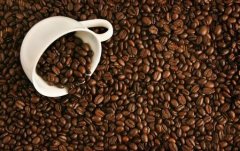
What Makes Colombian Supreme Coffee a Classic Specialty Bean
Colombian Supreme is a high-quality washed arabica, traditionally dark-roasted with bold, balanced flavor and a notable nutty finish.

Sumatra Mandheling Arabica Coffee Beans Explained
Learn why Sumatra Mandheling coffee is prized for its bold, earthy body and low acidity, despite its humble appearance.

What Makes Jamaican Blue Mountain Coffee So Famous and Expensive
Jamaican Blue Mountain is among the rarest and most balanced coffees in the world. Learn what sets it apart—from altitude to export controls.