
Specialty Coffee Beans
Latest articles, industry insights and brewing guides

Angola Coffee: Rare High-Quality Arabica from Africa
Angola once exported premium Arabica coffee, mostly overshadowed by its robusta production. Learn about its high-acid beans and former export markets.

Vietnam's Coffee: French Influence and Robusta Dominance
Vietnam grows mostly Robusta coffee, with 96% from small farms. Learn its French-colonial roots, flavor profile, roast advice, and market role.
Tanzania Coffee: Flavor, Regions, and Market Facts
Explore Tanzanian coffee’s origins, key regions like Kilimanjaro, flavor profile, roast advice, and market reforms affecting quality and export.

An Intro to Peru’s Specialty Coffee
Discover where Peru grows its specialty coffee, what makes it special, and why its balanced, mild profile suits many brewing methods.
Dominican Republic Coffee: Flavor, Regions & Washed Process
Discover where Dominican Republic grows its best coffee, why it’s washed, and how its mild, balanced profile shines across roast levels.
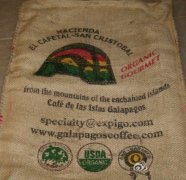
Honduras Coffee: Origin, Flavor & Why It Matters
Learn why Honduras produces high-acidity, medium-to-dark-roast-friendly coffee, its key growing regions, and why it’s exported mainly to the U.S. and Germany.
Madagascar Coffee: A Developing Specialty Origin
Madagascar plans to expand Arabica plantings by 5,000 hectares, aiming to develop high-quality specialty coffee from its current Robusta-dominated production.
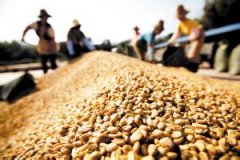
Cuban Coffee: Origins, Flavor & Why It’s Rare
Learn why Cuban coffee, especially the rare Turquino grade, offers a bold tobacco-rich cup — and why politics keep it off most menus.

Zaire Coffee: Rare Flavor from a Forgotten Origin
Zaire (now DR Congo) still produces high-quality coffee, mainly in the northeast, with bright acidity and full body—best roasted medium to dark.
New Caledonia Coffee: Rare Specialty Robusta Beans
New Caledonia grows a distinctive, high-quality Robusta coffee with smooth, balanced flavors—best lightly roasted. Here’s what makes it unique.

Papua New Guinea Coffee: Flavor, Farms & Roast Guide
Learn why Papua New Guinea produces unique A- and AB-grade beans at high altitudes, and how they became a key player in specialty blends.
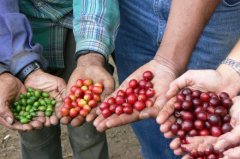
What Makes Zimbabwean Coffee Special?
Zimbabwean coffee is smooth, fruity, and similar to Kenyan AA — grown at high altitudes near Mozambique with unique farm practices.
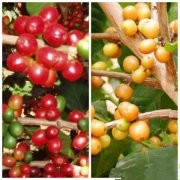
São Tomé and Príncipe Coffee: Origins and Flavor Guide
Learn about São Tomé and Príncipe’s unique coffee history, flavor profile, and export market, including its volcanic island growing conditions.

Where Does Reunion Island Coffee Come From?
Learn the forgotten history of Bourbon coffee, born in 18th-century Réunion, once France’s key Arabica hub—and why it nearly vanished.
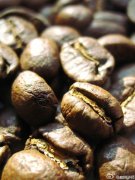
Tahiti Coffee: Rare and Distinctive Arabica Bean
Tahiti-grown coffee is extremely rare, offering balanced acidity and a smooth, elegant cup—here’s everything you need to know.
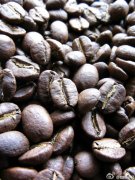
Venezuela’s Specialty Coffee: Origins, Flavors & Farms
Learn where Venezuela grows specialty coffee today, which regions produce the best beans, and what flavors to expect from its historic Typica and Bourbon varieties.
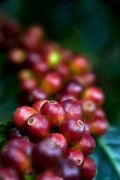
Mexico’s Specialty Coffee: Regions, Flavor & Roast Guide
Explore Mexico’s top coffee regions, flavor profile, and ideal roast levels for specialty-grade Mexican beans, including Chiapas and Oaxaca.
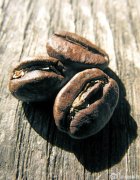
Saint Helena Coffee: Origins and Flavor Profile
Learn how Saint Helena’s historic coffee, first planted in 1732, developed its unique flavor and earned global recognition.
What Makes Rwandan Coffee Unique in Specialty?
Rwandan coffee offers bright citrus acidity, floral sweetness, and deep chocolate tones—qualities shaped by high altitudes and volcanic soil.
What Makes Burundi Coffee Unique?
Learn why Burundi’s high-altitude, small-farm arabica beans offer bright acidity and floral aromas ideal for pour-over and French press.