
Specialty Coffee Beans
Latest articles, industry insights and brewing guides

What Is Colombian Supremo Coffee? Key Facts
Colombian Supremo is a high-grade washed Arabica bean, grown mostly at 800–2300m in Colombia’s Andean regions. It’s prized for balance and sweetness.

What Is Brazilian Santos Coffee?
Brazilian Santos is the country’s most famous green coffee, known for its low acidity, nutty profile, and high-volume production from the São Paulo region.

What Is Aged Mandheling Coffee and Why Does It Matter?
Aged Indonesian Mandheling green beans develop deeper body and muted acidity over time. Learn why they’re prized and how they differ from fresh beans.

What Makes Hawaiian Kona Extra Fancy Coffee Special?
Hawaiian Kona Extra Fancy coffee benefits from unique volcanic soil, elevation, and climate. Discover the six key factors behind its premium quality.

Yunnan Bourbon AA Specialty Green Coffee Beans
Learn why Yunnan-grown Bourbon AA beans offer a sweet, fruity profile with low bitterness—perfect for pour-over and espresso. Here’s what makes them unique.
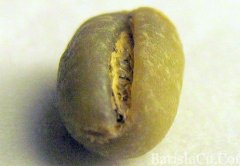
Jamaica Blue Mountain Mavis Bank Peaberry Green Beans
Only 2% of Jamaica Blue Mountain crops yield Peaberry beans—here’s what makes these rare Mavis Bank Peaberries uniquely smooth and bold.

Jamaica Blue Mountain Mavis Bank Grade 1 Green Beans
Explore the origins and standards behind Jamaica Blue Mountain Mavis Bank Grade 1 green coffee beans and what makes them unique.

What Makes Yunnan Coffee Special Among Global Origins?
Discover why Yunnan coffee ranks among the world’s best, with unique flavor traits and ideal growing conditions compared to other global origins.

Single-Origin Arabica Coffee Flavor Profiles by Country
Discover how climate, soil, and processing shape the distinct flavor traits of Arabica coffee from key global origins.

How Coffee Helps Burn Fat and Reduce Water Retention
Scientifically backed ways coffee aids fat loss and hydration balance—from timing, roast level, and adding milk or sugar.

The Real Cost Behind Kopi Luwak Coffee
Kopi Luwak coffee sells for hundreds per cup—but behind the luxury is a harsh reality of animal captivity and ethical concerns.

How Your Coffee Brewing Actions Affect Flavor
Find out how your movements during brewing impact espresso and milk drinks, plus how to make better coffee at home.
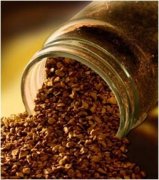
Top Instant Coffee Brand: Nestlé’s Global Rise
Nestlé introduced the world’s first instant coffee in 1938. Today, 4,000 cups are consumed globally per second, making it the leading instant brand.
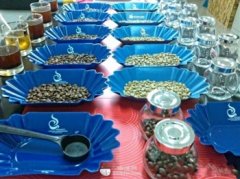
How to Define High-Quality Coffee: Key Factors Explained
A high-quality coffee depends on two core factors: origin and freshness. Learn what makes a coffee truly great, and why taste judgments matter.

How Kopi Luwak Coffee Is Farmed in Indonesia
Learn how civet cats are fed to produce kopi luwak, the controversial Indonesian coffee known for its unique fermentation process.

Key Coffee Flavor Terms Every Specialty Drinker Should Know
Understand 20+ professional coffee tasting terms like acidity, body, and sweetness. Learn how pros evaluate flavor in specialty coffee.
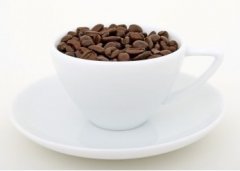
How to Brew Kopi Luwak Without Losing Its Fragrance
Learn how to brew Kopi Luwak to preserve its unique aroma and avoid common mistakes that cause flavor loss.
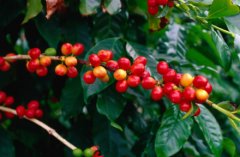
Kopi Luwak Coffee: What Makes It So Rare and Expensive?
Learn why Kopi Luwak is the world’s rarest coffee, how it’s made, and why a single cup can cost over $200.
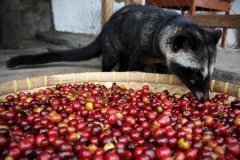
What Is Kopi Luwak Coffee and Why Is It So Expensive?
Kopi Luwak, also called civet coffee, is made from beans eaten and excreted by the Asian palm civet. It costs up to hundreds per pound due to rare processing.

Why Does Some Coffee Taste More Acidic?
Certain coffee origins and roast levels naturally produce more acidity. Learn which beans and brew methods bring out sour notes.