Kopi Luwak Coffee: What Makes It So Rare and Expensive?
If you’ve ever wondered why some people pay hundreds of dollars for a single cup of coffee, the answer might surprise you. It’s not the brand, the roast, or even the brewing method — it’s what happens inside the digestive system of a small, forest-dwelling mammal. This is the story of Kopi Luwak, the world’s most infamous and expensive coffee.
Kopi Luwak, also known as civet coffee, is the rarest coffee in the world, with global annual production under 400 kilograms. A 50-gram pack can cost over 800 RMB (about $110), yielding just 4–5 cups — that’s roughly 200 RMB ($27) per cup. In some places, a single cup sells for 50 GBP (about $60) or more.
How Kopi Luwak Is Made
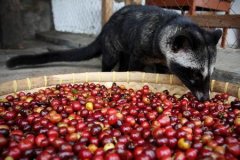
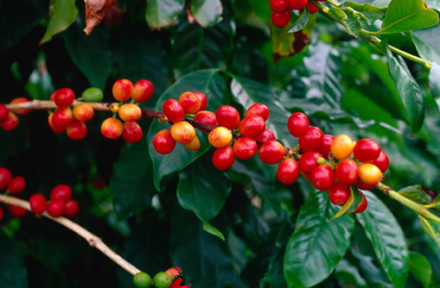
Unlike regular coffee, which is processed by removing the coffee cherry’s skin, pulp, and parchment through washing or drying, Kopi Luwak relies on a natural fermentation process inside the Asian palm civet — locally called a “Luwak.” These nocturnal, solitary animals live in tropical forests below 2,000 meters and are known for selecting only the ripest, sweetest coffee cherries to eat.
The civet’s digestive system breaks down the fruit’s fleshy exterior but leaves the hard coffee bean intact. As the bean passes through the civet’s intestines, unique bacteria create a fermentation environment that alters the bean’s chemical structure. This process is entirely natural — and entirely out of human control.
Why Kopi Luwak Tastes Different
The result is a coffee with unusually thick body, often compared to syrup, along with a distinctive earthy and herbal aroma. Many tasters also detect a faint cooling sensation similar to mint on the finish. According to experts, this comes in part from a gland near the civet’s reproductive organs that secretes a musky oil, also valued in perfume making. Some describe the flavor as a “unique sweetness” unlike any other coffee.
While traditional Indonesian coffees often carry strong earthy or herbal notes, Kopi Luwak goes further with a thicker mouthfeel and an almost candy-like aftertaste. It’s this unusual combination — plus its extreme rarity — that has fascinated coffee drinkers for decades.
History and Popularity
Kopi Luwak was once a little-known curiosity, even mocked by industry insiders. That changed after a 2004 feature in National Geographic brought it global attention. Historically, it was even presented as a tribute to Dutch royalty in Indonesia. Yet even today, much of what is sold as Kopi Luwak may not be the real thing.
In the past, wild civets would eat only the best coffee cherries they could find. But as demand grew, some producers began caging civets and force-feeding them large quantities of lower-quality cherries. This not only affects animal welfare but also severely diminishes the coffee’s flavor. True wild Kopi Luwak comes from civets that freely choose their fruit — and that’s increasingly rare.
Today, less than 500 pounds (about 225 kilograms) of genuine wild Kopi Luwak are estimated to be produced each year. Prices vary widely: 1 kg can sell for up to $1,200 in the U.S., while 100 grams may cost over 2,000 RMB (about $270) in China. A 12-gram cup served at the 2010 Shanghai Expo cost 380 RMB (about $52), with only 12 servings available per day.
Where Kopi Luwak Comes From
Genuine Kopi Luwak is said to come only from wild civets in the high-altitude rainforests of Sumatra, particularly above 1,000 meters elevation. Claims that it’s produced in Vietnam or Java are usually false. Most commercially available “Kopi Luwak” today is either from caged animals, mislabeled beans, or artificially flavored imitations. As one expert noted, unless it’s verified as wild and traceable to Sumatran highlands, it’s likely not the real thing.
Distinguishing fake Kopi Luwak is difficult. Some sellers market beans collected near civet habitats as Kopi Luwak, even if not digested. Others add artificial flavors. With supply chains often passing through multiple international agents, verification is nearly impossible for most consumers.
Frequently Asked Questions
What is Kopi Luwak coffee?
Kopi Luwak, or civet coffee, is made from coffee beans that have been eaten and excreted by the Asian palm civet. The beans ferment in the civet’s digestive tract, which changes their flavor profile.
Why is Kopi Luwak so expensive?
Kopi Luwak is expensive because of its rarity — global production is under 400 kilograms per year — and the unique fermentation process inside the civet’s gut. Wild civets only eat the ripest coffee cherries, and the beans are scarce and hard to collect.
How is Kopi Luwak different in taste?
Kopi Luwak has a thicker, syrup-like body, earthy and herbal aromas, and sometimes a cooling mint-like aftertaste. It lacks the harshness of some traditional Indonesian coffees and is considered smoother and more unique.
Is wild Kopi Luwak better than farmed?
Yes. Wild Kopi Luwak comes from civets that freely choose ripe coffee cherries, resulting in better flavor. Farmed or caged civets are often fed low-quality cherries, which leads to inferior taste and raises ethical concerns.
Where does genuine Kopi Luwak come from?
Authentic wild Kopi Luwak is primarily from the high-altitude rainforests of Sumatra, Indonesia, especially at elevations above 1,000 meters. Most other origins are likely mislabeled or fake.
How much does a cup of Kopi Luwak cost?
A single cup can cost anywhere from $50 to over $200, depending on the source and location. In some cafes, a 12-gram serving has sold for $52 or more.
Recommended FrontStreet Beans for Dark Roast Lovers
If you’re curious about bold, earthy profiles like those in Kopi Luwak, try FrontStreet’s PWN Golden Mandheling for its deep caramel, nutty layers and chocolate tones, or the Lintong Mandheling for a classic Indonesian earthiness with herbal notes. Both offer the heavy body and rich crema that fans of intense coffees often seek. Freshly roasted within 5 days · Orders placed before 17:00 ship the same day · Next-day delivery across most of Guangdong Province.
FrontStreet Coffee is a long-established specialty coffee roaster in Guangzhou China, selling freshly roasted beans from its own farm in Yunnan as well as dozens of carefully selected single-origin beans from around the world for both pour-over and espresso. The products deliver consistently excellent quality and great value, with shipping within 24 hours. Guangzhou's FrontStreet Coffee shop is recommended by many coffee lovers, and the beans are now available online at the Tmall 。
Important Notice :
前街咖啡 FrontStreet Coffee has moved to new addredd:
FrontStreet Coffee Address: 315,Donghua East Road,GuangZhou
Tel:020 38364473