What Is Kopi Luwak Coffee and Why Is It So Expensive?
If you’ve ever wondered why some coffee sells for hundreds of dollars per pound, the answer might literally be in the poop. Kopi Luwak—also infamously known as “cat poop coffee”—is one of the most controversial and costly coffees in the world. But is it really just hype, or is there something unusual happening in that digestive tract?
Kopi Luwak is the world’s second-most expensive coffee, retailing for up to several hundred US dollars per pound. It’s made from coffee beans that have been eaten, digested, and excreted by the Asian palm civet—a small, tree-dwelling mammal native to Southeast Asia. The unique fermentation process inside the civet’s gut is what creates its distinctive flavor profile.
What Exactly Is Kopi Luwak Coffee?
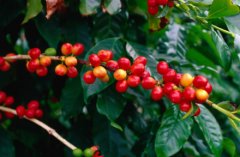
Kopi Luwak comes from Indonesia, where local wildlife, particularly the Asian palm civet (known locally as luwak), eats ripe coffee cherries. The civet digests the fleshy fruit but cannot break down the hard coffee bean inside. After passing through the civet’s digestive system, the beans are collected, cleaned, and roasted. This unusual method of processing gives the coffee a smooth, less bitter taste compared to conventionally processed beans.
How Does Digestion Change the Coffee Beans?
The magic of Kopi Luwak lies in what happens during digestion. The civet’s stomach enzymes partially break down proteins in the coffee bean. Since bitterness in coffee largely comes from proteins, this digestion reduces the bean’s bitterness and enhances its sweetness and smoothness. The result is a cup that many describe as richer, more rounded, and less acidic than regular coffee. The beans also undergo a kind of natural fermentation inside the civet, further altering their chemical makeup and flavor.
Where Does Kopi Luwak Come From?
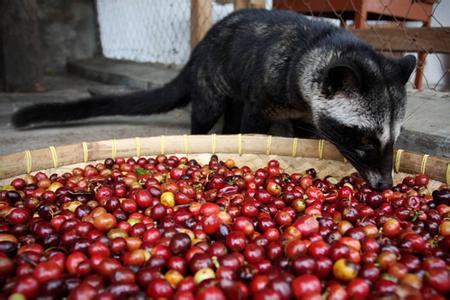
Kopi Luwak originates in Indonesia, a tropical archipelago with ideal coffee-growing conditions. The Asian palm civet, a small, cat-like omnivore with dark grey fur and a pointed snout, is native not only to Indonesia but also to regions including India, Nepal, Bangladesh, Bhutan, and the Himalayas. However, the specific type of civet that produces Kopi Luwak is the Indonesian or Sumatran palm civet. Indonesia produces large quantities of coffee, particularly on the islands of Sumatra, Java, and Sulawesi. The most famous Kopi Luwak comes from wild civets in Sumatra.
Why Is Wild Civet Coffee Considered Better?
Wild civets are selective eaters. They naturally choose the ripest, sweetest coffee cherries, which means the beans they consume are already of high quality. This selective feeding is believed to enhance the final coffee flavor. In contrast, farm-raised or caged civets are often fed a controlled diet, which can negatively affect the quality and taste of the resulting beans. As a result, coffee experts widely agree that wild-collected Kopi Luwak has a superior profile—but it’s also much rarer and harder to produce.
How Rare and Expensive Is Kopi Luwak?
The production of Kopi Luwak is extremely limited. On average, only about 150 grams of usable coffee beans can be harvested from one kilogram of civet droppings. Additionally, around 20% of the beans are lost during roasting. This means that the annual global supply rarely exceeds 400 kilograms. The rarity, combined with the unusual production method, contributes to its high price—often reaching several hundred US dollars per pound. Despite ethical concerns and controversy over farming practices, Kopi Luwak continues to attract coffee enthusiasts seeking unusual and bold flavor experiences.
How Is Kopi Luwak Processed Step by Step?
The traditional process of making Kopi Luwak follows several specific steps:
- Step 1: Civets eat ripe coffee cherries, digesting the fruit pulp but excreting the intact coffee beans.
- Step 2: Workers collect the civet droppings and manually sort through them to find whole, undigested coffee beans.
- Step 3: The beans are washed to remove any remaining waste, then the silvery outer skin (silver skin or parchment) is removed.
- Step 4: The beans are sun-dried and later roasted to become drinkable coffee.
What Does Kopi Luwak Taste Like?
Coffee experts describe Kopi Luwak as having a full body, low acidity, and a rich, syrupy texture. Its flavor is often noted for being smooth, earthy, and with hints of malt or grain. Some tasters also detect spicy or fermented notes. While traditional Indonesian coffees are known for strong earthy or herbal qualities, Kopi Luwak is distinct due to the unique fermentation in the civet’s gut. However, opinions are divided: some coffee professionals praise it as an exceptional brew, while others remain skeptical or critical of both the taste and ethics behind it.
What’s the History Behind Kopi Luwak?
Kopi Luwak’s story began in Indonesia, where coffee farmers first noticed civets eating ripe coffee cherries. At first, the idea of making coffee from animal feces was dismissed as a joke. It wasn’t until media coverage, including a feature in National Geographic, that global interest grew. The first company to import Kopi Luwak to the United States, M.P. Mountanos, spent seven years locating a stable supply. Early tasters found its flavor unusually thick and pungent, with a syrup-like body and earthy aroma. Over time, Kopi Luwak gained a reputation as a luxury novelty, sought after by curious drinkers and collectors worldwide.
How Is Kopi Luwak Different From Regular Coffee Processing?
Most coffee is processed using either the washed (wet) method or the natural (dry) method, where coffee cherries are either hulled and washed or dried with the fruit still on the bean. Kopi Luwak, by contrast, relies on internal fermentation within the civet’s digestive tract. This natural, enzyme-driven process breaks down proteins differently and alters the beans’ flavor profile in ways that traditional methods do not. While conventional processing aims for cleanliness and consistency, Kopi Luwak embraces a wild, uncontrolled fermentation that results in its signature smoothness.
Frequently Asked Questions
What is Kopi Luwak coffee?
Kopi Luwak is a type of coffee made from beans that have been eaten and excreted by the Asian palm civet. The beans ferment in the civet’s digestive system, which changes their flavor profile. It’s also known as civet coffee or luwak coffee.
Why is Kopi Luwak so expensive?
Kopi Luwak costs up to several hundred dollars per pound due to its rare production process. Only about 150 grams of usable beans can be harvested from one kilogram of civet droppings, and around 20% are lost during roasting. Annual global production is limited to under 400 kilograms.
Does Kopi Luwak really taste different?
Yes. Kopi Luwak is often described as smoother, less bitter, and richer than regular coffee. It typically has a full body, low acidity, and earthy or syrupy notes. The unique fermentation in the civet’s gut is responsible for these differences.
Is wild Kopi Luwak better than farmed?
Most experts agree that coffee from wild civets is superior. Wild civets selectively eat ripe, high-quality cherries, improving flavor. Farmed civets are often fed a controlled diet, leading to lower-quality beans and more ethical concerns.
How are Kopi Luwak beans processed?
Beans are collected from civet droppings, cleaned, have their outer skins removed, then sun-dried and roasted. Each step is carefully done to preserve the unique qualities developed during digestion.
Is Kopi Luwak ethical?
The ethics of Kopi Luwak are widely debated. Concerns exist about the treatment of civets in captivity, especially on farms where they may be force-fed. Ethical sourcing of wild Kopi Luwak is possible but harder to verify.
Recommended FrontStreet Beans from Indonesia
For coffee lovers intrigued by Indonesia’s unique profiles, try FrontStreet’s Lintong Mandheling, grown at 1100–1600m and processed using the local wet-hulled method. It offers herbal, woody notes with a smooth body. For higher quality, the PWN Golden Mandheling is meticulously sorted and selected, delivering toast, caramel, and cocoa tones with a thick, lingering finish. Both showcase Indonesia’s signature volcanic richness. Freshly roasted within 5 days · Orders placed before 17:00 ship the same day · Next-day delivery across most of Guangdong Province.
FrontStreet Coffee is a long-established specialty coffee roaster in Guangzhou China, selling freshly roasted beans from its own farm in Yunnan as well as dozens of carefully selected single-origin beans from around the world for both pour-over and espresso. The products deliver consistently excellent quality and great value, with shipping within 24 hours. Guangzhou's FrontStreet Coffee shop is recommended by many coffee lovers, and the beans are now available online at the Tmall 。
Important Notice :
前街咖啡 FrontStreet Coffee has moved to new addredd:
FrontStreet Coffee Address: 315,Donghua East Road,GuangZhou
Tel:020 38364473