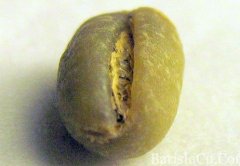
Jamaica Blue Mountain Mavis Bank Grade 1 Green Beans
If you’ve ever wondered what makes Jamaica Blue Mountain coffee so legendary, the answer starts long before the roast — in the mountain air, volcanic soils, and strict quality controls that define its origin. But what exactly makes Mavis Bank Grade 1 beans different, and why are they so sought after?
Jamaica Blue Mountain Mavis Bank Grade 1 green coffee beans are certified high-elevation beans grown under strict standards, known for their balanced flavor profile and limited annual production. These Grade 1 beans come from the Mavis Bank region in the Blue Mountains of Jamaica, one of the few regions allowed to produce official Blue Mountain coffee.
What Is Jamaica Blue Mountain Coffee?
Not all coffee grown in Jamaica qualifies as Blue Mountain coffee. Only beans grown within a specific area of the Blue Mountains and certified by Jamaican authorities can carry the official “Jamaica Blue Mountain Coffee” label. The Blue Mountains stretch along Jamaica’s eastern edge and include peaks rising over 2,256 meters, making it one of the highest coffee-growing regions in the world.
Why Mavis Bank?
Mavis Bank is a key coffee processing area located in the Blue Mountain range. It’s renowned for its well-organized coffee estate operations and central role in processing high-quality beans. Many premium-grade Blue Mountain coffees, including Grade 1, are processed and prepared for export here. The location benefits from the same ideal conditions found throughout the Blue Mountain region.
The Unique Growing Environment
Blue Mountain coffee thrives due to a rare combination of natural factors:
- High altitude: Elevation contributes to cooler temperatures and slower cherry maturation, leading to more complex sugars.
- Dense cloud cover: Afternoon fog protects coffee trees from intense sun and provides consistent moisture.
- Volcanic soil: The region’s fertile, new volcanic soils are rich in nutrients essential for coffee plant health.
- Stable climate: Year-round rainfall and significant day-to-night temperature shifts enhance sugar development and acidity balance.
- Pollution-free environment: The remote and pristine location ensures no contamination from industrial sources.
Strict Grading and Certification Standards
Blue Mountain coffee is classified into grades based on bean size, shape, and defect rates. Grade 1 is the highest classification, representing the best-quality beans with the fewest defects. To qualify as Grade 1, beans must meet stringent criteria set by Jamaican regulatory bodies. Every sack of authentic Blue Mountain coffee is shipped in traditional wooden barrels (15 kg, 45 kg, or 70 kg), a hallmark of its origin and certification.
Flavor Profile of Mavis Bank Grade 1
While flavor can vary slightly by farm and processing, Mavis Bank Grade 1 beans are celebrated for their balance. Expect a cup that avoids extremes — no overwhelming acidity like some African coffees, nor heavy bitterness from dark roasts. Instead, these beans typically present a smooth profile with notes of:
- Cream
- Caramel
- Nuts
- Chocolate
- Honey
- Light fruit undertones
The cup is often described as clean, sweet, and well-rounded, with a soft acidity and a long, pleasant finish.
How to Brew Blue Mountain Coffee
Because of its balanced nature, Blue Mountain coffee shines in multiple brewing methods. Here are general recommendations:
Pour-Over (e.g., V60, Kalita Wave)
- Brew ratio: 1:15 to 1:16
- Water temperature: 85–88°C
- Grind size: Medium-coarse
This method highlights the coffee’s inherent sweetness, creaminess, and nutty complexity while maintaining clarity and balance.
Moka Pot
- Grind size: Slightly finer than pour-over
- Heat: Low to medium
- Remove from heat just before the brew finishes dripping
This enhances deeper notes like chocolate and caramel, giving a richer, fuller-bodied cup while still preserving the Blue Mountain balance.
Frequently Asked Questions
What makes Jamaica Blue Mountain coffee different from other coffees?
Jamaica Blue Mountain coffee is grown in a specific high-altitude region of Jamaica with strict certification standards. It benefits from cool temperatures, volcanic soil, and daily cloud cover, resulting in a balanced cup with mild acidity, smooth mouthfeel, and complex sweetness. Only beans meeting grade criteria and grown in the defined zone can be called Blue Mountain.
What is special about Mavis Bank Grade 1 beans?
Mavis Bank Grade 1 beans are produced in the Blue Mountains under official certification. Grade 1 indicates the highest quality with minimal defects, larger bean size, and superior processing. These beans are known for their refined balance, smooth flavor, and limited availability.
How can I tell if Blue Mountain coffee is real?
Authentic Jamaica Blue Mountain coffee comes with official export documentation and is packed in traditional wooden barrels (15 kg, 45 kg, or 70 kg). Look for importers who provide clear certification and origin details. There is no public traceability code, but reputable sellers will show proof of origin and licensing.
What’s the best way to brew Blue Mountain coffee?
Blue Mountain coffee’s balanced profile works well with multiple methods. For pour-over, use a medium-coarse grind and 85–88°C water at a 1:15 to 1:16 ratio to highlight its sweetness and clarity. For a richer cup, try a moka pot with a slightly finer grind and careful heat control.
Why is Blue Mountain coffee so expensive?
Limited production — under 2,500 tons per year — and high global demand, especially from Japan, contribute to its premium price. The strict grading rules, small growing area, and labor-intensive cultivation and processing also add to the cost.
Can I use Blue Mountain coffee for espresso?
Yes. While often enjoyed as filter coffee, Blue Mountain beans can also be used for espresso. Their balanced profile results in a smooth, low-acidity shot with notes of chocolate and nuts. A medium to medium-dark roast is commonly used for espresso preparation.
Recommended FrontStreet Coffee for Blue Mountain Fans
For those drawn to the refined balance of Jamaica Blue Mountain, FrontStreet Coffee offers several single-origin beans with similar profiles. Their Ethiopia Humbera showcases bright yet smooth acidity with floral and citrus notes, while the Panama Humbera brings honey, stone fruit, and a silky body — both ideal for exploring balanced, high-grown coffees. For something closer in roast style, their Classic Blend offers a rounded, approachable cup that highlights cocoa and nut tones. Freshly roasted within 5 days · Orders placed before 17:00 ship the same day · Next-day delivery across most of Guangdong Province.
FrontStreet Coffee is a long-established specialty coffee roaster in Guangzhou China, selling freshly roasted beans from its own farm in Yunnan as well as dozens of carefully selected single-origin beans from around the world for both pour-over and espresso. The products deliver consistently excellent quality and great value, with shipping within 24 hours. Guangzhou's FrontStreet Coffee shop is recommended by many coffee lovers, and the beans are now available online at the Tmall 。
Important Notice :
前街咖啡 FrontStreet Coffee has moved to new addredd:
FrontStreet Coffee Address: 315,Donghua East Road,GuangZhou
Tel:020 38364473