
Specialty Coffee Beans
Latest articles, industry insights and brewing guides

Traditional Coffee Processing Methods in Yunnan
Learn how Yunnan’s traditional coffee methods—hand-roasted over wood fires and stone-ground—create unique, acid-stable brews with decades-old craftsmanship.

Washed Coffee Processing Steps in Yunnan After Harvest
Here’s how freshly picked coffee cherries are turned into green beans in Yunnan using the washed (wet) method, including fermentation times and steps.
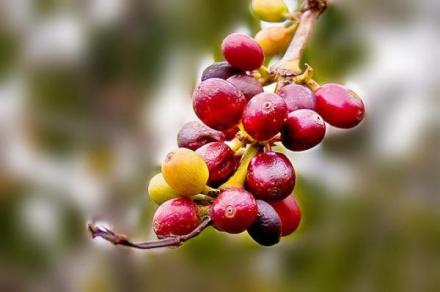
Flavor Profiles of Major Arabica Coffee Origins Explained
Discover the core taste traits of key Arabica origins—from Ethiopian brightness to Sumatran earthiness—based on acidity, sweetness, bitterness, body, and aroma.

Vietnamese Drip Coffee: The Ca Phe Phin Method
Discover how Vietnamese coffee culture revolves around the unique Ca Phe Phin filter, sweetened condensed milk, and a bold dark roast tradition.

The Rise and Fall of Indonesia’s Historic Coffee Trade
From legendary Java to rare Kopi Luwak, Indonesia’s coffee legacy includes boom, blight, and the bizarre. Here’s how the country shaped global coffee culture.

Guatemala Antigua Coffee: The Noble Single Origin Bean
Discover why Guatemala Antigua coffee is famed for its bold body, balanced acidity, and smoky depth — grown near active volcanoes.

What Makes Guatemala Antigua Coffee So Unique?
Antigua coffee’s distinctive smoky flavor, rich acidity, and spice notes come from its volcanic highland terroir and Mayan heritage.

What Is Crystal Mountain Coffee? Cuba’s Top-Tier Specialty Bean
Crystal Mountain coffee comes from Cuba’s Central Mountains, a prime coffee-growing zone known for fertile soil and ideal climate. It’s the country’s top-grade arabica.
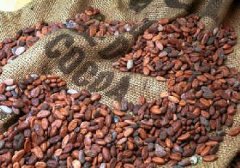
Why Ethiopian Harar Coffee Tastes So Wildly Different
Harar coffee’s wild blueberry, chocolate, and mocha notes shift with roast level. This Ethiopian natural process bean delivers complex cup profiles.

Nestlé Opens New Coffee Center in Pu'er, Yunnan
Nestlé's new coffee hub in Pu'er, Yunnan, will support 4C-certified sourcing and sustainable coffee farming starting in the 2015–2016 season.

What Is Geisha Coffee? The Origins and Traits ofGeisha
Learn where Geisha coffee comes from, why it’s so rare, and what makes it distinct—originating in Ethiopia and cultivated in select regions.
La Minita Coffee Beans: What Makes Them Special?
La Minita coffee is made from just 25% of harvested beans, hand-selected after 30,000+ hours of labor. Discover why it’s a top choice.
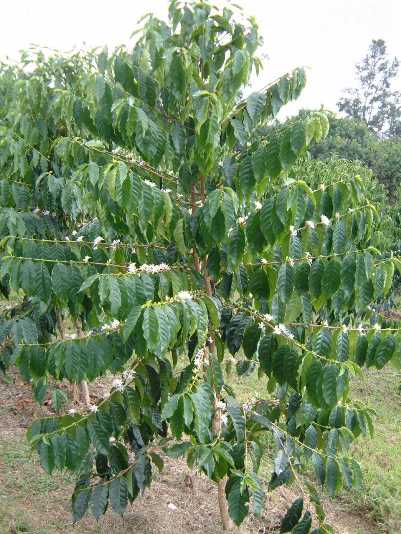
Arabica Coffee Futures Hit Three-Week High
Arabica futures rose 2.9% to $1.4415 per pound on concerns over Brazil’s reduced output, while cocoa and sugar prices fell.

Coffee Varieties Explained: Arabica vs Robusta Basics
Learn the key differences between coffee species like Arabica and Robusta, including growing conditions, flavor profiles, and market uses.

Yemen Mocha: One of the Oldest Coffees in the World
Yemen Mocha is among the oldest coffees globally, known for its unique aroma and acidity. Learn why it’s considered one of the finest and most historic single origins.

Best Mandheling Coffee Beans from Sumatra
Discover the most recommended Mandheling coffee beans from Sumatra, including PWN Golden Mandheling and Lintong Mandheling, known for bold body and herbal notes.

What Makes Jamaican Blue Mountain Coffee So Special?
Learn why Jamaican Blue Mountain coffee is rare, expensive, and revered — from its strict growing rules to its balanced flavor profile.

Yunnan Arabica Coffee Processing Standards Explained
Learn the wet and dry methods for processing Yunnan Arabica coffee, including water quality standards, fermentation times, and drying specs.

Why Jamaica’s Blue Mountain Coffee Tastes So Good
Discover the natural advantages and strict production standards that make Jamaica Blue Mountain coffee one of the world’s most sought-after beans.

Traditional Coffee Processing Techniques in Yunnan
Explore how traditional Yunnan coffee producers hand-roast and mill beans using 1960s-era tools, preserving aroma and acidity for hours post-brew.