
Specialty Coffee Beans
Latest articles, industry insights and brewing guides
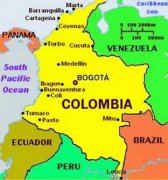
What Makes Colombian Coffee Unique? A Deep Dive
Colombia ranks third globally in coffee production, growing 744,000 tonnes annually. Discover why its beans are prized for sweetness, body, and diverse flavor profiles.

Jamaica Blue Mountain: The King of Specialty Coffee
Learn why Jamaica Blue Mountain coffee is so revered, from its unique climate to strict production limits—and how to spot the real thing.

What Is Jamaica Blue Mountain No.1 Coffee?
Discover the flavor, scarcity, and proper brewing of Jamaica Blue Mountain No.1, one of the world’s most prestigious single-origin coffees.

Why Kopi Luwak Is Considered a Luxury Coffee
Kopi Luwak is rare and expensive due to its unique wild fermentation process and limited production. Here’s why it’s still a sought-after specialty coffee.
Why Kopi Luwak Coffee Costs So Much
Kopi Luwak, or civet coffee, costs up to $50 per cup due to rare production methods and limited annual supply under 400kg worldwide.

The Origins and Culture of Kopi Luwak Coffee
Learn how Kopi Luwak entered the U.S. market and why its bold, earthy profile divides coffee experts. Discover the facts behind civet coffee.

How Kopi Luwak Coffee Is Made: The Civet Coffee Process
Kopi Luwak is made from coffee beans eaten and excreted by civets. Here’s how the controversial delicacy is produced, and why it tastes different.
What Makes Colombian Geisha Coffee Unique
Colombian Geisha features bright acidity, floral and fruity notes, medium body, and a sweet aftertaste. Here’s what sets it apart.

Jamaica Blue Mountain, Cuba Crystal Mountain, Hawaii Kona Coffee Explained
Learn what makes Jamaica Blue Mountain, Cuba Crystal Mountain, and Hawaii Kona coffees unique, from origin to flavor and why they command premium prices.

What Is Kopi Luwak Coffee and Where Does It Come From?
Kopi Luwak, or civet coffee, originates in Indonesia. Fermented in the digestive tract of civet cats, it’s rare and distinctive—but controversial.

What Is Jamaica Blue Mountain Coffee?
Learn what makes Jamaica Blue Mountain coffee rare and balanced, where it’s grown, and how to brew it properly.

Which Coffee Has the Most Caffeine? Not Espresso—Try Dried Geisha Fruit
Dried Geisha coffee cherries have the highest caffeine concentration—more than espresso or cold brew. One small serving caused rapid heart rate and dizziness.

Arabica Coffee Futures Plunge 4% Amid Speculative Selling
Arabica coffee futures dropped 4% to near 13-month lows as the Brazilian real weakened and speculative traders increased bearish bets.

The Two Main Coffee Species: Arabica vs Robusta
Most commercial coffee comes from either Arabica or Robusta beans. Learn their key differences in flavor, caffeine, growing conditions and usage.

What Is Arabica Coffee? The Original Coffea arabica Explained
Arabica coffee, or Coffea arabica, is the most widely grown and traditional coffee species, making up around 75% of global production.
Yunnan Arabica Coffee: Growing Conditions & Brewing Guide
Learn why Yunnan grows some of the world’s best mild, fruity Arabica coffee, and how to brew it perfectly using a siphon (vacuum) pot.

Mandheling Coffee Culture and Its Rich Heritage
Explore the origins, processing, and flavors of Mandheling coffee, including legendary PWN Golden Mandheling and aged reserves.

What Makes Jamaican Blue Mountain Coffee So Special?
Learn why Jamaican Blue Mountain coffee is rare, expensive, and uniquely balanced—with details on growing conditions, production limits, and global exports.
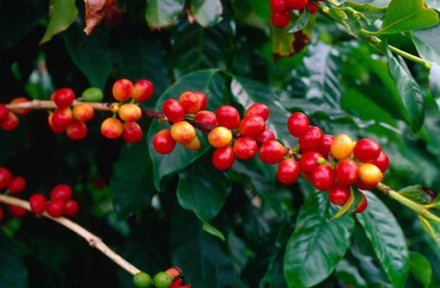
Nestlé Opens Coffee Center in Yunnan’s Pu’er
Nestlé breaks ground on a major coffee training and logistics hub in Pu’er, Yunnan, set to boost local production and support farmers by 2015-16 season.

When Was Coffee First Introduced in China? The 1893 Yunnan Origin Story
Tracing China’s earliest coffee cultivation to 1893 in Yunnan’s Dehong region, based on oral histories, missionary records, and surviving trees.