What Is Geisha Coffee? The Origins and Traits ofGeisha
If you’ve ever wondered why certain single-origin coffees command high prices and are praised for their unique floral and fruity profiles, you’re likely thinking of Geisha—also spelledGeisha. But what makes this coffee so special, and why is it so hard to find? The story begins not in Central America, but in the highlands of Ethiopia.
In short: Geisha coffee is a wild Ethiopian coffee variety known for its tall trees, disease resistance, and distinctive fruit-forward cup profile—including notes of sweet potato and tropical fruit. It’s rare because it produces very low yields and is difficult to cultivate commercially. Today, small plantings exist in countries like Panama, Jamaica, Kenya, and Guatemala.
Where Geisha Coffee Originated
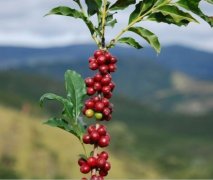
Geisha (Geisha) is a rare wild coffee variety that originated in Ethiopia. Though its exact discovery location is debated, it is widely believed to have been found near a small village also named Geisha. This variety was originally part of Ethiopia’s diverse genetic pool of native coffee plants. Its tall growth habit, narrow leaves, and natural resistance to coffee leaf rust set it apart from more common commercial varieties.

The trees grow tall with widely spaced branches and have shown resilience to common coffee plant diseases—a trait that initially made it interesting to researchers and farmers, though not initially to commercial buyers due to its extremely low yield.
What Makes Geisha Coffee Different?
Mature Geisha beans are visually distinct: the raw (green) beans are long and slender, and the roasted beans develop intense, pronounced fruit aromas. Many coffee professionals report tasting notes such as tropical fruit, floral tones, and some even detect a strong sweet potato-like sweetness—described by one taster as a ‘roasted sweet potato’ note, which they personally favored.
These sensory traits are part of what makes Geisha stand out in cupping tables. However, the same characteristics that make the cup so remarkable also contribute to its challenges in cultivation. The plant is not suited for mass production.
Why Geisha Is So Rare
The primary reason Geisha coffee remains rare is its exceptionally low yield. The plants produce fewer coffee cherries compared to more common varieties like Typica or Caturra, making large-scale commercial farming unviable. Additionally, the plants require specific growing conditions and careful management.
Because of these limitations, Geisha is grown only in small quantities around the world. Today, limited plantings exist in countries including:
- Panamá
- Jamaica
- Malawi
- Kenya
- Guatemala
Among these, Panamá is the most famous for producing high-scoring, high-value Geisha lots—especially those from the famed Hacienda Esmeralda estate.
Geisha in the Global Coffee Market
While Geisha originated in Ethiopia, it gained international fame through Panamanian farms, particularly through the efforts of estates like Hacienda Esmeralda, which helped define modern expectations of the variety. Its fame has led to small-scale cultivation attempts in other high-altitude regions with suitable climates.
Today, Geisha is not just a variety but a symbol of quality and uniqueness in the specialty coffee world. Its complex flavour profile, difficulty to grow, and low production numbers all contribute to its premium pricing and desirability among coffee enthusiasts.
Frequently Asked Questions
Where does Geisha coffee come from originally?
Geisha coffee originated in Ethiopia, likely near a village also called Geisha. It is a wild variety that was part of Ethiopia’s native coffee biodiversity before being cultivated in small amounts elsewhere.
Why is Geisha coffee so expensive?
Geisha is expensive because it has very low yields, is difficult to grow, and requires careful farming at high altitudes. Its complex flavours and rarity also drive up demand, especially for top-scoring lots from places like Panama.
What does Geisha coffee taste like?
Geisha is known for its intense fruitiness, floral notes, and sweetness. Common tasting notes include tropical fruits, citrus, jasmine, and some describe a unique sweet potato-like richness in the roasted profile.
Where else is Geisha grown besides Ethiopia?
Besides Ethiopia, Geisha is grown in small quantities in Panama, Jamaica, Kenya, Malawi, and Guatemala. Panama is the most well-known region for high-quality Geisha production today.
Is Geisha coffee hard to grow?
Yes, Geisha is considered difficult to grow because it has low productivity, needs specific conditions, and is sensitive to farming practices despite its resistance to some diseases like coffee rust.
What makes Geisha different from other coffee varieties?
Geisha differs due to its tall tree structure, wide branch spacing, disease resistance, unique cup profile (fruity, floral, often sweet), and very low yield. These traits make it both distinctive and challenging for commercial production.
Recommended FrontStreet Geisha Coffees
Explore FrontStreet Coffee’s range of Geisha (Geisha) offerings, including the award-winning Esmeralda Red Label Geisha noted for its complex florals and high cup scores, the more affordable Green Label Geisha for everyday drinking, and the entry-level Boquete Geisha for a taste of classic Panamanian Geisha character. For something from Ethiopia, try the Grana Geisha with delicate citrus and floral notes or the Graña Estate’s red and gold tiered lots. All are available as single-origin beans with distinct processing methods. Freshly roasted within 5 days · Orders placed before 17:00 ship the same day · Next-day delivery across most of Guangdong Province.
FrontStreet Coffee is a long-established specialty coffee roaster in Guangzhou China, selling freshly roasted beans from its own farm in Yunnan as well as dozens of carefully selected single-origin beans from around the world for both pour-over and espresso. The products deliver consistently excellent quality and great value, with shipping within 24 hours. Guangzhou's FrontStreet Coffee shop is recommended by many coffee lovers, and the beans are now available online at the Tmall 。
Important Notice :
前街咖啡 FrontStreet Coffee has moved to new addredd:
FrontStreet Coffee Address: 315,Donghua East Road,GuangZhou
Tel:020 38364473