
Specialty Coffee Beans
Latest articles, industry insights and brewing guides

A brief introduction to the grading system of Ethiopian, Ethiopian and Bancimaji coffee beans
In the West, Ethiopian coffee is generally sold on the market as Yega Feixidamo and Harald (Yirgacheffee, Sidamo and Harrar). In the field of boutique coffee, there are also five other small places of coffee, namely Lim, Gemma, Le Campdi, Becca and Limmu, Djimmah, Lekempti, Bebeka and Wolega. What you see most often is

A brief introduction to the taste and flavor characteristics of boutique Banqi Maggie coffee beans in southwestern Ethiopia
This year, we will introduce this unique style of sun-tanned coffee to share with more friends. Banchimaji Bench Maji, located in southwestern Ethiopia and not far from neighboring Sudan, is easy to find using Google map. Although the flavor of Bancimaji Gesha Estate is different from that of Panamanian Geisha, it is still worth tasting in Ethiopia.
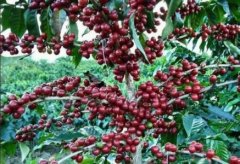
A brief introduction to the producing areas and treatment methods of Banchi Maggie Solar geisha in Ethiopia
Banchimaji Bench Maji, located in southwestern Ethiopia and not far from neighboring Sudan, is easy to find using Google map. Although the flavor of Bancimaji Gesha Estate is different from that of Panamanian Geisha, it is still worth tasting. It is rare and changeable spice and fruit flavor in Ethiopia. This manor is
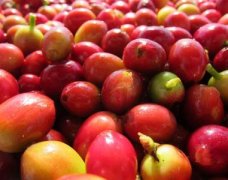
Global Coffee producing area-introduction to Kenya: market and cultivation of Coffee in Kenya
Kenyan coffee market: the Kenyan government takes the coffee industry very seriously, where it is illegal to cut down or destroy coffee trees. Kenyan coffee buyers are world-class high-quality coffee buyers, and no other country can grow, produce and sell coffee on a continuous basis like Kenya. All coffee beans are first made by the Kenya Coffee Commission (CoffeeBoardofKenya)

Introduction to coffee flavor from different coffee producing areas around the world: Kenyan coffee
Kenyan coffee has a slightly sour, thick aroma, raw bean particles are small, green to grayish green. Kenya's coffee beans are washed Arabica species, famous for (Kenya Arabica), especially in the United Kingdom, Kenyan coffee surpassed Costa Rican coffee to become one of the most popular coffee. Flavor: fragrant, full-bodied, with fruit flavor, rich and perfect taste suggested baking

Wonderful fruit flavor-A brief introduction to the taste and flavor of Kenyan boutique coffee
Kenya AA coffee beans are adjacent to Ethiopia, the origin of Arabica coffee trees in the north of Kenya, but it was not until the beginning of the 20th century that they began to engage in coffee cultivation. In the 19th century, missionaries introduced Arabica trees from the leaves, but did not plant them in large quantities. It was not until 1893 that coffee was cultivated on a large scale after the introduction of Brazil's ancient "bourbon" coffee seeds. That is to say,

Kenya Coffee AA Premium Coffee Bean-Kenya's rare good coffee
The Kenyan government takes the coffee industry extremely seriously, and it is illegal to cut down or destroy coffee trees here. Kenya's coffee buyers are world-class buyers of premium coffee, and no country grows, produces and sells coffee as consistently as Kenya. All coffee beans are first collected by the Coffee Board of Kenya (CBK)

A brief introduction to the producing area of boutique coffee in the world: the rise of Kenya
Internationally, the increase in the number of Kenyan coffee is obvious. From 1969 to 1970, 800000 bags were exported, and from 1985 to 1986, exports increased to 2 million bags. Now the yield is stable at 1.6 million bags, with an average yield of about 650kg per hectare. Even before coffee prices skyrocketed in recent years, the average price of coffee in Kenya had been rising. Price from 1993 to 1994
Why is Brazilian coffee called the "giant" and "monarch" of the coffee world?
Old bourbon coffee is grown on some estates in the Serrado district of Minas Greais state in southeastern Brazil. Old varieties of bourbon coffee grown on these estates, such as Capin Branco and Vista Allegre, are also sold on the market. Although they come from the same area, these coffees have their own characteristics. Card

Popular knowledge of boutique coffee beans: a brief introduction to Brazilian Bourbon Santos Coffee
The bourbon of Brazil's Bourbon Santos comes from the Bourbon Island of the Bourbon Inambek Coffee Tree (BOURBON), which is now LA RUNION, once the thriving place of Arabica coffee. The Arabica coffee tree produced on this island has been introduced to all parts of the world, and Brazil Bourbon Santos is their descendant. Brazil is the largest coffee producer in the world.

The unique charm of Brazilian coffee: Brazil is the largest coffee producer in the world
The best interpreter of soft bean aesthetics-Daterra Farm, Brazil's national treasure, has brought Brazil's soft bean aesthetics into full play after 20 years of research and development and cultivation. Denmark's barista Troels Paulsen won the second ○○ Fifth World Cup barista contest (Wo) with the espresso formula of Datela Sweet Congregation (Daterra Sweet Collection).

General knowledge of the origin of coffee beans: a brief introduction to Brazilian coffee beans
Brazilian coffee has been growing single crops for a long time and developing the tropical plantation economy, so Brazilian coffee has been its pillar industry for a long time. From the market point of view, coffee and its processed products play an important role in mental workers because they are rich in caffeine and exhilarating, so they play a huge role in modern society, so the market is wide.

Introduction of Nicaraguan boutique coffee: cultivation, treatment and flavor characteristics
Nicaragua is one of the major coffee producing countries, producing high quality coffee. Even coffee from the Antigua Mountains of Guatemala, which is famous in Asia, imports raw beans from Nicaragua. Although Nicaraguan coffee is not famous in Asia, Nicaragua coffee is already famous all over the world (Starbucks has many cooperative coffee farmers in Nepal), while several coffee producing countries in Central America

Let me tell you about Nicaraguan coffee: how does Nicaraguan coffee taste?
Unlike grapes, coffee cherries usually take three months to ripen. The harvest season in Nicaragua is from November to February, which is similar to the coffee harvest time in Yunnan. Nicaragua coffee is obscure compared with Guatemala coffee. Compared with the mountain beans in Guatemala, the beans in Nicaragua are more balanced.

A brief introduction to the planting manor, growing environment and treatment of Nicaraguan coffee
Traditional Nicaraguan coffee farmers are used to using water washing method for subsequent processing of coffee fruits. Coffee farmers are more accustomed to using water washing to ensure that the flavor of raw coffee beans is more stable and clean. it was not until about 2009 that the traditional attitudes of coffee farmers changed and began to try processing methods such as full sun and honey in more areas. Nicaragua is located in central Central America.
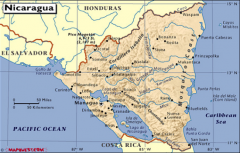
A brief introduction to the flavor characteristics, species and planting areas of Nicaragua
Nicaragua is now one of the poorest countries in Central America. Due to its poor economic foundation, the coffee industry is still relatively backward, while coffee farmers are in extreme poverty. Fortunately, Nicaraguan coffee has received some foreign aid funds to improve the quality of its coffee. Coffee from Madagelba, Sinodega and Segovia in Nicaragua

Brief introduction of the growing environment and main export products of Nicaraguan coffee
Nepalese coffee cultivation and production has a unique environment, the spread of fertile volcanic ash soil, coupled with shade planting methods, to establish a good production quality, Nepalese coffee has a rich mellow and fragrant taste, moderate acidity and a good sense of balance of bitter taste, which is regarded as top grade in the eyes of international coffee experts. Because of the national character of the Latin American people, foreign buyers

Crystal Mountain Coffee, Cuba-details and introduction of the latest coffee industry
Cigars, coffee and sugar cane, as the three major industries of the Republic of Cuba, enjoy a high reputation in the world. Cuban cigars have a very high reputation in the world and are known as the first cigars in the world. Cuban coffee also has a high reputation in the coffee industry. Cuban Crystal Mountain coffee ranks among the top several in the world. Crystal Mountain is adjacent to the Blue Mountain Mountains of Jamaica, and the climatic conditions are similar.

Take stock of the infatuated boutique coffee: Cuban coffee "Cubita"
Friends who have never had Cubita coffee always ask me: why do you only love Cubita coffee? Do you have to cook so much trouble? It's really embarrassing for me to answer this question, so it would be more appropriate to say that noble women and elegant men are always infatuated. The same is true of Cubita. If you take a shallow taste, you will be deeply attracted by its taste and be intoxicated with it.

Boutique coffee beans recommended: tobacco-flavored Cuban Crystal Mountain Coffee
To brew Crystal Mountain Coffee, it is best to use a hand brew or American coffee maker, the water temperature is below 85 ℃, the match wind cooking method firepower is not too big, the time is not too long. When tasting coffee, because it is mellow, you can put more milk, but less sugar, usually two or three tablespoons (coffee cup spoon) is just right. Believe that its unique taste will leave a deep impression on you. With smoke